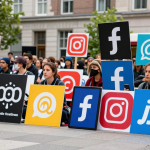

I’ve spent years watching how digital showcase platforms quietly rewrite the rules of status. It isn’t just follower counts anymore; it’s the subtle architecture of algorithmic visibility that decides who gets heard and who gets silenced. A micro-influencer with a niche audience can outrank a corporate giant simply because the platform rewards raw engagement over polished production. I’ve seen small brands leverage trending audio to break into markets that traditionally required six-figure ad spends. The hidden force here is attention economy geometry, where a single viral moment can catapult an unknown voice into the upper echelons of cultural capital overnight. It’s a ruthless meritocracy, but one dictated by code, not charisma alone. The implications for traditional power structures are profound and often invisible to the casual observer.
Digital Showcase Architecture and the Architecture of Social Standing
The architecture of digital showcase platforms functions less as a neutral vessel and more as a structured hierarchy that silently codifies status. Algorithmic feeds prioritize content that generates high-velocity engagement, rewarding performative visibility over substantive contribution. This creates a feedback loop where users modify their output to suit the platform’s bias, effectively gamifying social capital. The interface design, from infinite scroll mechanisms to notification prompts, is engineered to maximize dwell time, subtly nudging participants into constant self-presentation. Consequently, the perceived value of an individual often correlates directly with their ability to navigate these invisible architectural constraints, turning everyday interaction into a curated performance metric.
Beyond the user experience, the underlying data infrastructure dictates who gains visibility and who remains obscured. Proprietary recommendation engines favor established accounts, reinforcing existing power structures while marginalizing newcomers. This algorithmic gatekeeping means that organic reach is rarely distributed evenly; a post from a verified account might achieve exponential visibility, whereas an identical contribution from an unknown user might vanish into obscurity. The spatial logic of these platforms, where “likes” and “followers” serve as quantifiable proxies for worth, transforms social standing into a measurable commodity. Users internalize this logic, curating personas that align with the platform’s reward structures, thereby solidifying a digital caste system that mirrors, and often amplifies, offline inequities.
Algorithmic Gatekeeping: The Invisible Hand of Platform Hierarchies
digital gatekeeping has quietly replaced traditional social signals as the primary filter for who gets to be seen. Algorithms on major platforms decide visibility in milliseconds, weighing engagement metrics against user profiles to create invisible tiers of influence. A creator with a niche but dedicated audience might receive less reach than someone posting generic viral content, simply because the system prioritizes broad appeal over depth. This mechanism mirrors old social exclusivity but operates at a scale that makes it nearly impossible to audit. Users often mistake low engagement for lack of talent, failing to recognize the structural bias embedded in the recommendation engine.
The data trails we leave behind form a permanent digital showcase that platforms monetize and rank. Every like, share, and dwell time contributes to a profile that determines which networks you are introduced to. Professionals find their career opportunities narrowed by LinkedIn’s ranking system, which favors certain industry keywords and connection patterns over raw competence. Meanwhile, casual users are funneled into echo chambers that reinforce existing status markers rather than challenging them. The result is a fragmented social web where visibility is a commodity traded for attention, not merit.
Understanding these hidden mechanics reveals why modern social mobility feels so erratic and opaque. You cannot simply work harder to climb the hierarchy when the ladder itself is moving based on invisible code. Recognizing that your digital footprint is being parsed for market value helps explain sudden spikes or drops in social relevance. This awareness shifts the focus from self-doubt to strategic navigation of platform rules. Ultimately, the most powerful tool you have is the ability to read the algorithm’s logic and adjust your presence accordingly.
Performative Authenticity and the Currency of Social Validation
The architecture of contemporary status often collapses under the weight of curated self-presentation, where digital showcase becomes the primary metric of worth. Algorithms amplify content that triggers immediate engagement, rewarding outrage or aesthetic perfection over substantive contribution, creating a feedback loop that prioritizes visibility over value. A user might post a meticulously staged lifestyle image, garnering thousands of likes, while a nuanced critique of systemic issues garners silence, reinforcing the notion that popularity equates to credibility. This dynamic incentivizes the production of “content” rather than “thought,” as the metrics of success are quantifiable and immediate, unlike the slow, messy process of genuine discourse. The pressure to maintain a consistent online persona can erode authentic self-expression, as individuals internalize the expectations of their follower base, shaping their identities to fit the algorithm’s demands rather than their own values. Consequently, the currency of social validation becomes volatile, subject to the whims of trends and platform changes, leaving many feeling perpetually inadequate despite their offline achievements.
Moreover, the economics of attention have restructured social hierarchies into rigid pyramids built on fleeting metrics. Influencers with modest follower counts but high engagement rates often command more brand partnerships than traditional authorities with established expertise, illustrating a shift toward perceived relatability over actual authority. This phenomenon creates a paradox where individuals with significant real-world impact find themselves marginalized in favor of those who master the art of the performative post. The resulting hierarchy is not based on merit or contribution, but on the ability to manipulate perception, crafting a persona that feels authentic while remaining carefully constructed. As a result, the gap between public image and private reality widens, fostering a culture of suspicion where followers question the genuineness of every interaction. This erosion of trust extends beyond the individual, impacting how communities evaluate legitimacy and expertise in an era where the loudest voice often drowns out the most qualified one.
The Economy of Attention in Fragmented Community Structures
In the current digital showcase, attention has become the primary currency, yet its distribution is anything but equitable. Communities that once shared a common physical space now exist as overlapping digital microcosms, each demanding a slice of the user’s limited focus. This fragmentation creates a zero-sum game where visibility is earned through relentless posting, algorithmic optimization, and the cultivation of performative outrage. A user might spend hours curating a perfect feed for one platform, only to find their engagement metrics stagnant when they switch to another, because the norms of interaction, the humor, and the expected response times differ wildly. The result is a constant state of cognitive overload, where the individual is forced to navigate a labyrinth of unwritten rules just to be seen. This dilution of focus means that truly substantive conversations are often drowned out by the sheer volume of noise, forcing participants to prioritize speed over depth, and spectacle over substance.
The mechanics of this attention economy are further complicated by the rise of algorithmic curation, which dictates who gets heard and who fades into silence. Platforms designed to maximize dwell time often prioritize content that elicits strong emotional reactions, whether outrage, joy, or controversy, over content that fosters genuine connection or intellectual growth. This bias rewards the loudest voices, those willing to simplify complex issues into bite-sized, shareable nuggets, while marginalizing the quiet experts and thoughtful dissenters. Consequently, hierarchies shift not based on merit or expertise, but on the ability to perform within the platform’s constraints. The cost of entry rises as users feel pressured to constantly produce, like, and comment, transforming social interaction into a transactional labor where one’s worth is measured in likes and shares rather than meaningful contribution.
Moreover, the fragmentation of these structures leads to the emergence of echo chambers, where users retreat into communities that validate their existing beliefs, further fragmenting the shared reality. In these insular groups, attention is lavished on content that reinforces group identity, creating a feedback loop that radicalizes discourse and deepens societal divides. The economy of attention here is not just about visibility; it is about belonging. Those who cannot or will not perform the specific rituals of the group, its inside jokes, its linguistic codes, its moral imperatives, are swiftly ejected, left adrift in a sea of digital strangers. This dynamic ensures that the hierarchies within these communities are rigid and unforgiving, rewarding conformity and punishing deviation, ultimately shaping who holds power and who is silenced in the modern social order.
Rituals of Exclusion and the Maintenance of Elite Circles
Elite groups have long relied on subtle social rituals to reinforce boundaries between insiders and outsiders, often without explicit rules. These mechanisms include invitation-only events where attendance signals status, proprietary language that assumes shared cultural codes, and selective access to resources that reward loyalty. For instance, high-end networking clubs frequently use waitlists lasting several years to create artificial scarcity, ensuring that admission remains a rare achievement. The psychological effect of these barriers is significant, as members internalize their privilege through repeated exposure to exclusive spaces and peer validation. This process strengthens group cohesion while simultaneously alienating those who lack the necessary social capital or financial means to participate in such circles.

Digital platforms have transformed these traditional rituals into virtual equivalents that operate with similar exclusionary logic. Online communities now use gated content, verified badges, and algorithmic curation to segment audiences by perceived value or status. A digital showcase, for example, might restrict access to premium analytics tools or exclusive peer reviews, creating a tiered experience that mirrors offline hierarchies. The data collected from user interactions within these platforms feeds back into recommendation engines, subtly guiding members toward connections and content that align with existing elite norms. This technological layer adds a new dimension to social stratification, where visibility and influence are quantified through metrics like engagement scores or follower counts rather than solely through personal reputation.
The maintenance of these circles depends heavily on the continuous reproduction of cultural knowledge and social norms among members. New entrants must often undergo a period of adaptation, learning unspoken rules about behavior, communication styles, and acceptable topics of conversation. Failure to demonstrate this fluency can result in quiet marginalization within the group, even if formal membership has been granted. Elite circles also benefit from the concept of symbolic capital, where cultural achievements and educational backgrounds serve as proxies for social worth. This dynamic ensures that hierarchy remains stable across generations, as families actively invest in cultivating the traits and credentials that their children will need to access and maintain their privileged positions within these structured networks.
Navigating Status Mobility in a Digitally-Mediated Society
The architecture of digital platforms has fundamentally rewritten the scripts of class performance, transforming private consumption into a public metric of worth. Algorithmic feeds prioritize aesthetic polish over substantive achievement, incentivizing users to curate hyperreal versions of their lives that signal disposable income rather than earned expertise. This shift creates a paradox where authentic labor is undervalued while performative wealth accumulates likes and followers, reshaping perceived hierarchies overnight. A recent Pew Research study found that 62% of adults believe social media makes it easier to compare their lives to others, yet 48% admit it makes them feel inadequate, illustrating how visibility functions as a double-edged sword in the quest for upward mobility. The pressure to maintain a constant online presence often forces individuals into performative spending, sacrificing long-term financial stability for short-term social capital. Consequently, the boundary between genuine advancement and superficial posturing blurs, leaving many to navigate a landscape where reputation is measured in metrics rather than merit.
Mobile technology has accelerated the velocity of status exchange, compressing what once took generations into mere months of viral attention. Influencer economies reward consistency and engagement over traditional qualifications, allowing a twenty-something with a polished feed to command rates previously reserved for established professionals. This democratization of voice, however, comes with a steep price: the erosion of privacy and the commodification of personal narratives. Users routinely trade intimate details for algorithmic boosts, believing that vulnerability equates to authenticity in a marketplace that prizes the curated over the real. The result is a feedback loop where genuine struggles are mined for content, and resilience is packaged as a sellable story. For those without access to the right tools or aesthetic sensibilities, the digital gatekeepers enforce a new form of exclusion, proving that while the stage is larger, the seats remain unevenly distributed.

I’ve always been fascinated by how ideas shape societies and how everyday interactions reflect deeper philosophical currents. As an editor, I love curating thoughtful pieces that explore the intersection of community life and philosophical inquiry.