

Societies often treat their past as a fixed archive, yet that archive is constantly rewritten by those in power. The way a nation recalls its defining moments determines not only who it considers itself to be, but also what it believes it can become. When shared recollection becomes rigid, it can act as a straitjacket, limiting the imagination of what is possible. Conversely, a flexible approach to remembering can open space for innovation and reconciliation. The tension between using history as a compass and using it as a cage is at the heart of any discussion about collective memory and national identity.
The Architecture of Shared Recollection
Every nation builds its sense of self upon a foundation of stories, symbols, and silences. These elements are not neutral; they are curated by educational systems, media representations, and political rhetoric. The selection of which heroes are celebrated and which traumas are foregrounded creates a mental map that guides citizen behavior. When a society repeatedly recounts a narrative of victimhood or triumph, it reinforces specific emotional responses that can either motivate progress or foster stagnation. The architecture of shared recollection is thus a living construct, subject to revision whenever new generations question the inherited scripts.
Consider how post-conflict societies often grapple with competing versions of events. In some contexts, official histories emphasize unity and sacrifice, while grassroots accounts highlight division and suffering. This dissonance can create a psychological gap between the state-sanctioned past and the lived experience of ordinary people. When the gap widens, trust in institutions erodes, and the collective memory becomes a tool for manipulation rather than a source of cohesion. The integrity of national identity hinges on the ability to hold multiple perspectives without collapsing into relativism.
Rituals and the Reinforcement of Narrative
Public rituals, holidays, commemorations, and national ceremonies, serve as the primary mechanisms for transmitting collective memory across generations. These events are designed to evoke specific emotions and reinforce a shared sense of belonging. The timing, location, and framing of such rituals can shift the focus of memory from celebration to reflection, or vice versa. For instance, a annual remembrance that centers on loss may cultivate a culture of caution, while one that emphasizes triumph may encourage risk-taking. The deliberate choice of what to honor and what to overlook shapes the trajectory of societal values.
Moreover, the medium through which these rituals are performed influences their impact. Digital platforms now allow for the rapid dissemination of alternative narratives, challenging the dominance of traditional commemorations. Social media can amplify marginalized voices, forcing a re-evaluation of what is considered essential to remember. This democratization of memory means that no single entity holds a monopoly on the national story, leading to a more contested but potentially richer understanding of the past.
The Role of Trauma in Shaping Futures
Traumatic events, wars, coups, systemic oppression, leave indelible marks on the collective psyche. How a society processes these events determines whether they become a source of resilience or a barrier to forward motion. In some cases, a shared trauma can unite a population against a common adversary, forging a strong sense of national purpose. In other instances, the weight of unprocessed grief can paralyze decision-making, leading to a conservatism that prioritizes safety over progress. The psychological impact of trauma is not uniform; it is filtered through class, gender, and geographic lenses.
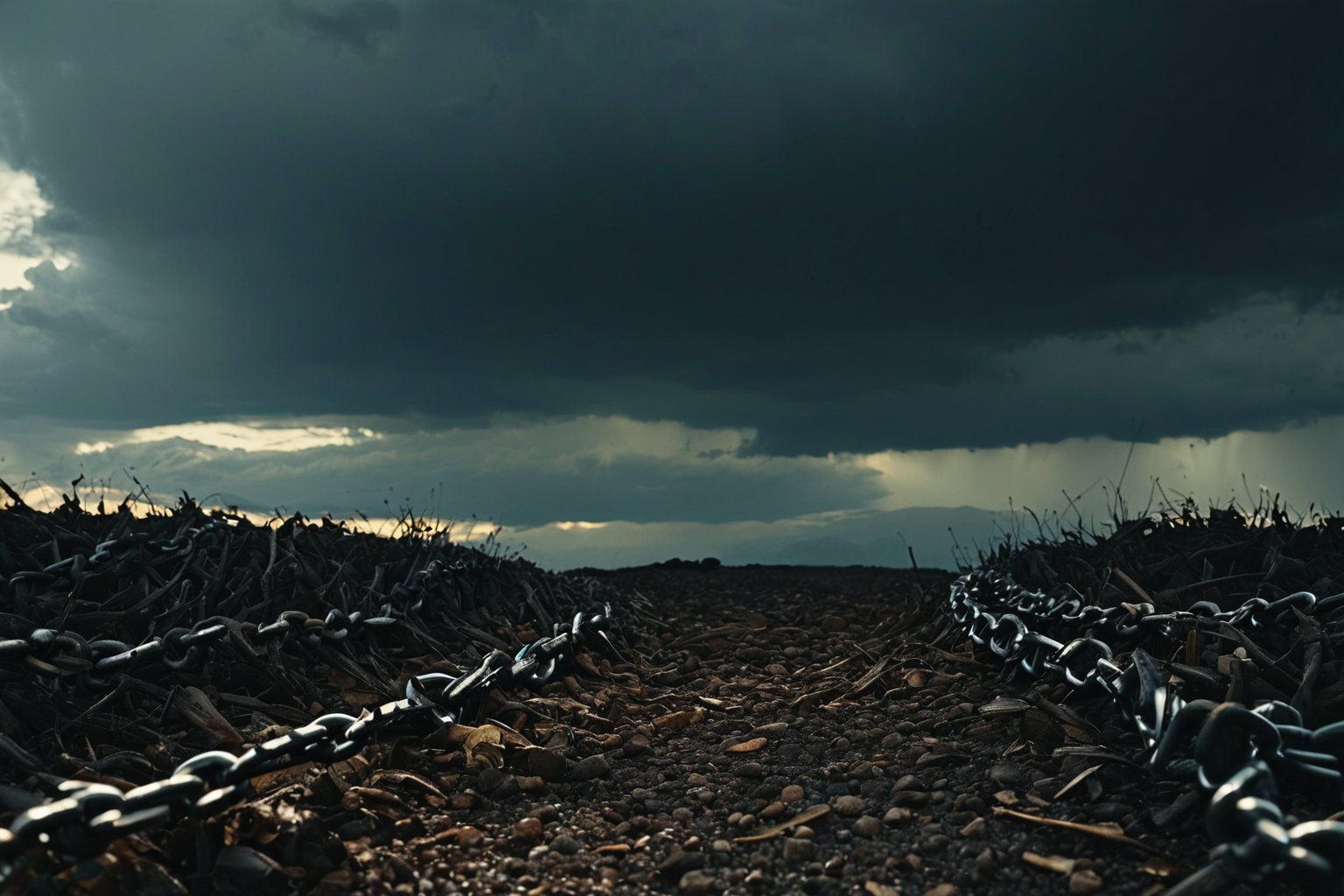
The management of trauma often involves a choice between confrontation and avoidance. Societies that choose to openly address past injustices through truth commissions or public apologies may experience a cleansing effect that allows for new political arrangements. Those that opt for silence or revisionism may find that the suppressed memory resurfaces in more destructive forms, such as insurgency or social unrest. The path chosen reflects the nation’s willingness to reconcile with its own history, and this reconciliation is a prerequisite for a future that is not shackled by the past.
Education as a Site of Memory Contestation
School curricula are perhaps the most potent arena for the transmission of collective memory. Textbooks serve as the first point of contact for children with the national narrative, and their contents can either reinforce existing prejudices or challenge them. The inclusion or exclusion of certain historical figures, events, and interpretations shapes the moral framework through which young people view their place in the world. When education systems prioritize critical thinking over rote memorization, students are better equipped to interrogate the stories they inherit.
However, the politicization of education often results in a sanitized version of history that serves the interests of the ruling power. This can lead to a generation that is unaware of the complexities of their nation’s past, making them susceptible to propaganda. Conversely, an education system that encourages debate and diverse perspectives can foster a more nuanced collective memory. The challenge lies in balancing the need for a shared civic identity with the necessity of historical honesty. When this balance is tipped, the nation risks either erasing its complexities or becoming paralyzed by them.
Memory, Politics, and the Construction of Boundaries
Political actors frequently exploit collective memory to legitimize their authority or justify policy decisions. By framing current events as continuations of historical struggles, leaders can rally support for measures that might otherwise be unpopular. This tactic is evident in the use of historical analogies to garner public backing for military action or economic reforms. The construction of boundaries, who is “in” and who is “out”, is often predicated on a selective reading of the past. Such memory-based boundary-making can entrench divisions and hinder the formation of inclusive national identities.
The politicization of memory also has international ramifications. Disputes over historical interpretation can strain diplomatic relations between nations, as seen in conflicts over colonial legacies or wartime atrocities. These disputes often transcend the specific events in question, touching on deeper issues of power, accountability, and recognition. When memory is wielded as a geopolitical tool, the potential for genuine reconciliation diminishes, and the prospect of a shared future becomes increasingly remote. The health of a nation’s future is thus intertwined with how honestly it engages with its past on the global stage.
The Possibility of Memory Reformation
Despite the powerful hold that entrenched memories can have, history offers examples of societies that have successfully reoriented their collective consciousness. Truth and reconciliation processes, when genuinely implemented, can dismantle monopolistic narratives and make room for healing. Art, literature, and public history projects can also serve as vehicles for reimagining the past in ways that empower rather than constrain. The key is a societal willingness to question the legitimacy of the inherited story and to embrace a more complex, inclusive version of national identity.

Reforming collective memory is not an erasure of history, but a recontextualization of it. It involves acknowledging the pain and triumphs of all groups within a nation, not just those that have traditionally been centered. This process can be uncomfortable and met with resistance, but it is often a necessary step toward a more cohesive and forward-looking society. When a nation chooses to evolve its memory, it opens the door to a future defined by possibility rather than repetition.
I’ve always been fascinated by how ideas shape societies and how everyday interactions reflect deeper philosophical currents. As an editor, I love curating thoughtful pieces that explore the intersection of community life and philosophical inquiry.