The spread of low-density housing, strip malls, and fragmented infrastructure across once-contiguous urban centers has become a defining feature of modern life, reshaping how people interact, perceive belonging, and even think about their own identities. The urban sprawl effects on society stretch far beyond mere physical expansion, they erode the organic rhythms of community, redefine social hierarchies, and force individuals to negotiate new forms of isolation within constant proximity. What was once a pragmatic response to population growth has evolved into a social experiment with unpredictable consequences, where the very design of space dictates the terms of human connection. This isn’t just about traffic congestion or rising housing costs; it’s about the quiet erosion of the shared experiences that once bound people together in ways both visible and invisible. The question isn’t whether sprawl is inevitable, but how it’s quietly rewriting the rules of what it means to be part of a society, and what we might lose in the process.
The Silent Architecture of Loneliness: How Sprawl Disassembles Shared Spaces
The most insidious urban sprawl effects on society aren’t the highways or the commutes, but the way sprawl systematically dismantles the unplanned, unstructured interactions that historically formed the backbone of community. In pre-sprawl cities, a person might pass three neighbors on their morning walk, stop to chat at the corner bodega, or overhear gossip at the local laundromat, these were the moments where trust and reciprocity built slowly, over time. Today, the average American lives in a neighborhood where fewer than half their household members know their next-door neighbors by name, according to a 2019 Pew Research study. The sprawling suburb replaces these organic touchpoints with curated, transactional encounters: the drive-thru coffee, the solo gym session, the Zoom happy hour. Even public spaces like parks become fragmented, with sprawl’s low-density design ensuring that no single location is ever the place where people naturally converge. The result isn’t just physical separation; it’s a psychological one, where the absence of shared physical anchors makes it easier to treat others as strangers, even in close quarters.
The loss of these shared spaces isn’t just a matter of convenience, it’s a loss of what sociologists call third places, those neutral ground where people from different backgrounds interact without the constraints of home or work. In sprawling cities, third places either disappear or become corporate-owned retreats like Starbucks or Apple Stores, where the interaction is mediated by brand loyalty rather than local history. A 2017 study in American Behavioral Scientist found that communities with higher sprawl indices reported significantly lower levels of civic engagement, not because people were less interested in politics, but because the physical infrastructure no longer facilitated the casual, repeated interactions that build trust. When the library, the barbershop, and the community garden are all replaced by identical big-box stores, the very idea of a shared cultural memory becomes harder to sustain. The sprawl effect here isn’t just about loneliness, it’s about the slow atrophy of the collective imagination.
The Commodified Neighbor: How Sprawl Turns Relationships Into Transactions
Sprawl doesn’t just separate people physically; it redefines the terms of their relationships, turning them into a series of calculated exchanges rather than organic bonds. In traditional urban or rural settings, neighborliness was often a byproduct of mutual dependence, help with childcare, shared tools, or even just a listening ear during a crisis. But in sprawling developments, where homes are designed for maximum privacy and parking, the expectation shifts from reciprocity to transaction. A 2020 Harvard study on suburban life found that residents in low-density areas were more likely to describe their relationships with neighbors as “transactional” (e.g., “I help you mow your lawn if you water my plants”) rather than relational (e.g., “We’ve had each other’s backs through three divorces”). The sprawl effect here is to treat human connection as a service to be rendered on demand, rather than a shared responsibility. Even community events in sprawling suburbs often feel performative, organized by homeowners’ associations with strict agendas, where the goal is to maintain a veneer of neighborliness without ever risking the vulnerability of true intimacy.
The commodification of relationships extends beyond the neighborhood. In sprawling cities, social interactions are increasingly monetized through services like Uber, DoorDash, and even dating apps, which replace face-to-face encounters with algorithmically curated connections. A 2019 report by the Brookings Institution noted that the rise of gig economy work, deliveries, rideshares, freelancing, has further eroded the sense of shared labor that historically bound communities together. When your primary interactions are with people you pay, rather than people who pay you back in time or trust, the sprawl effect is to normalize a world where human value is measured in transactions rather than relationships. This isn’t just a matter of convenience; it’s a philosophical shift, one where the sprawling city becomes a laboratory for testing how little connection we truly need to function. The question is whether we’ll notice when we’ve traded depth for efficiency.
The Rise of the “Parallel Lives”: How Sprawl Creates Social Echo Chambers
One of the most underdiscussed urban sprawl effects on society is how sprawl forces people into parallel lives, where their daily experiences bear little resemblance to those of their neighbors, even those living just miles away. In a compact city, a person’s commute might take them through diverse neighborhoods, exposing them to different cultures, incomes, and lifestyles. But in sprawling suburbs, where homes are clustered by income, ethnicity, or lifestyle, residents often live in what sociologists call social silos. A 2018 study in Social Forces found that in low-density areas, the likelihood of crossing paths with someone from a different socioeconomic background dropped by nearly 40%. The sprawl effect here isn’t just segregation, it’s the creation of entirely separate social universes, where people develop their own norms, slang, and even moral frameworks without ever encountering a challenge to them. When your grocery store, your church, and your kids’ school all serve the same demographic, the sprawling city becomes a place where diversity is optional, not inevitable.
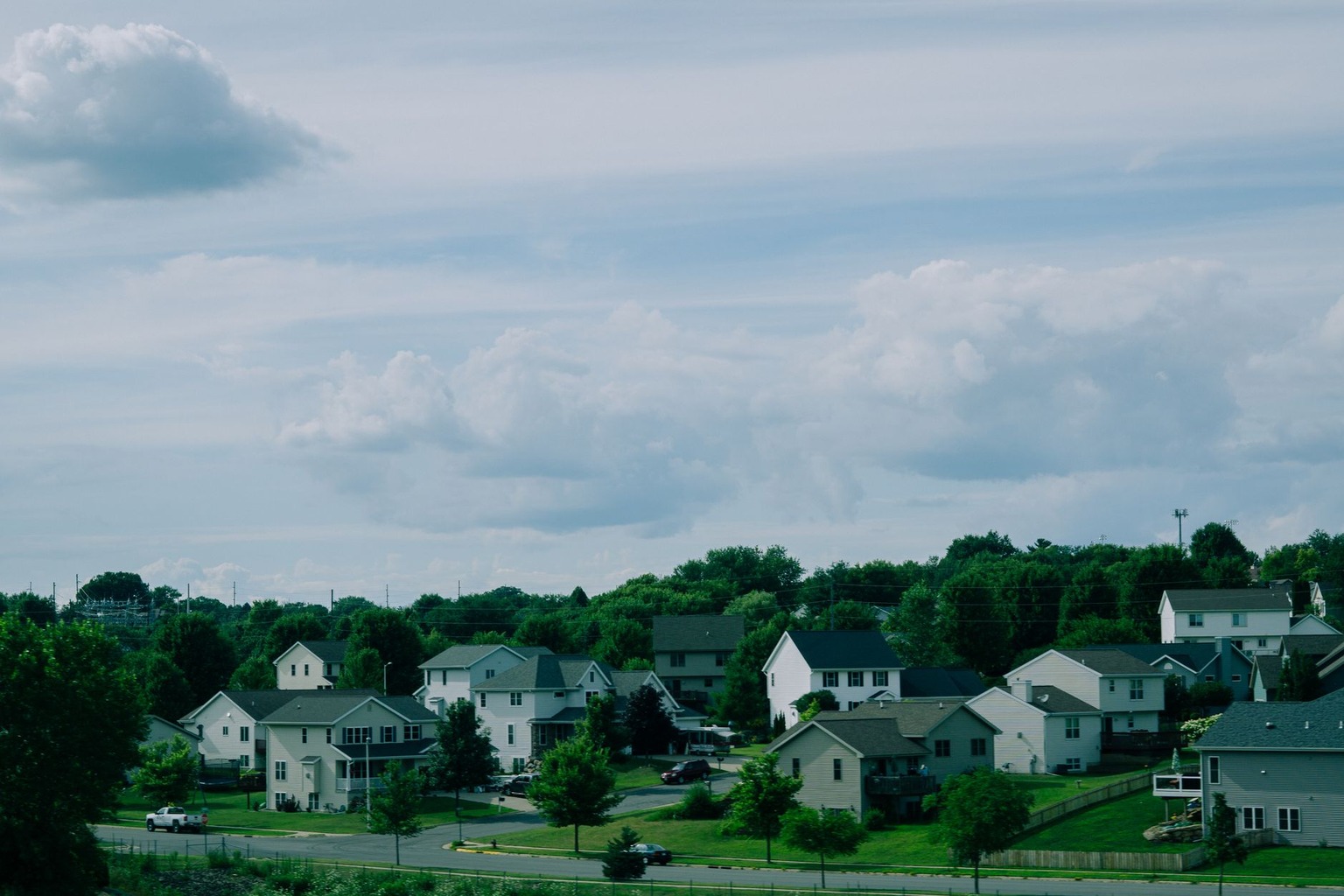
The parallel lives enabled by sprawl extend beyond race and class to include political and cultural identities. In areas with high sprawl indices, residents are more likely to live in “echo chambers” where their news sources, political leanings, and even parenting styles align perfectly with their neighbors’. A 2021 PNAS study found that people in sprawling suburbs were significantly less likely to engage in “bridge-building” conversations with those who held opposing views, because they rarely encountered such views in their daily lives. The sprawl effect here is to make ideological polarization feel inevitable, because the physical design of the city ensures that people only ever interact with those who reinforce their existing worldview. When your social world is a self-replicating loop, the sprawling city becomes a machine for reinforcing identity rather than challenging it, and the cost is a society where compromise feels like betrayal.
The New Nomadism: How Sprawl Redefines Belonging in a World of Temporary Stops
Sprawl doesn’t just separate people from each other; it often separates them from their own sense of place. In traditional communities, belonging was tied to a fixed address, a house, a grave, a place where you’d been for decades. But sprawling suburbs are designed for mobility, where people move every few years to chase better schools, lower taxes, or a quieter street. A 2019 Census Bureau report found that nearly 11% of American households had moved in the past year, a rate significantly higher in sprawling regions. The sprawl effect here is to turn residence into a series of temporary stops rather than a lifelong commitment. When your identity isn’t tied to a place, it’s easier to treat people as temporary fixtures in your life, neighbors who might leave, friends who might relocate, colleagues who are just passing through. The result is a society where loyalty is transactional and roots are optional, because the sprawling city rewards adaptability over attachment.
The nomadic lifestyle enabled by sprawl also reshapes how people form communities. In a compact city, you might join a book club because you live near the meeting spot; in a sprawling suburb, you might join a book club because it’s the only way to meet people who share your interests. A 2020 study in Journal of Community Psychology found that in low-density areas, people were more likely to form communities around activities (gym classes, hobby groups) rather than places (churches, local markets). The sprawl effect here is to make community a matter of choice rather than circumstance, which can be liberating, but also isolating. When your sense of belonging is tied to what you do rather than where you are, the sprawling city becomes a place where people are always on the verge of leaving, because they’ve never really settled in the first place. The question isn’t whether this is sustainable, but what it means for the idea of home.
The Quiet Rebellion: How Some Communities Fight Back Against Sprawl’s Design
Not all sprawl is created equal, and not all communities accept it passively. Some places have deliberately chosen to resist the urban sprawl effects on society by designing spaces that prioritize connection over convenience. Take New Urbanism, a movement that emerged in the 1980s as a direct response to sprawl’s social costs. Cities like Seaside, Florida, and the East Village in Portland, Oregon, have intentionally built walkable, mixed-use neighborhoods where homes, shops, and parks are all within a 10-minute walk. A 2019 study in Landscape and Urban Planning found that these neighborhoods reported higher levels of social trust and civic engagement than traditional suburbs, because their design forced people into repeated, unplanned interactions. The sprawl effect here isn’t inevitable, it’s a choice, and some communities are choosing differently. The key, however, is that these alternatives require intentionality, because sprawl’s design is so deeply embedded in modern infrastructure that resisting it often means rejecting the status quo entirely.
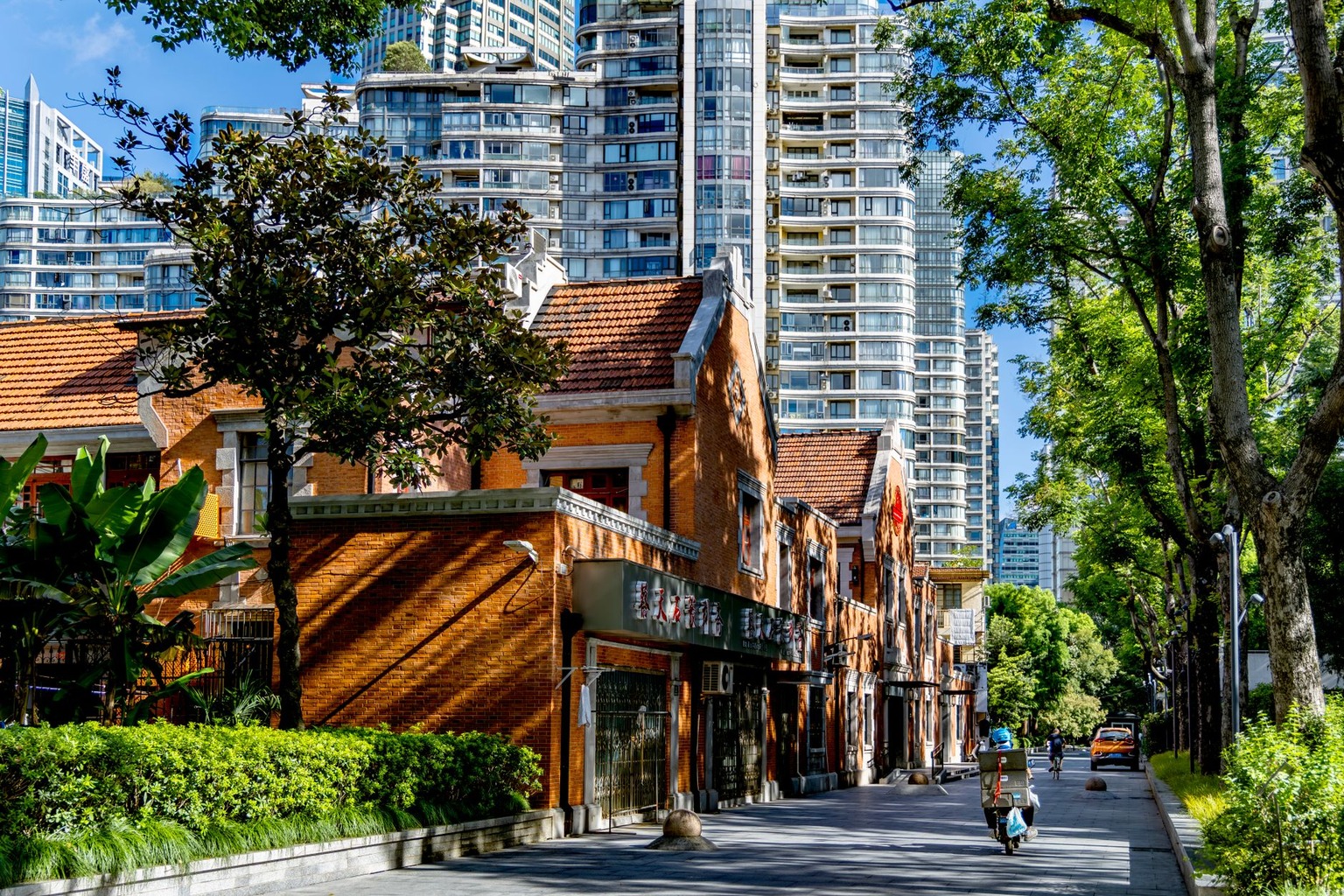
Other communities fight back by repurposing sprawl’s own tools. In places like Detroit’s Midtown or Minneapolis’s North Loop, developers have taken abandoned big-box stores and parking lots and turned them into shared workspaces, co-housing projects, and community gardens. A 2021 report by the Urban Institute found that these “adaptive reuse” projects not only revitalized blighted areas but also created the kind of third places that sprawl had erased. The sprawl effect here isn’t irreversible, it’s adaptable, and some communities are learning to twist it to their advantage. The challenge, though, is that these solutions often require significant political will, because they ask people to invest in places that don’t immediately pay off in property value. The sprawling city’s design isn’t just about roads and zoning codes; it’s about power, and those who hold it are often the ones who benefit most from its spread.
The Unseen Cost: How Sprawl Redefines What We Value as Human
The most profound urban sprawl effects on society may not be the ones we measure in statistics or policy reports, but the ones we internalize as cultural norms. Sprawl teaches us that efficiency is more important than equity, that privacy is more valuable than proximity, that convenience is more sacred than connection. It tells us that it’s acceptable to live in a world where you can see your neighbors’ houses but never their faces, where your biggest achievement is a long commute, and where your greatest fear is not being able to escape. The sprawling city isn’t just a physical space; it’s a moral framework, one that rewards individualism over interdependence, speed over depth, and transaction over trust. The question isn’t whether sprawl is here to stay, it is. The question is whether we’ll recognize the cost of what we’ve gained.
Some argue that sprawl’s social costs are worth the trade-offs: more space, more cars, more choices. But the sprawl effect isn’t just about what we get, it’s about what we lose. It’s the child who grows up never knowing their neighbor’s name, the adult who treats every relationship as temporary, the society that measures success in square footage rather than shared history. It’s the quiet erosion of the idea that we’re all in this together, replaced by the quiet certainty that we’re all just passing through. The sprawling city isn’t just reshaping human behavior, it’s reshaping what we consider human at all. And the most dangerous part? We might not even notice until it’s too late.

I’ve always been fascinated by how ideas shape societies and how everyday interactions reflect deeper philosophical currents. As an editor, I love curating thoughtful pieces that explore the intersection of community life and philosophical inquiry.