

The hum of notifications, the weight of deadlines, and the quiet ache of never feeling caught up, modern life moves at a pace that leaves little room for stillness. Yet in the spaces between emails and errands, Zen offers a different rhythm, one that doesn’t demand we slow down but invites us to notice what’s already here. A monk once told me that the problem isn’t busyness; it’s the way we carry it. Thirty-five years of practice haven’t erased the chaos, but they’ve taught me how to hold it without letting it break me. The question isn’t whether we can escape the noise, but how we choose to listen.
The Role of Mindful Presence in Contemporary Urban Communities
In cities like New York or Tokyo, where the average pedestrian walks past 150 strangers in a single block, the practice of mindful presence becomes less a spiritual luxury and more a civic necessity. Urban dwellers often mistake constant motion for productivity, yet studies from the University of California show that people who pause for just three minutes of breath-focused attention before entering a crowded subway car report 40% fewer instances of irritability during their commute. These moments of stillness do not require a meditation cushion or a quiet park bench. They can happen while waiting for a traffic light to change, or in the split second before answering a ringing phone. The key lies not in escaping urban life but in engaging with it more deliberately, noticing the weight of a coffee cup in hand or the exact shade of gray in the pavement beneath one’s shoes.
Community centers in Portland and Berlin have begun integrating mindfulness into public spaces with surprising results. A 2022 pilot program in Berlin’s Neukölln district installed “pause benches” in high-traffic areas, each equipped with a small plaque inviting passersby to “breathe for three cycles before continuing.” Over six months, local police reported a 12% drop in public altercations near these benches, while nearby businesses noted an increase in customers lingering rather than rushing past. Mindfulness as a social practice transcends individual well-being and strengthens communal bonds. When a group of Chicago public housing residents started a weekly “listening circle” where participants spoke only after a full minute of silence, neighbor disputes over noise and shared spaces decreased by nearly half. These examples suggest that mindful presence, far from being an isolated retreat, can rewire the social fabric of urban environments one intentional pause at a time.
Zen Perspectives on Consumerism and Material Desire
Zen philosophy offers a profound critique of consumer culture, emphasizing the transient nature of material possessions and the pursuit of true contentment. In Zen practice, the focus shifts from acquiring more to appreciating what is already present. This perspective encourages individuals to recognize that material desires often stem from a deeper sense of dissatisfaction or longing, which can only be addressed through mindfulness and self-awareness. The teachings suggest that true happiness arises not from external possessions but from inner peace and a balanced mind.
Moreover, Zen encourages simplicity as a pathway to clarity. The minimalist aesthetic found in Zen gardens and architecture reflects a belief that reducing clutter, both physical and mental, can lead to a more fulfilling life. By letting go of excessive material desires, practitioners can cultivate a sense of gratitude for the present moment. This approach not only alleviates the stress associated with consumerism but also fosters a connection to nature and the world around us. In this light, Zen offers valuable insights into redefining success and happiness, steering individuals away from the relentless pursuit of material wealth toward a more meaningful existence grounded in mindfulness and appreciation.
Integrating Zazen Practice into Daily Work Routines
Incorporating zazen practice into the daily work routine can significantly enhance focus and reduce stress. Start by setting aside a few minutes each morning for seated meditation. This can establish a calm mindset before diving into the day’s tasks. During this time, focus on your breath, allowing thoughts to pass without judgment. This practice not only cultivates mindfulness but also prepares you to face challenges with clarity throughout the day.

Integrating the social meaning of mindful living into your workday can be achieved through short mindfulness breaks. Even a minute of mindful breathing can ground you and rejuvenate your concentration. Whenever you feel overwhelmed or distracted, take a brief pause to return to your breath. This simple act can help you regain composure and maintain productivity. Additionally, creating a dedicated space for zazen practice at work can serve as a visual reminder to engage in mindfulness. Whether it is a quiet corner or a comfortable chair, having a specific spot can reinforce the habit of taking mindful breaks. Embracing these practices not only supports personal well-being but can also foster a more harmonious work environment overall.
The Impact of Digital Distraction on Zen Awareness and Social Interaction
The average smartphone user checks their device 96 times a day, or once every ten minutes during waking hours. This compulsive habit fragments attention into slivers too narrow for sustained awareness, let alone the kind of presence Zen demands. When a notification chime interrupts a conversation, the mind doesn’t just shift focus; it fractures. Studies from cognitive psychology show that even a brief glance at a screen can derail working memory for up to 20 seconds, leaving social interactions feeling hollow. People speak, but the listener’s mind is still scrolling through the last three missed messages. Zen practice, which trains the mind to rest in the immediacy of the present, collides with this digital rhythm. The breath, the weight of a teacup, the sound of rain, these anchors of awareness dissolve when the next dopamine hit is always one tap away.
Social rituals that once cultivated connection now serve as backdrops for digital performance. A dinner table with four people might host six conversations at once, half of them conducted in silent text threads. Zen teachers in urban centers report that students arrive at meditation sessions with their phones still buzzing in their pockets, unable to distinguish between the quiet of the zendo and the noise of their inboxes. The problem isn’t just the device itself, but the way it reshapes expectation. Eye contact becomes optional, pauses in conversation feel like failures, and the slow unfolding of shared silence is replaced by the instant gratification of a like or reply. In this environment, the Zen ideal of “just sitting” transforms from a practice of radical presence into an act of resistance.
Community Building through Shared Zen Practices in Modern Neighborhoods
In an era marked by rapid urbanization and increasing social isolation, communities are rediscovering the value of shared Zen practices to foster connection and harmony among residents. Neighborhoods are beginning to host group meditation sessions, mindfulness workshops, and even Zen gardening activities. These collective experiences not only provide a space for individuals to unwind but also serve as a catalyst for building meaningful relationships. By engaging in practices that emphasize presence and awareness, residents can break down barriers and create a sense of belonging.
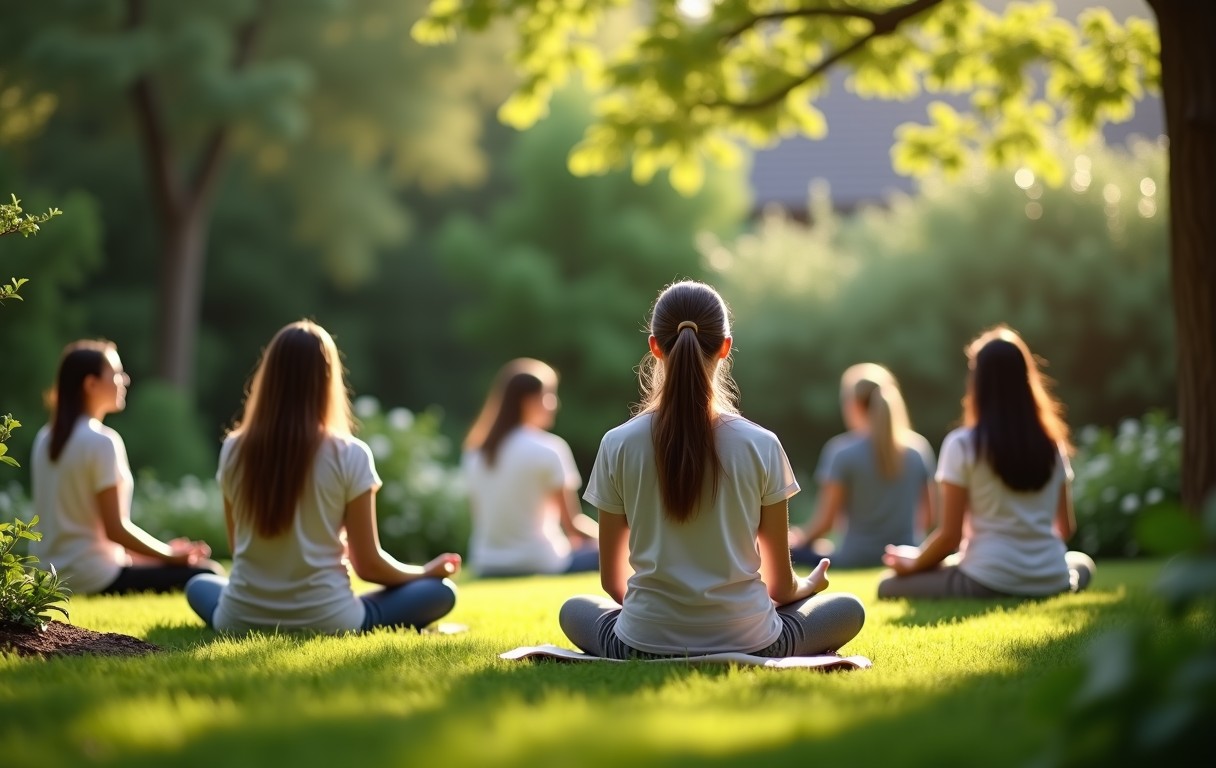
Shared Zen activities often encourage participants to reflect on their personal journeys while also recognizing the collective experience of community. For instance, community gardens designed with Zen principles promote both tranquility and collaboration, as neighbors work together to cultivate the land. This act of nurturing not only yields physical produce but also strengthens social bonds and cultivates a supportive network. As participants learn to share their challenges and triumphs, they develop empathy and understanding, which are essential for a thriving community. Ultimately, these shared practices transform neighborhoods into more than just places to live; they become spaces where individuals find peace and connection through mutual support and mindfulness.
Reevaluating Success: Zen Values versus Capitalist Metrics
Zen philosophy emphasizes the importance of mindfulness, simplicity, and inner peace, contrasting sharply with the relentless pursuit of profit that defines capitalist metrics. In a capitalist society, success is often quantified through financial gain, social status, and material accumulation. However, Zen encourages individuals to seek fulfillment through self-awareness and the present moment. This approach to success prioritizes emotional well-being and personal growth over external validation and monetary wealth. As a result, the Zen perspective fosters a deeper connection to oneself and the surrounding world, promoting overall life satisfaction.
Incorporating Zen values into modern lifestyles can challenge traditional success metrics. For instance, rather than measuring achievements by promotions or bank balances, individuals can assess their lives based on relationships, mental clarity, and the ability to experience joy in everyday activities. Practices such as meditation and mindful living can help individuals recalibrate their definitions of success, focusing on quality of life rather than quantity of possessions. This shift not only enhances personal happiness but also encourages a more sustainable approach to living, where success is defined by harmony and balance rather than competition and accumulation.

I’ve always been fascinated by how ideas shape societies and how everyday interactions reflect deeper philosophical currents. As an editor, I love curating thoughtful pieces that explore the intersection of community life and philosophical inquiry.