

The paradox of choice psychology reveals how modern societies have engineered a system where abundance of options doesn’t liberate us, it enslaves us. When Barbra Streisand famously chose between 24 pairs of jeans in a department store, she didn’t just experience decision fatigue; she demonstrated a fundamental tension in contemporary life where freedom of selection becomes a psychological burden. The more choices we’re given, the harder it becomes to commit, the more we second-guess, and the less satisfied we feel with whatever we ultimately select. This isn’t just about shopping; it’s about how societal structures, from algorithmic recommendations to political platforms, systematically overload our cognitive capacity with the illusion of control while undermining our ability to act decisively.
The Illusion of Freedom in a Hyperchoice Society
The paradox of choice isn’t merely about indecision, it’s about the collapse of agency under the weight of options. In 2000, psychologist Barry Schwartz introduced the concept to highlight how modern capitalism’s obsession with variety creates what he called “the tyranny of choice.” The logic goes that more options should equal more satisfaction, but in reality, it produces what economists call “regret aversion”, the fear that any choice made will be suboptimal compared to the alternatives we didn’t pick. This dynamic isn’t confined to consumerism; it permeates social media algorithms that curate endless feeds, political platforms that flood voters with policy options, and even dating apps that present users with hundreds of potential matches. The paradox reveals that freedom of choice, when unchecked, doesn’t empower, it paralyzes, because our brains weren’t evolutionarily wired to process such volumes of information in real time.
The psychological mechanism at play is rooted in what neuroscientists call “pre-decisional distress.” When faced with too many options, the brain activates the prefrontal cortex excessively, the region responsible for evaluating trade-offs, while simultaneously suppressing the limbic system, the emotional center that helps us trust our gut. This creates a cognitive dissonance where logical analysis and emotional satisfaction become disconnected. Studies show that people who choose from a menu of 24 jams are less likely to make a purchase than those given six options, not because they prefer fewer choices, but because the act of choosing itself becomes an exhausting mental labor. This phenomenon extends beyond personal decisions into collective behavior: in 2016, the UK’s Brexit referendum illustrated how overwhelming choice can lead to mass dissatisfaction, as voters grappled with the complexity of a binary option framed as a binary choice, ignoring the nuanced middle ground that might have offered more stable outcomes.
The Psychological Cost of Overchoice in Decision-Making
The paradox of choice psychology operates on two parallel tracks: the immediate cognitive load of decision-making and the long-term erosion of self-trust. Psychologists note that decision fatigue arises when evaluating countless options, such as those found in popular online slot games, where players must quickly assess risks and rewards. Research from the University of Colorado found that after making a series of choices, people become increasingly likely to default to the first option presented, not because it’s the best, but because their cognitive resources are depleted. This explains why, in high-stakes environments like corporate boardrooms or legislative chambers, the first proposal often dominates discussions, not because it’s objectively superior, but because the decision-makers have already expended too much mental energy weighing alternatives.
The deeper psychological cost emerges in how we perceive our own competence. Every time we’re presented with too many options and fail to make a “perfect” choice, we reinforce the belief that we’re incapable of making good decisions. This self-doubt compounds over time, leading to what social psychologists term “decision avoidance”, a pattern where individuals procrastinate or defer decisions entirely to escape the anxiety of choice. A 2018 study in Psychological Science found that people who frequently experienced decision paralysis were more likely to exhibit symptoms of anxiety and depression, as the constant pressure to choose perfectly eroded their sense of autonomy. This isn’t just a personal failing; it’s a systemic failure of design, where institutions, from social media platforms to government bureaucracies, engineer environments that exploit this vulnerability to maintain control over outcomes.
How Institutions Exploit the Paradox of Choice
The paradox of choice isn’t an abstract psychological quirk, it’s a tool wielded by institutions to manipulate behavior. Algorithmic platforms like Facebook and Instagram thrive on the illusion of infinite choice, but their true purpose isn’t to empower users; it’s to maximize engagement by keeping them endlessly scrolling through curated options. The more choices we’re presented with, the more time we spend evaluating them, and the more data these platforms collect to refine their targeting. This dynamic was exposed during the 2020 U.S. presidential election, where social media companies were accused of using algorithmic choice overload to amplify political polarization by presenting users with an overwhelming array of partisan content, making it nearly impossible to navigate the discourse without becoming entrenched in one side or the other.

Even democratic systems aren’t immune. The European Union’s GDPR regulations aimed to strengthen protección del consumidor by enforcing stricter data consent rules, yet many users still face overwhelming choices when engaging in online activities. The result wasn’t greater transparency, it was decision paralysis. A study by the University of Cambridge found that 80% of users simply clicked “accept all” without reading the terms, not because they were lazy, but because the sheer volume of choices overwhelmed their ability to process the information. This reveals how institutions leverage the paradox of choice to shift responsibility onto individuals, forcing them to navigate complexity while the system itself benefits from their inability to make informed decisions. The paradox, in this sense, becomes a mechanism of control, where the illusion of choice masks the reality of constraint.
The Social Consequences of Overchoice in Collective Decisions
The paradox of choice extends beyond individual behavior into the fabric of social cohesion, creating what political scientists call “collective decision fatigue.” When large groups are forced to navigate complex systems with excessive options, the result isn’t consensus, it’s fragmentation. This was evident during the COVID-19 pandemic, when governments and health organizations struggled to communicate clear guidelines amid a flood of scientific studies, political debates, and media narratives. The more options people were presented with, whether about mask mandates, vaccination protocols, or lockdown policies, the more polarized the public became. A 2021 survey by the Pew Research Center found that Americans who were repeatedly exposed to conflicting information about COVID-19 were twice as likely to experience decision anxiety, leading to higher rates of non-compliance with public health measures.
The social cost of overchoice isn’t just confusion, it’s the erosion of trust in institutions. When people feel that the systems they rely on are designed to overwhelm them rather than serve them, they withdraw their cooperation. This dynamic was observed in the 2018 midterm elections, where voter turnout dropped in states with complex ballot initiatives, as citizens became disillusioned by the sheer number of choices they had to navigate. The paradox reveals that in a society where every decision is framed as a binary or a spectrum of endless gradations, people lose faith in the possibility of meaningful collective action. The result is a paradoxical irony: the more choices we’re given, the less we believe we can collectively shape our future.
The Nuances of the Paradox: When Choice Actually Works
While the paradox of choice is a powerful explanatory tool, it’s not an absolute law, there are contexts where excessive options actually enhance decision-making. The key lies in the nature of the choice itself and the cognitive resources available to the decision-maker. For example, in domains where expertise is required, such as medical diagnostics or financial planning, more options can lead to better outcomes because they allow for deeper analysis. A study in The Journal of Consumer Research found that professionals in high-stakes fields often perform better when given a wider range of data, as their training enables them to filter irrelevant information efficiently. This suggests that the paradox isn’t about the quantity of choices per se, but about the quality of the decision-making environment and the cognitive tools available to navigate it.

Another exception emerges in situations where choice is framed as a collaborative process rather than an individual burden. In participatory design projects, where groups collectively narrow down options through iterative feedback, the paradox recedes. For instance, cities like Barcelona have used “participatory budgeting” to involve residents in allocating municipal funds, but only after first reducing the number of viable projects through public deliberation. This approach mitigates the paradox by distributing the cognitive load across the community, making the decision-making process feel less like a solo burden and more like a shared endeavor. The lesson here is that the paradox of choice is less about the number of options and more about how those options are presented and managed.
The Cultural Shift Needed to Counter the Paradox
The paradox of choice isn’t just a psychological quirk, it’s a symptom of a broader cultural imbalance between freedom and responsibility. To counter it, societies must rethink how they design systems of choice, moving away from the assumption that more options are inherently better. One promising approach is “choice architecture,” a field pioneered by behavioral economist Richard Thaler, which focuses on structuring options in ways that reduce cognitive friction without restricting freedom. For example, default settings, like opting people into organ donation unless they explicitly opt out, can significantly increase participation rates without overwhelming individuals with choices. This principle has been applied in everything from retirement savings plans to healthcare enrollment, demonstrating that thoughtful design can mitigate the paradox while preserving individual agency.
The cultural shift requires acknowledging that not all choices are equal in value. In many modern systems, the default assumption is that more options equal more democracy, but this ignores the reality that some choices are inherently more consequential than others. A 2020 report by the Brookings Institution argued that reducing the number of “meaningful” choices, those that have a real impact on people’s lives, while expanding the range of “lifestyle” choices could alleviate decision fatigue without sacrificing freedom. For instance, instead of overwhelming voters with a dozen ballot initiatives, policymakers could focus on a core set of high-impact decisions while leaving smaller, less consequential choices to individual preference. This approach respects the cognitive limits of human decision-making while still allowing for meaningful participation in the democratic process.
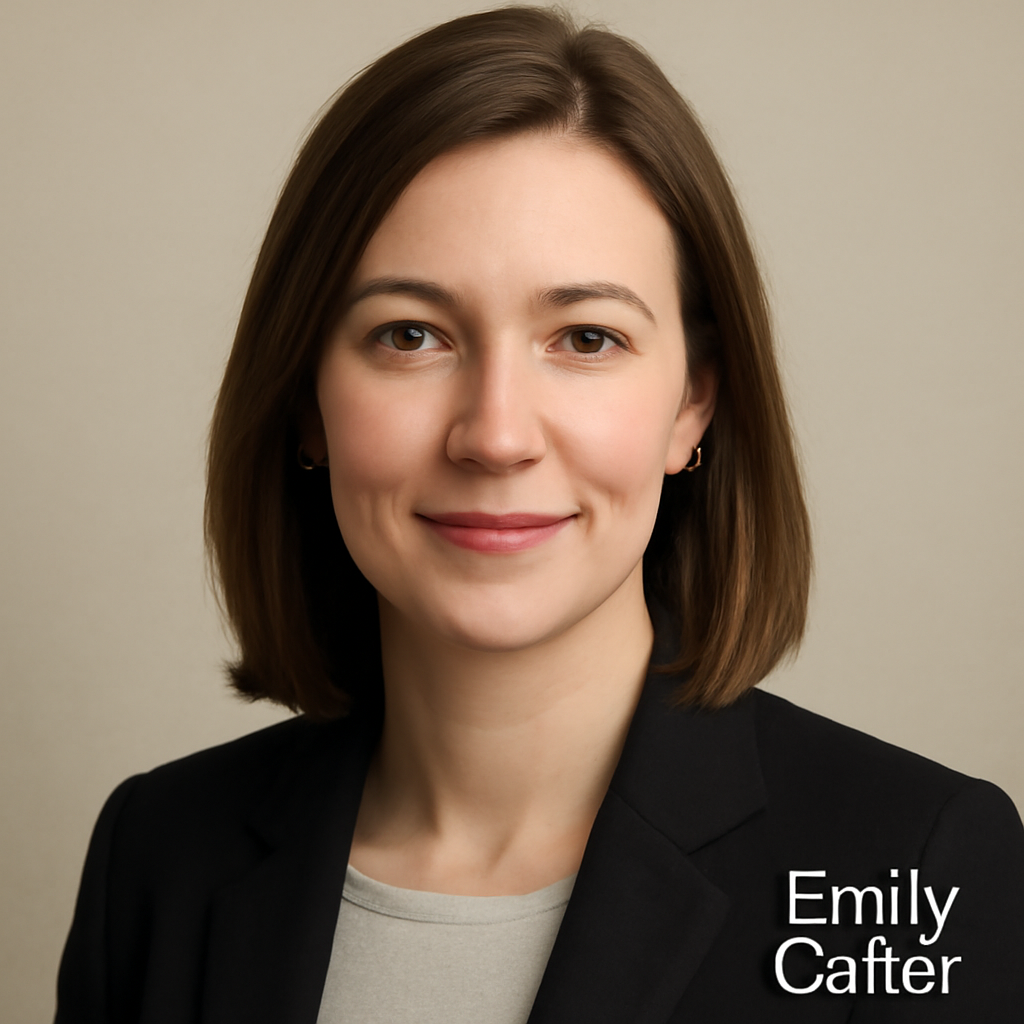
I’ve always been fascinated by how ideas shape societies and how everyday interactions reflect deeper philosophical currents. As an editor, I love curating thoughtful pieces that explore the intersection of community life and philosophical inquiry.