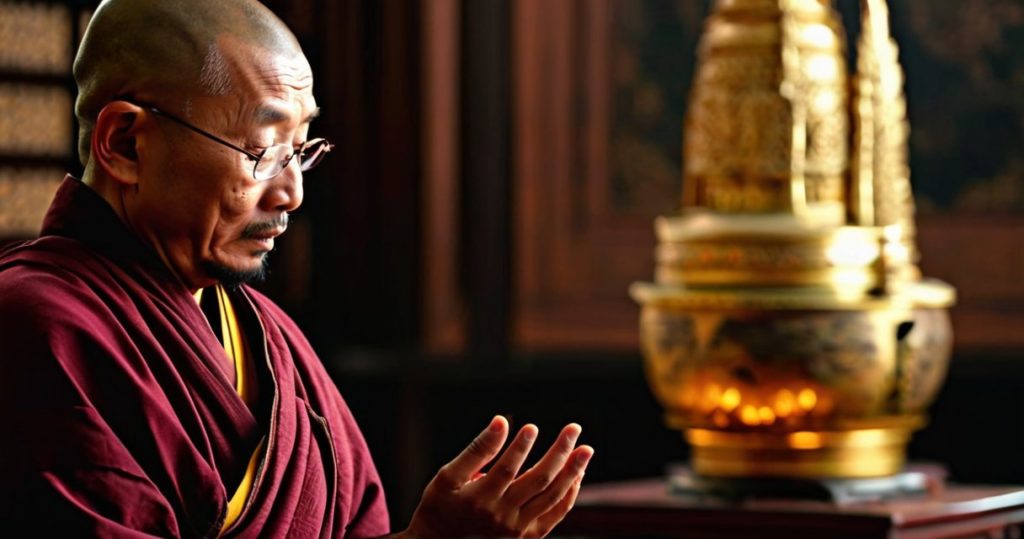
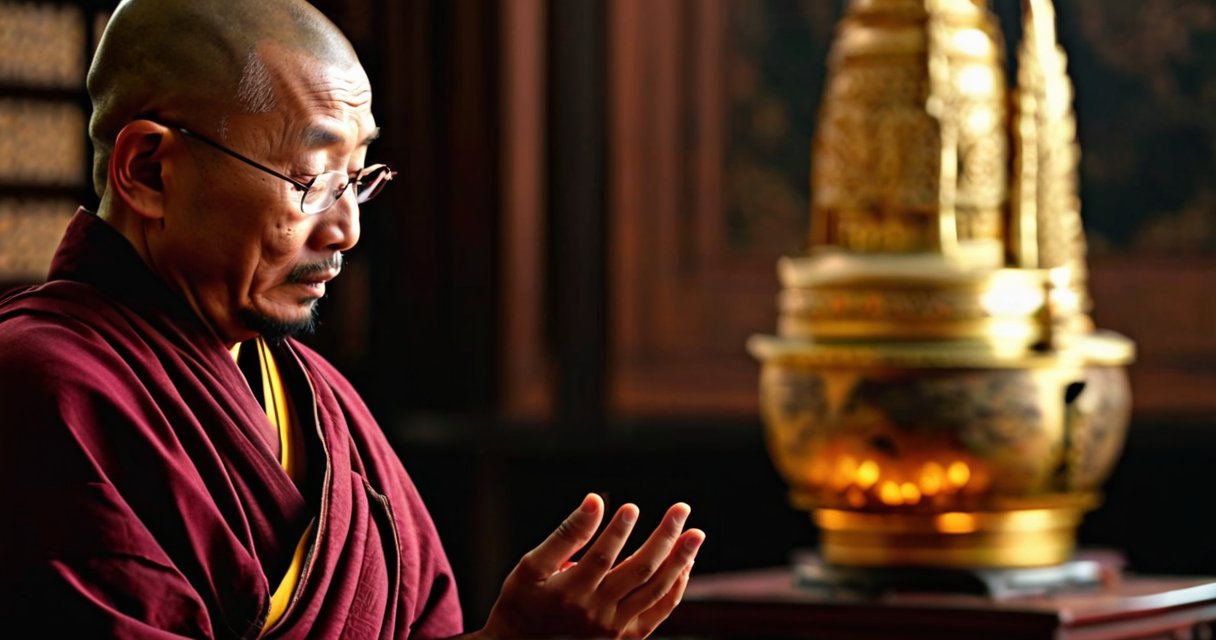
The teachings of Zen Buddhism offer profound insights into the concepts of harmony and diversity, particularly within the context of society, philosophy, and community. These teachings emphasize the importance of a balanced coexistence among various elements of life, including individuals from different backgrounds, beliefs, and practices. By exploring the principles of Zen in relation to harmony and diversity, we can uncover essential factors that drive social cohesion and understanding in an increasingly fragmented world.
The Essence of Harmony in Zen Teachings
Harmony in Zen is not merely the absence of conflict but a dynamic balance that acknowledges the interdependence of all things. This concept is rooted in the understanding that every individual and element contributes uniquely to the whole. In Zen philosophy, harmony is often illustrated through nature, where diverse species coexist, each playing a vital role in maintaining the ecosystem’s balance. This perspective encourages individuals to appreciate their differences while recognizing their interconnectedness, fostering an environment where diversity enriches rather than divides.
Moreover, Zen teachings advocate for mindfulness and presence, which are crucial for cultivating harmony in interpersonal relationships. By being fully present and attentive, individuals can engage with one another authentically, paving the way for deeper understanding and compassion. This mindfulness practice allows for a more harmonious society, one where individuals are more likely to resolve conflicts peacefully and support one another’s growth.
Diversity as a Source of Strength
In Zen, diversity is seen as an essential component of life that should be embraced rather than feared. The diversity of thoughts, cultures, and experiences brings richness to human interactions and societal development. Zen Buddhism teaches that each person’s unique background contributes to the collective wisdom of the community. This principle aligns with the idea that a society that values diversity is better equipped to face challenges and innovate solutions, as it can draw upon a wide range of perspectives and ideas.
Furthermore, diversity encourages individuals to step outside their comfort zones and confront their biases. Zen practices, such as meditation, help individuals cultivate awareness of their thoughts and emotions, promoting a more accepting attitude toward others. By recognizing and valuing the differences in others, individuals can develop empathy and understanding, leading to a more cohesive society that celebrates its diversity.
The Role of Compassion in Fostering Harmony and Diversity
Compassion is a central tenet of Zen Teachings that plays a crucial role in promoting both harmony and diversity, reflecting the influence of Zen on social harmony. It calls for an empathetic response to the suffering of others, encouraging individuals to act with kindness and understanding. In a diverse society, compassion helps bridge gaps between different groups, fostering a sense of belonging and community. When individuals practice compassion, they are more likely to engage in constructive dialogue and collaboration, which are essential for maintaining social harmony.
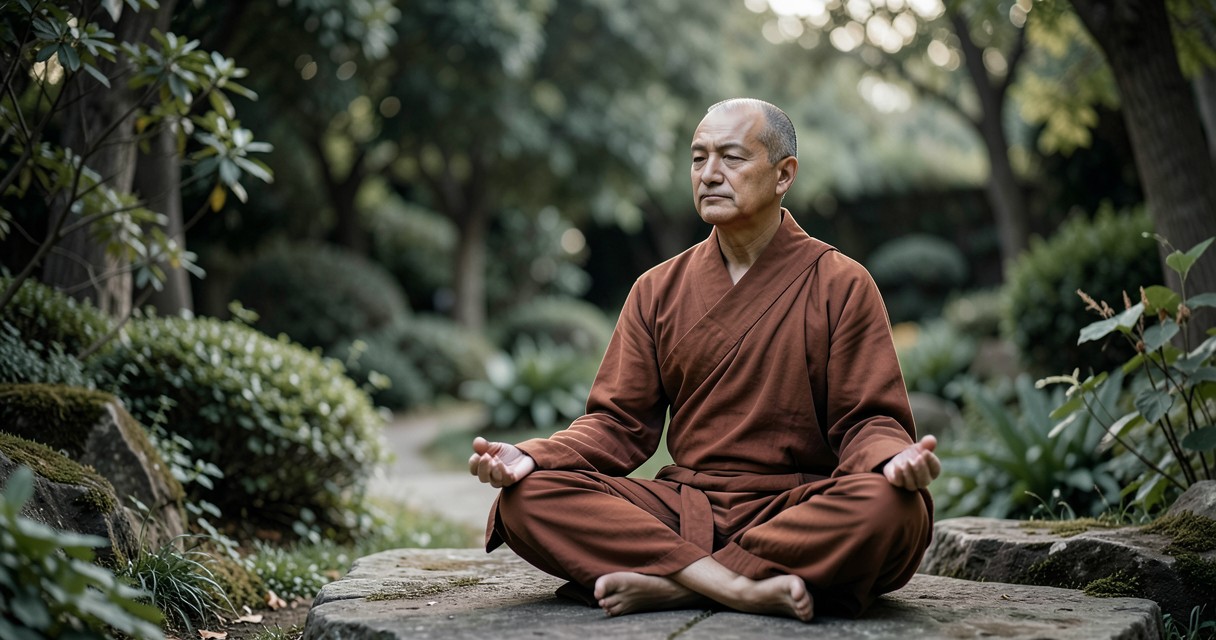
Zen encourages practitioners to see beyond personal differences and recognize the shared humanity in everyone. This perspective not only cultivates a more inclusive environment but also inspires actions that support social justice and equality. As individuals become more attuned to the needs of others, they contribute to a culture of respect and understanding, which is vital for a harmonious society.
Practical Applications of Zen Teachings in Modern Society
Implementing Zen teachings on harmony and diversity in contemporary society requires intentional practices that promote inclusivity and understanding. Community-building initiatives that incorporate mindfulness practices can create spaces where individuals from diverse backgrounds come together to share their experiences and learn from one another. Workshops, dialogues, and collaborative projects can facilitate this exchange, fostering a sense of unity while honoring individual differences.
Additionally, educational institutions can incorporate Zen principles into their curricula, teaching students the value of empathy, respect, and collaboration. By emphasizing the importance of diversity and the skills needed to navigate it, schools can prepare future generations to build harmonious communities. Such initiatives can lead to a more compassionate society where individuals are equipped to embrace diversity positively and constructively.
Challenges and Nuances in Achieving Harmony and Diversity
While the teachings of Zen provide a framework for fostering harmony and diversity, there are challenges and nuances that must be addressed. One significant challenge is the prevalence of systemic inequalities and biases that can hinder the realization of these ideals. Zen practitioners must recognize that simply promoting harmony is insufficient if underlying social injustices are not addressed. This awareness necessitates a commitment to social activism and advocacy alongside personal development.

Moreover, the interpretation of Zen teachings can vary widely among practitioners, leading to potential conflicts in how harmony and diversity are understood and enacted. Some may prioritize individual enlightenment over communal well-being, which can create divisions. It is essential for Zen communities to engage in ongoing dialogue about these interpretations, ensuring that the values of inclusivity and compassion remain central to their practice.
The Future of Harmony and Diversity in Zen Practice
The future of harmony and diversity in Zen practice lies in its ability to adapt and respond to the evolving needs of society. As global challenges such as climate change, social inequality, and political polarization intensify, the principles of Zen can offer guidance on navigating these complexities. By fostering a culture of mindfulness and compassion, Zen practitioners can contribute to building a more harmonious and diverse world.
Furthermore, the integration of technology in Zen practices presents new opportunities for connecting diverse communities. Online meditation sessions, forums, and virtual retreats can facilitate cross-cultural exchanges and promote understanding among practitioners from different backgrounds. By embracing these innovations while remaining grounded in traditional teachings, Zen can continue to be a force for harmony and diversity in an interconnected world.

I’ve always been fascinated by how ideas shape societies and how everyday interactions reflect deeper philosophical currents. As an editor, I love curating thoughtful pieces that explore the intersection of community life and philosophical inquiry.