Understanding Zen’s Role in Fostering Social Harmony
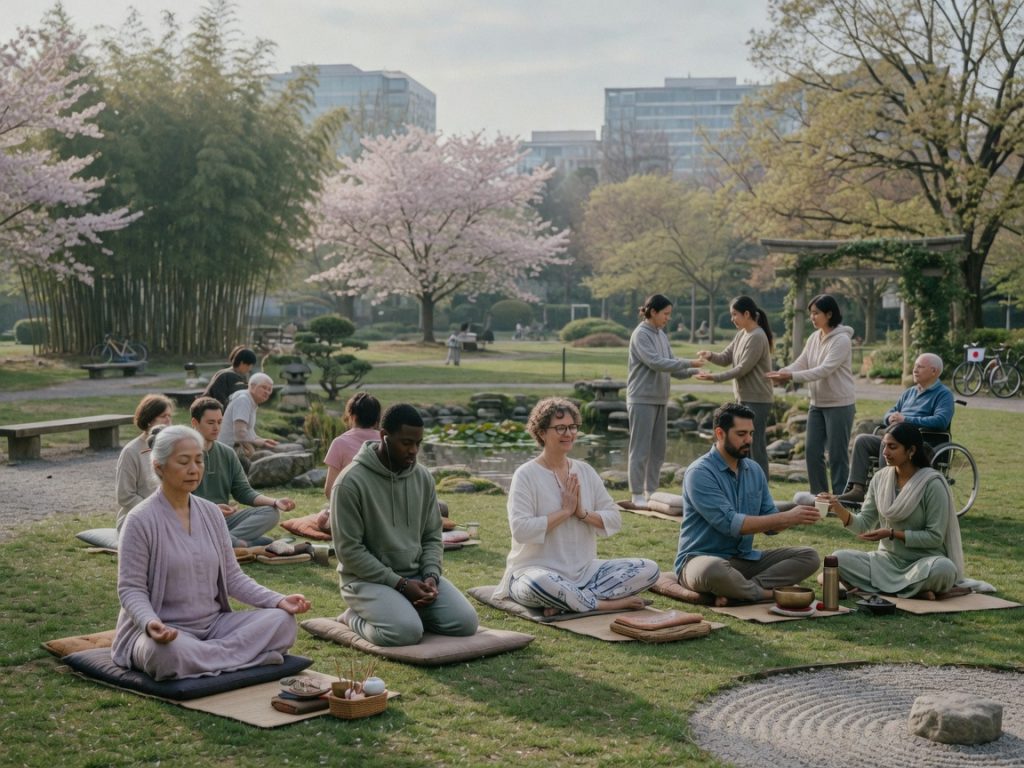
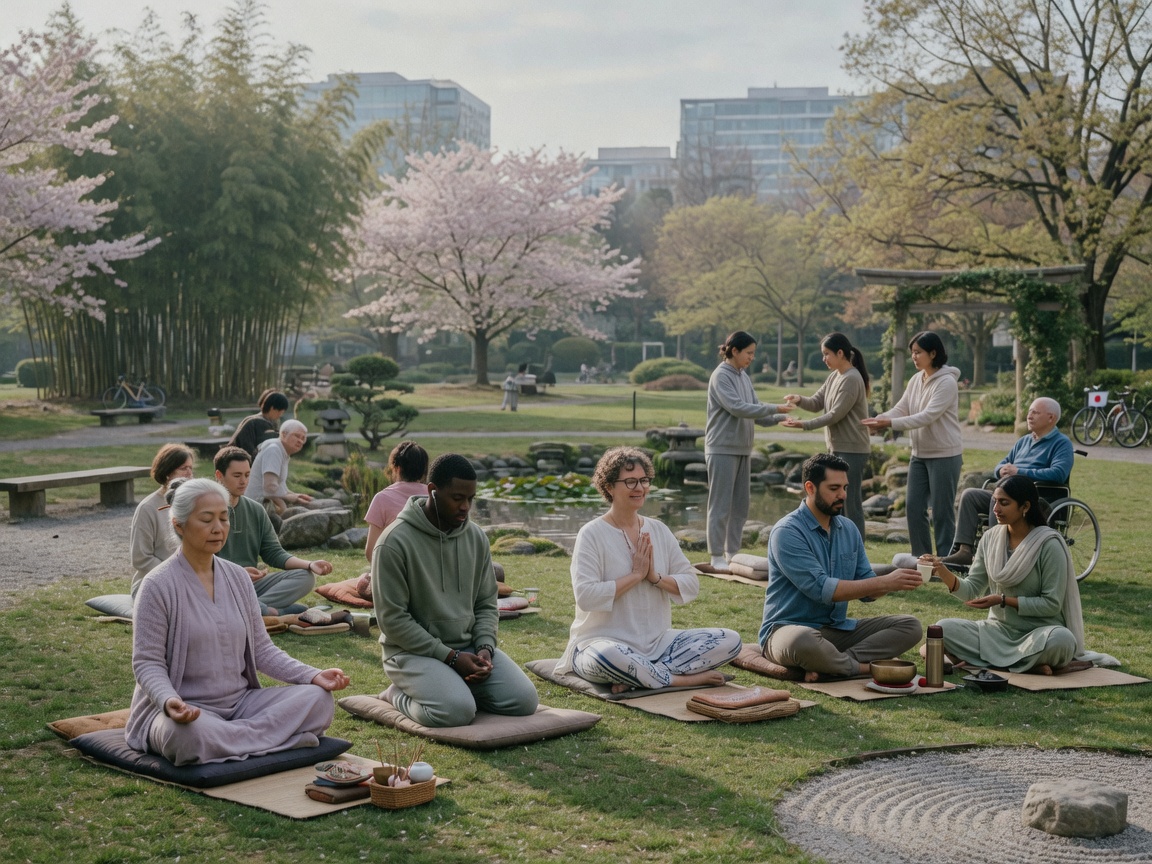
Zen philosophy offers profound insights into achieving social harmony by encouraging a mindset of acceptance and awareness. In various cultures around the world today, from bustling Asian metropolises to diverse Western urban centers, the principles of Zen Buddhism are being adapted to promote peaceful social interactions. This connection is fundamental because it shifts focus from individual desires to collective well-being, fostering environments where cooperation thrives.
Mindfulness practices derived from Zen traditions help individuals navigate complex social dynamics with greater ease. By cultivating presence in the moment, people become more attuned to others’ needs, reducing misunderstandings and enhancing relational bonds. In community settings, such practices lead to improved community well-being as members engage more thoughtfully and compassionately with one another.
The influence of Zen extends beyond personal development into broader societal impacts. In Japan, Zen-inspired aesthetics and ethics have long supported harmonious community life. Similarly, in contemporary global contexts, workshops and retreats teaching Zen principles are gaining popularity for their ability to address issues like social fragmentation and cultural clashes. These initiatives highlight Zen’s ongoing relevance in a rapidly changing world.
Furthermore, integrating Zen philosophy into educational and professional spheres encourages ethical decision-making and conflict resolution strategies that prioritize harmony over confrontation. This approach not only benefits immediate participants but also ripples through society, creating a more peaceful and interconnected global community. As challenges such as political polarization and social inequality persist, the timeless teachings of Zen Buddhism continue to provide valuable tools for building resilient and harmonious societies.
Moreover, the practice of Zen encourages non-judgmental observation, which is crucial in multicultural environments where differing viewpoints can lead to tension. By applying these principles, communities worldwide are finding new ways to celebrate diversity while maintaining unity. The relevance of these ideas is underscored by their adoption in conflict resolution programs and peace-building efforts globally.
Ultimately, Zen philosophy serves as a bridge between ancient wisdom and modern needs, ensuring that social harmony remains an achievable goal through dedicated mindfulness practices and a commitment to community well-being.
Historical Development of Zen and Its Societal Impact
Zen history traces its roots to ancient Buddhist traditions that emerged in China during the sixth century. Known initially as Chan, this practice emphasized meditation and direct insight, drawing from Indian Buddhism while adapting to local philosophies. Over time, it spread across East Asia, laying the foundation for profound cultural shifts that would later reshape Japanese society.
The evolution of Zen in Japan began in the twelfth and thirteenth centuries through monks like Eisai and Dogen. These figures introduced Rinzai and Soto schools, integrating Zen into Japanese culture by blending it with existing customs. Monasteries became centers of learning, where discipline and mindfulness influenced daily life, fostering values of simplicity and presence that permeated broader communities.
Zen profoundly affected social structures by promoting hierarchical yet harmonious group dynamics. Samurai warriors adopted Zen principles for mental clarity in battle, while artisans and merchants incorporated its aesthetics into crafts and commerce. This integration encouraged respect for roles within society, strengthening community relations through shared rituals and ethical conduct rooted in Buddhist traditions.
Over many centuries, Zen’s emphasis on collective meditation and mutual support transformed societal norms. Villages and urban centers alike benefited from practices that prioritized harmony over individualism, reducing conflicts and enhancing cooperation. Keywords such as group dynamics highlight how these traditions supported stable social structures amid feudal changes and modernization.
Today, the legacy of Zen history continues to inform Japanese culture, reminding communities of the enduring value of presence and interconnectedness. By weaving Buddhist traditions into everyday interactions, Zen has sustained peaceful relations and adaptive social structures across generations, contributing to Japan’s reputation for balanced societal progress.
Zen Principles That Enhance Social Cohesion
Zen teachings provide essential guidance for cultivating social harmony by addressing the core elements of human interaction. Central to this is mindfulness, which trains practitioners to be fully attentive in every moment. In interpersonal relationships, this leads to improved listening and empathy, significantly reducing conflicts that stem from inattentiveness or assumptions.
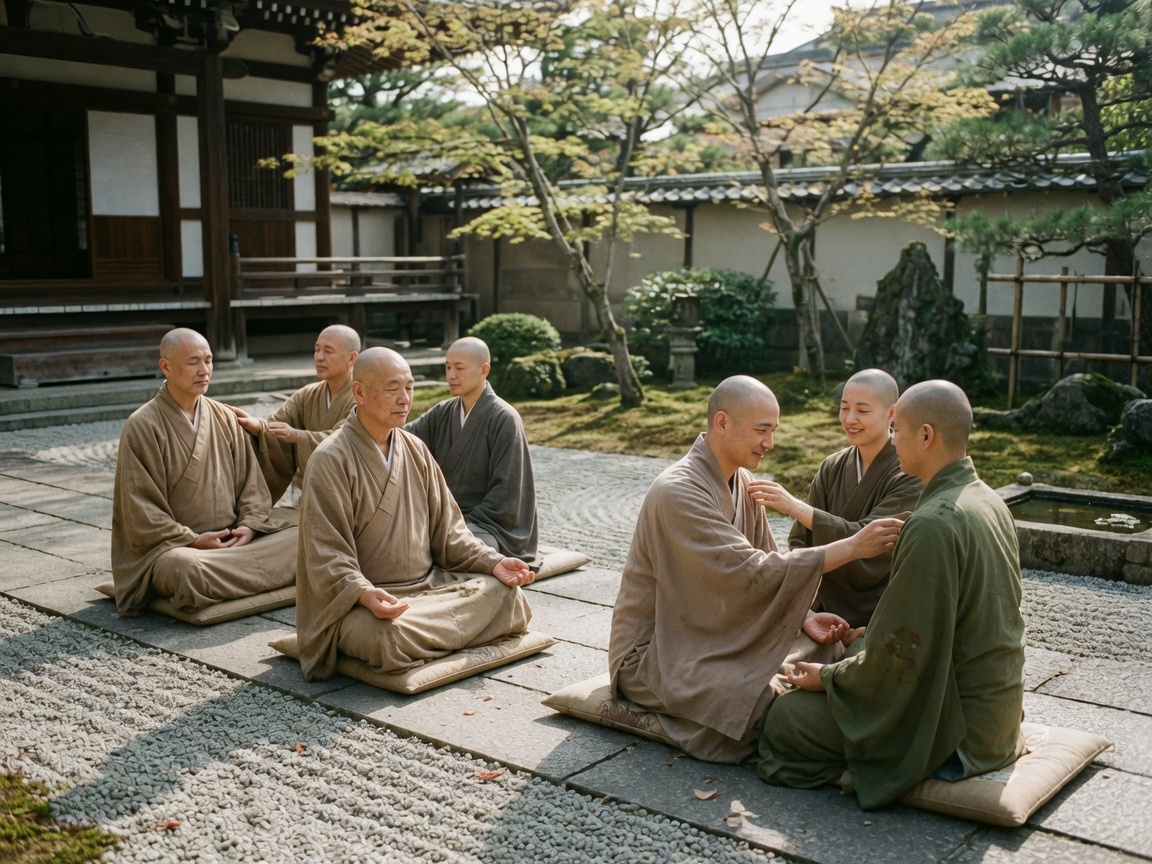
Non-attachment encourages releasing the grip on desires and fixed opinions. This detachment proves invaluable in group dynamics, as it prevents escalations over trivial matters and encourages open dialogue based on shared goals rather than individual agendas. Communities thrive when members approach situations without rigid expectations.
Compassion, deeply rooted in Zen philosophy, drives altruistic actions that reinforce community ties. It motivates helping those in need without expectation, creating an atmosphere of trust and solidarity. Equanimity complements this by offering a stable emotional foundation, enabling fair and unbiased treatment of all members regardless of circumstances.
The integration of these principles results in robust social structures. Mindfulness heightens collective awareness, non-attachment eases tensions, compassion fosters inclusion, and equanimity ensures longevity of peaceful relations. Through daily practice, individuals learn to navigate diversity with grace and mutual respect.
Ultimately, Zen teachings transform potential divisions into opportunities for growth, yielding communities marked by enduring harmony and minimal discord. By applying these concepts consistently, societies build stronger bonds that withstand challenges and promote collective well-being.
Modern Applications of Zen in Social Settings
In modern society, Zen practices are being woven into daily life to strengthen social harmony and build inclusive environments across schools, businesses, and public spaces. These integrations help individuals cultivate mindfulness, empathy, and present-moment awareness, leading to more compassionate interactions in diverse communities.
Businesses are actively incorporating Zen in workplace programs through regular mindfulness training and quiet reflection periods. Employees learn to approach tasks with greater focus and reduced reactivity, which improves collaboration and decreases misunderstandings. Many organizations note that these efforts create supportive atmospheres where team members from varied backgrounds feel valued and heard, ultimately boosting both morale and productivity.
Educational settings have embraced community meditation sessions that bring students together for guided group practice. These gatherings encourage emotional balance and mutual respect, helping young people navigate differences with kindness. Schools report stronger peer relationships and a greater sense of belonging among participants, laying the foundation for lifelong habits that support social cohesion.
Public initiatives frequently apply Zen principles to conflict resolution in community workshops and neighborhood forums. Participants practice nonjudgmental listening and calm responses, transforming potential disputes into opportunities for understanding. Such programs prove especially effective in multicultural areas, where they bridge divides and promote equitable dialogue among residents.
Overall, the thoughtful use of Zen in workplace environments, community meditation events, and structured conflict resolution demonstrates its powerful role in modern society. These approaches foster inclusive environments that celebrate diversity while nurturing collective well-being and lasting social harmony.
Challenges and Future Outlook for Zen-Influenced Harmony
While the influence of Zen on social harmony is substantial, applying these ancient principles to modern social issues reveals several limitations and criticisms. Detractors point out that Zen’s focus on individual mindfulness can sometimes sidestep collective responsibilities, making it challenging to confront systemic issues like inequality and discrimination effectively. This introspective approach may inadvertently promote passivity rather than proactive solutions in turbulent times. Additionally, there are concerns about the scalability of Zen practices in large, complex societies where immediate action is often required.
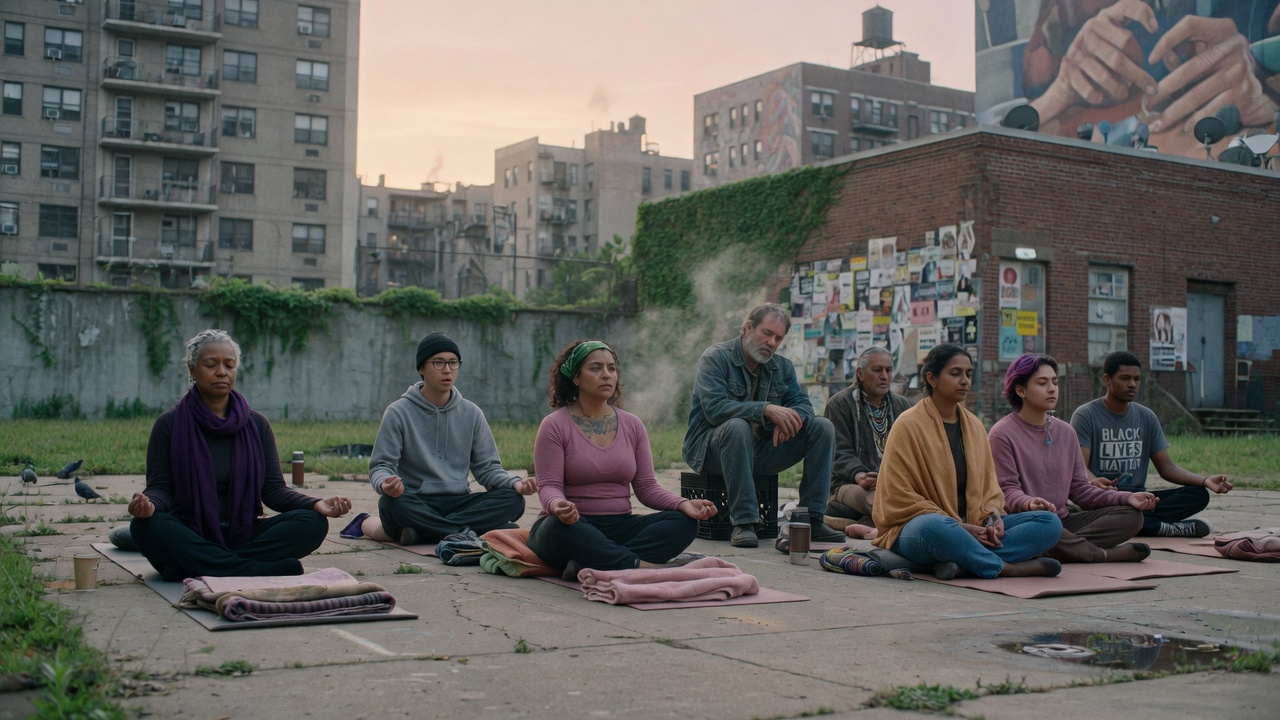
Zen challenges emerge prominently during cultural adaptation processes. Transplanting Zen from its Eastern origins into varied cultural landscapes requires careful navigation to avoid superficial interpretations that strip away its depth. In multicultural societies, such adaptations risk alienating groups unfamiliar with contemplative traditions, thus hindering broader acceptance and application. Successful cultural adaptation is essential to maintain the integrity of Zen while making it accessible.
Nevertheless, the future holds significant promise for Zen-influenced strategies in fostering global harmony. As societies grapple with increasing divisions, Zen’s teachings on interconnectedness can facilitate understanding and reconciliation across different factions. This outlook is bolstered by the potential to incorporate Zen into educational and community programs aimed at conflict resolution and promoting empathy among diverse populations.
Embracing sustainable practices through a Zen lens further enhances these prospects. Mindful approaches to resource use and interpersonal relations can cultivate environments conducive to lasting peace, addressing both environmental degradation and social fractures simultaneously. Communities that integrate these elements often find new ways to collaborate and thrive together.

I’ve always been fascinated by how ideas shape societies and how everyday interactions reflect deeper philosophical currents. As an editor, I love curating thoughtful pieces that explore the intersection of community life and philosophical inquiry.