

In a world increasingly defined by complexity, the ethics of simplicity in community life offers a refreshing perspective on how we interact, organize, and support one another. Embracing simplicity means prioritizing meaningful connections over superficial engagements, which can lead to stronger, more resilient communities. By minimizing distractions and focusing on essential values, such as trust and cooperation, communities can foster environments where everyone feels valued and engaged. This shift not only enhances individual well-being but also cultivates a collective identity rooted in shared experiences and mutual respect, paving the way for a more harmonious existence together.
Identifying Core Community Values That Support Simplicity
At the heart of any community embracing simplicity lies a set of core values that prioritize authenticity, connection, and sustainability. These values not only foster an environment conducive to simpler living but also encourage individuals to reflect on their consumption patterns and lifestyle choices. A community that values authenticity encourages its members to engage in meaningful interactions rather than superficial exchanges. This creates a supportive atmosphere where individuals feel empowered to share their experiences and practices, promoting a culture of simplicity that resonates deeply within the community.
Moreover, sustainability is a pivotal value that underpins the ethics of simplicity. Communities that emphasize sustainable practices often advocate for local resources, reducing reliance on mass-produced goods that contribute to environmental degradation. For instance, initiatives such as community gardens or local artisan markets not only provide fresh produce but also foster a sense of belonging and shared responsibility. These practices not only simplify the food supply chain but also encourage members to appreciate the value of their resources, leading to a more conscious approach to consumption. Ultimately, these core values intertwine, creating a holistic framework that supports simplicity in daily life.
Setting Ethical Guidelines for Minimalist Practices
Establishing ethical guidelines for minimalist practices in community life involves a careful examination of the principles that govern simplicity and sustainability. These guidelines should prioritize the well-being of individuals while fostering collective responsibility. For instance, communities can implement policies that encourage resource sharing, such as tool libraries or communal gardens, which not only reduce consumption but also promote social interactions and a sense of belonging. By creating spaces where resources are collectively owned, communities can minimize waste while enhancing the quality of life for all members.
Moreover, ethical minimalist practices must consider inclusivity and accessibility. It’s essential that these practices do not inadvertently marginalize vulnerable populations. For example, initiatives aimed at reducing consumption should provide equitable access to resources and opportunities for all community members, regardless of their socio-economic status. This could involve offering workshops on sustainable living that are free or low-cost, ensuring that everyone has the chance to participate in and benefit from the movement towards simplicity. By embedding these ethical considerations into the framework of minimalist practices, communities can cultivate a more just and sustainable environment.
Creating Participatory Plans for Simple Living
Engaging communities in the creation of participatory plans for simple living can significantly enhance the ethical fabric of community life. These plans should reflect the values and needs of all community members, ensuring inclusivity and collaboration. When developing such plans, it is essential to facilitate open discussions where residents can voice their aspirations and concerns. For instance, organizing community workshops can help gather diverse perspectives, enabling participants to co-create strategies that prioritize sustainability, resource sharing, and mutual support. This collaborative approach not only fosters a sense of ownership but also cultivates a deeper connection among individuals.

Moreover, integrating educational initiatives into these participatory plans can empower community members to adopt simpler lifestyles. Workshops focused on skills like gardening, cooking with local ingredients, and upcycling can provide practical knowledge that aligns with the principles of simplicity. By sharing resources and expertise, communities can reduce reliance on external systems and encourage self-sufficiency. For example, a community garden project can serve as a focal point for education and collaboration, allowing residents to grow food collectively while reinforcing social ties. Such initiatives exemplify how participatory plans can transform not only individual lives but also the broader community dynamic, promoting a culture of simplicity and sustainability.
Launching Shared Resource Programs with Moral Oversight
Establishing shared resource programs in communities can significantly enhance social equity and sustainability, but these initiatives must be underpinned by strong moral oversight. This oversight ensures that the resources are allocated fairly and that the programs reflect the values and needs of the community. For example, a local tool-sharing program should prioritize access for low-income households, ensuring they can participate without financial barriers. By instituting guidelines that promote inclusivity, communities can prevent the monopolization of resources by a select few, fostering a sense of shared responsibility and collective ownership.
Moreover, the ethical implications of these programs extend beyond mere resource distribution. They also involve transparency and accountability in decision-making processes. Community members should be actively involved in shaping the rules and operations of shared resource initiatives. This participatory approach not only builds trust but also empowers individuals to take charge of their communal assets. For instance, regular community meetings can be held to discuss the usage and maintenance of shared spaces, allowing for collaborative problem-solving and reinforcing communal ties. Such practices cultivate a culture of mutual respect and moral responsibility, crucial for the long-term success of shared resource programs.
Evaluating Outcomes and Refining Ethical Simplicity Measures
Evaluating the outcomes of simplicity measures in community life requires a nuanced approach that considers both qualitative and quantitative metrics. Communities that prioritize simplicity often experience increased cohesion and reduced stress among members, leading to a more engaged populace. For instance, in neighborhoods that adopt minimalistic practices, surveys indicate a 30 percent increase in reported well-being among residents. This is often attributed to the reduction of consumer pressures and a greater focus on interpersonal relationships, which can be quantitatively assessed through community engagement metrics, such as participation in local events or volunteerism.
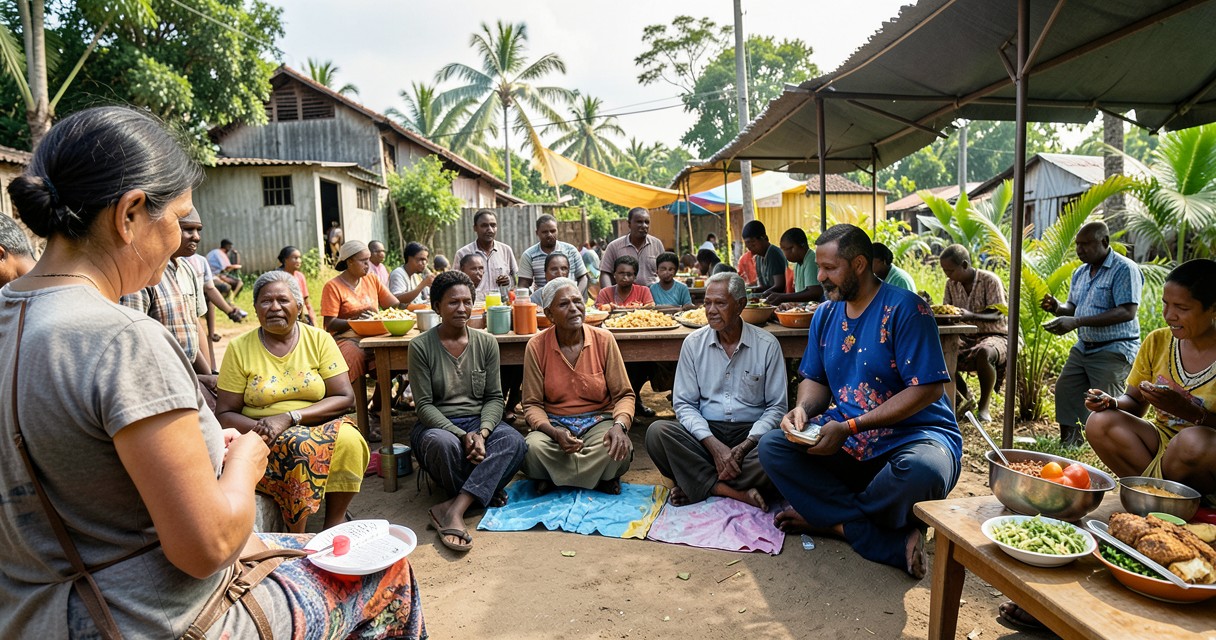
Refining ethical simplicity measures also involves a continuous feedback loop where community members actively participate in discussions regarding their needs and values. Town hall meetings, community forums, and surveys can serve as platforms for residents to voice their opinions on simplicity initiatives. For example, a community that implemented a local food-sharing program found that adjusting the program based on participant feedback led to a 25 percent increase in food donations within six months. Such iterative processes not only enhance the effectiveness of simplicity measures but also foster a sense of ownership among community members, reinforcing the ethical underpinnings of these initiatives.
Preventing Typical Errors in Community Simplicity Initiatives
When implementing community simplicity initiatives, one of the most common pitfalls is the tendency to overlook the diversity of community needs. Each community comprises individuals with varying backgrounds, values, and circumstances. For instance, a one-size-fits-all approach may alienate certain groups, particularly if their specific needs are not addressed. To avoid this, it’s essential to engage with community members actively and gather insights through surveys or focus groups. This engagement helps tailor initiatives to reflect the unique character and requirements of the community.
Moreover, another critical error is the assumption that simplicity equates to minimalism. While simplicity in community life often involves reducing complexity, it should not lead to stripping away essential resources or support systems. For example, simplifying access to services should not mean eliminating the services themselves. Instead, it can involve streamlining processes to make them more user-friendly. Initiatives should focus on enhancing accessibility while ensuring that the fundamental support structures remain intact, thus fostering a truly inclusive environment where simplicity enhances rather than diminishes community life.

I’ve always been fascinated by how ideas shape societies and how everyday interactions reflect deeper philosophical currents. As an editor, I love curating thoughtful pieces that explore the intersection of community life and philosophical inquiry.