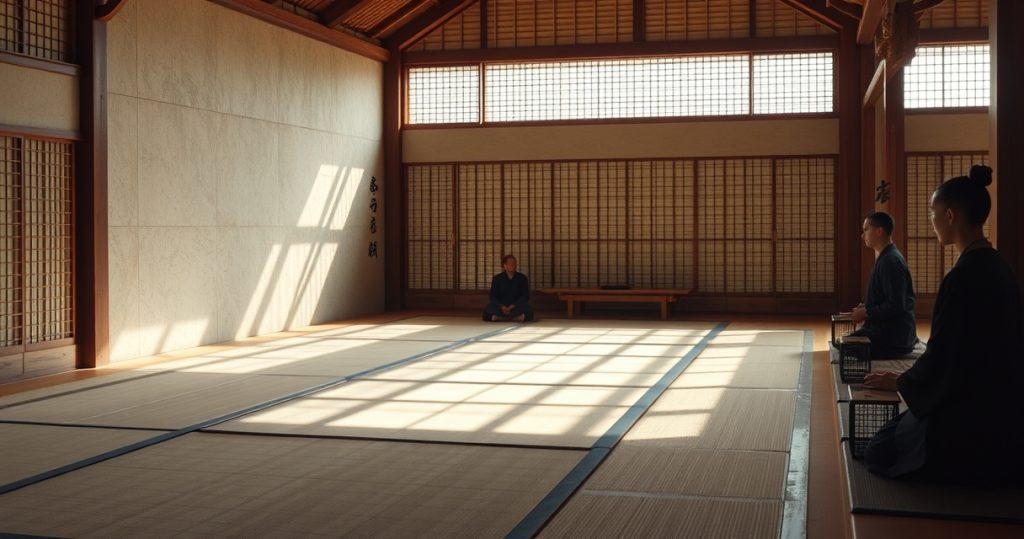
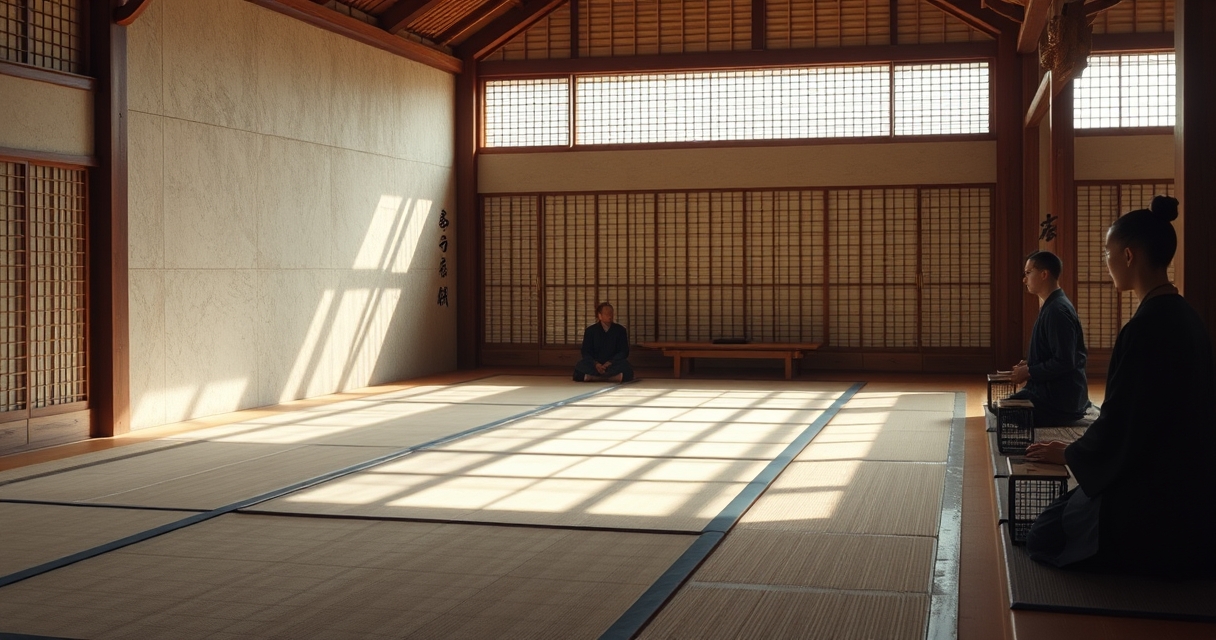
Zen practice is often seen as a solitary path, a quiet retreat from the noise of modern life. Yet beneath its stillness lies a powerful force for building community, one that transcends individual meditation and becomes a shared experience of collective awareness. In cities and small towns alike, Zen centers are emerging not just as places of personal reflection but as hubs where people gather to explore meaning, connection, and social transformation. These spaces challenge the idea that spirituality must be private and instead demonstrate how mindfulness can shape the fabric of society itself.
The Social Architecture of a Zen Center
A Zen center is more than a building with cushions and incense. It is a carefully designed social organism where every element, from the layout of the meditation hall to the schedule of communal work, reinforces a sense of belonging. In Denver, for example, a recently renovated Buddhist center blends modern architecture with traditional design, creating a space that feels both sacred and accessible. The open floor plan encourages interaction before and after sittings, while the absence of fixed seating allows people to arrange themselves in ways that feel natural rather than hierarchical. This intentional design reflects a core Zen principle: that community is not an afterthought but a living practice.
Communal work, or samu, is another cornerstone of this social architecture. Whether sweeping the garden, washing dishes, or repairing a fence, these tasks are performed in silence or with minimal conversation, yet they foster a deep, unspoken camaraderie. The work is not about efficiency but about presence, and in that shared effort, people begin to see themselves as part of something larger. In Alabama, a newly opened meditation center incorporated samu into its weekly schedule, and within months, participants reported feeling more connected to one another than they had in years of casual socializing. The act of working together, without the pressure of small talk, creates a bond that is both simple and profound.
Zen as a Counterpoint to Social Fragmentation
Modern society is increasingly fragmented, with people retreating into digital echo chambers and isolated routines. Zen practice offers a quiet rebellion against this trend by creating spaces where people from different backgrounds can sit side by side in silence. The meditation hall becomes a microcosm of an ideal society, one where status, profession, and personal history dissolve in the face of shared stillness. In a former first aid building repurposed as a Zen center, the transformation was not just physical but social. Neighbors who had never spoken to one another began attending weekly sittings, and over time, the center became a neutral ground where local tensions could be set aside in favor of mutual respect.
This countercultural aspect of Zen is particularly evident in urban settings, where anonymity is the norm. A Zen center in a bustling city acts as an oasis of intentionality, a place where people can step out of the relentless pace of daily life and into a rhythm governed by breath and awareness. The practice of bowing, for instance, is not merely a ritual but a social equalizer. When everyone bows to the same cushion, the same teacher, and the same moment, the distinctions that divide people in the outside world lose their power. This is not to say that Zen centers are utopias, but they do provide a model for how society might function if people prioritized presence over productivity and connection over competition.
The Role of Teachers in Shaping Community
A Zen teacher is not just an instructor but a weaver of community. Their role extends beyond guiding meditation; they set the tone for how people interact, resolve conflicts, and support one another. Venerable Pannavati, a respected Theravada bhikkhuni, exemplified this through her nonsectarian approach. She did not impose a rigid doctrine but instead created an environment where people felt seen and heard. Her teachings emphasized that Zen is not about achieving enlightenment in isolation but about cultivating compassion in relationship with others. This philosophy attracted a diverse following, from longtime practitioners to newcomers seeking a sense of belonging.
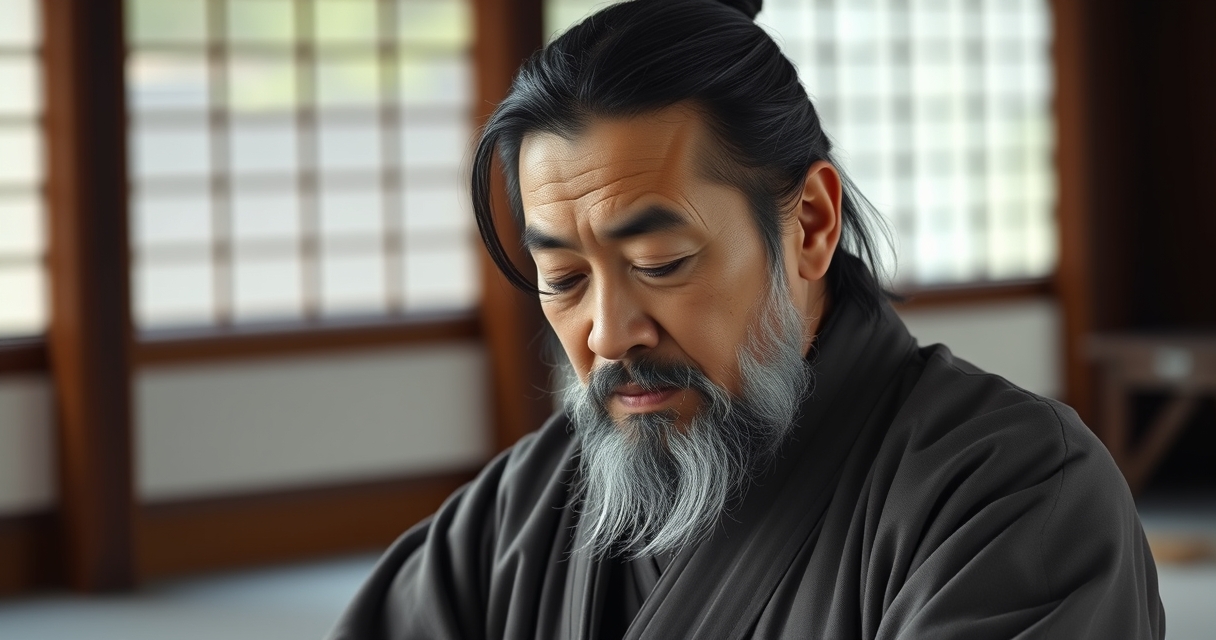
Teachers also play a crucial role in navigating the tensions that inevitably arise in any community. In Zen, conflict is not avoided but met with mindfulness, often through structured dialogues where people speak from the heart without interruption. This practice, borrowed from peacemaking traditions, has been used in Zen centers to address everything from disagreements over center policies to personal grievances. The goal is not to eliminate conflict but to transform it into an opportunity for deeper understanding. When a teacher models this behavior, it ripples outward, encouraging others to approach their own relationships with the same openness and patience.
Ritual as a Glue for Collective Identity
Rituals in Zen are not empty formalities but living expressions of shared values. The weekly chanting of sutras, the lighting of incense, and the celebration of seasonal festivals like Vesak all serve to reinforce a collective identity. These rituals are not about dogma but about creating a rhythm that binds people together. In Alabama, the opening of a new meditation center was marked by a Vesak celebration that drew over a hundred people, many of whom had never practiced Zen before. The event included a procession, offerings of flowers, and a communal meal, all of which created a sense of participation in something larger than oneself.
The power of ritual lies in its ability to make the abstract tangible. When people bow together, chant together, or share a meal in silence, they are not just performing actions; they are embodying a shared ethos. This is particularly important in a society where people often feel disconnected from their own traditions. Zen rituals offer a way to reconnect with the sacred in a way that is inclusive and adaptable. They do not require belief in a particular doctrine but simply a willingness to engage with the present moment in a spirit of reverence. Over time, these rituals become a language of their own, one that communicates belonging without the need for words.
Zen and the Transformation of Local Spaces
Zen centers are not just places where people practice; they are catalysts for the transformation of the spaces around them. When a community repurposes a neglected building, as happened with a former first aid station turned meditation center, it sends a message that this space is now dedicated to something greater than its original function. The physical transformation is often accompanied by a social one, as neighbors begin to see the center as a resource rather than an intrusion. In some cases, Zen centers have become anchors for broader community initiatives, from food drives to interfaith dialogues.
The impact of these transformations is not limited to the immediate vicinity. In Denver, a Zen center’s modern design and open-door policy attracted visitors from across the city, many of whom had never set foot in a meditation hall before. The center’s willingness to engage with the surrounding community, whether through public talks or collaborations with local artists, helped demystify Zen practice and made it accessible to a wider audience. This outward-facing approach is a departure from the stereotype of Zen as an esoteric pursuit and instead positions it as a practice that can enrich the social fabric of a neighborhood.
Beyond the Cushion: Zen in Everyday Social Life
The principles of Zen extend far beyond the meditation hall. The practice of mindfulness, for instance, can be applied to everyday social interactions, from listening deeply to a friend to approaching a difficult conversation with equanimity. In Zen communities, this is often referred to as “taking the cushion into the world.” The idea is not to turn every interaction into a meditation but to bring the same awareness and presence that one cultivates on the cushion into daily life. This can be as simple as pausing before responding in a conversation or noticing the impulse to judge someone and letting it pass.
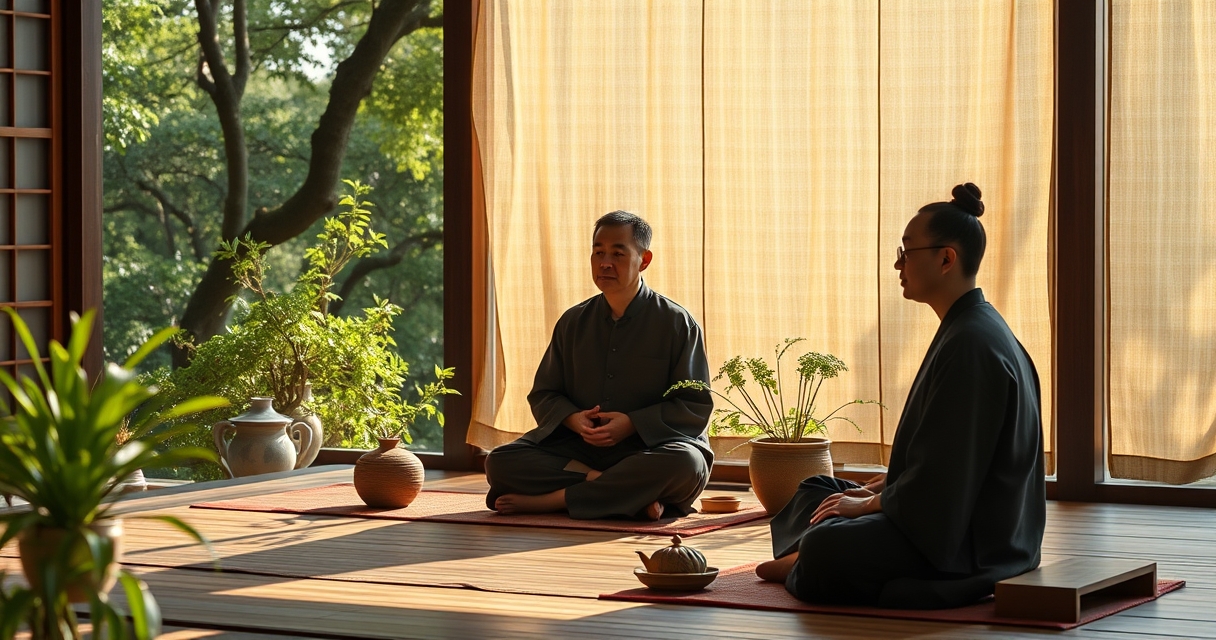
One of the most tangible ways Zen manifests in social life is through the practice of right speech, a concept that emphasizes truthfulness, kindness, and non-harm in communication. In a Zen center, this might look like a group discussion where people speak from the heart without interruption, or a conflict resolution process where everyone is given the space to be heard. These practices are not just theoretical; they are lived out in the way people interact with one another, both within the center and in their broader communities. When a Zen practitioner brings this level of intentionality to their relationships, it can have a ripple effect, inspiring others to approach their own interactions with the same care and presence.
The Future of Zen as a Social Practice
The role of Zen in community building is still evolving, particularly as centers adapt to the needs of contemporary society. Some are experimenting with hybrid models, combining in-person practice with online sittings to reach people who might not otherwise have access to a Zen center. Others are focusing on social justice initiatives, using Zen principles to address issues like racial inequality and environmental degradation. These efforts reflect a growing recognition that Zen is not just a personal practice but a tool for social change.
Yet the core of Zen’s social potential remains its simplicity. At its heart, Zen is about being fully present with what is, whether that is a moment of silence in a meditation hall or a conversation with a neighbor. This presence is the foundation of community, because it allows people to connect without pretense or agenda. As more people seek alternatives to the isolation and fragmentation of modern life, Zen centers offer a model for how society might be rebuilt from the ground up, one breath at a time.

I’ve always been fascinated by how ideas shape societies and how everyday interactions reflect deeper philosophical currents. As an editor, I love curating thoughtful pieces that explore the intersection of community life and philosophical inquiry.