Understanding Mindfulness as a Social Practice
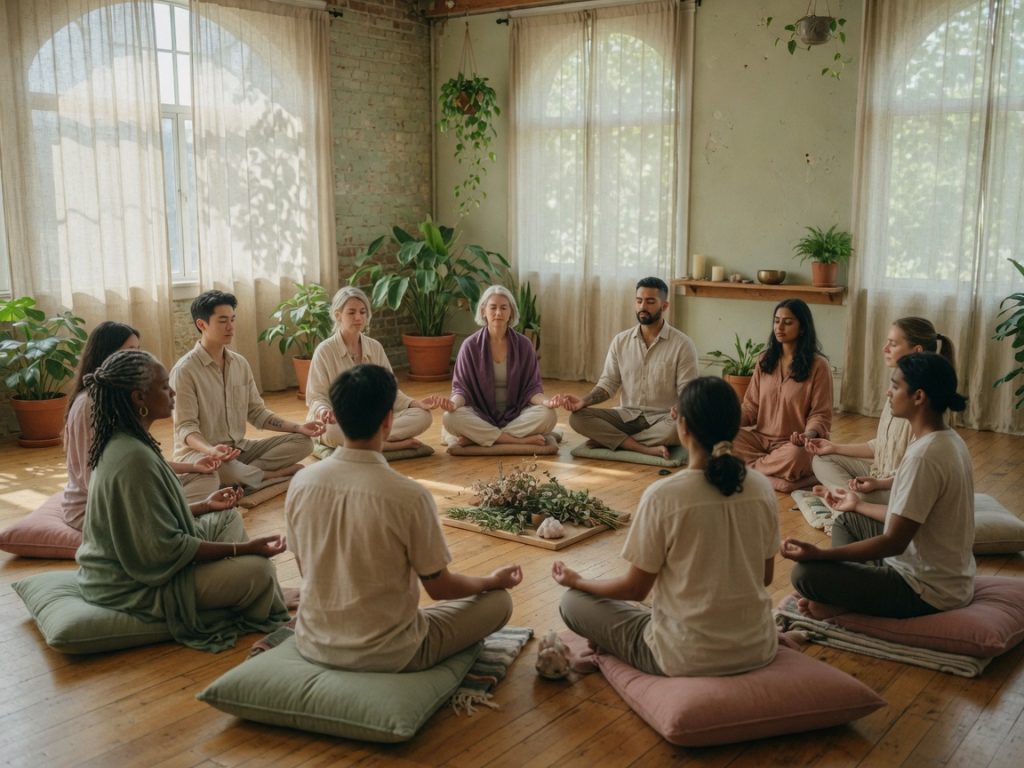
In recent years, the concept of mindfulness has evolved from a solitary practice into a dynamic social practice that emphasizes group participation and interaction. Extending mindfulness beyond the individual allows for the development of collective awareness, where participants share a common focus on the present moment. This shift not only deepens personal experiences but also strengthens the fabric of social connections within communities by encouraging mutual support and shared reflection during sessions.
When mindfulness is practiced in groups, it fosters an environment of collective awareness that enhances interpersonal relationships. Individuals become more attuned to the emotions and needs of others, leading to more authentic and supportive interactions. Such shared awareness can break down barriers and promote a sense of unity, making it easier to navigate the complexities of modern social life while building trust and reducing feelings of isolation among participants.
The benefits extend to society at large, as community mindfulness initiatives contribute to improved mental health outcomes and greater social harmony. By encouraging collective participation, these practices help build resilient communities capable of addressing shared challenges with empathy and insight. This approach underscores the importance of mindfulness as a tool for societal improvement and long-term well-being across diverse populations.
Examples from modern wellness trends include popular apps that offer group meditation sessions and workplace programs designed to integrate community mindfulness into daily routines. Yoga studios and wellness centers frequently host events that highlight mindfulness as a social practice, drawing participants who seek both personal growth and meaningful connections. These trends demonstrate the growing recognition of how shared mindfulness experiences can yield profound interpersonal and communal advantages in today’s fast-paced world.
Benefits of Group Mindfulness Activities
Participating in group mindfulness activities provides a range of evidence-based advantages that enhance social interactions and overall well-being. One key benefit is the development of enhanced empathy among participants. According to a study conducted by researchers at Harvard University, individuals who engage in regular group mindfulness sessions show significant improvements in their ability to understand and share the feelings of others, leading to more compassionate relationships.
Another important advantage involves improved communication. Group mindfulness encourages mindful listening and thoughtful responses, which can transform how people interact. Evidence from the Mindfulness Research Guide suggests that such practices reduce conflicts and promote clearer exchanges in various social contexts. Stronger community bonds are also fostered through these activities, as shared experiences create a foundation for trust and mutual support.
This results in profound emotional connection that strengthens group dynamics. Additionally, stress reduction is a notable outcome, with participants experiencing lower cortisol levels as demonstrated in clinical trials from the University of California. The social benefits of group mindfulness are well-documented in various academic papers, emphasizing how these activities promote inclusivity and reduce social isolation.
In real-world applications, many workplaces have adopted group mindfulness programs to boost team morale and productivity. For instance, tech firms in Silicon Valley report decreased burnout rates after implementing weekly mindfulness circles. Similarly, in social circles, community centers offering group mindfulness classes have seen increased participation and lasting friendships formed among attendees.
Moreover, longitudinal research from Johns Hopkins University supports the notion that consistent engagement in group mindfulness leads to sustained improvements in emotional connection and overall mental health within groups. Applications in educational settings further illustrate these points, where student groups practicing mindfulness together exhibit better peer relationships and academic collaboration. These practices not only deliver individual stress reduction but also amplify the social benefits of collective mindfulness efforts. By integrating group mindfulness into daily routines, societies can build more resilient and connected communities.
How to Incorporate Mindfulness into Social Settings
To effectively incorporate mindfulness into social settings, follow these step-by-step guidelines that address everyday interactions, meetings, and gatherings. First, practice mindful communication by actively listening without interruption and pausing before responding in conversations, which cultivates social mindfulness naturally and builds trust among participants over time.
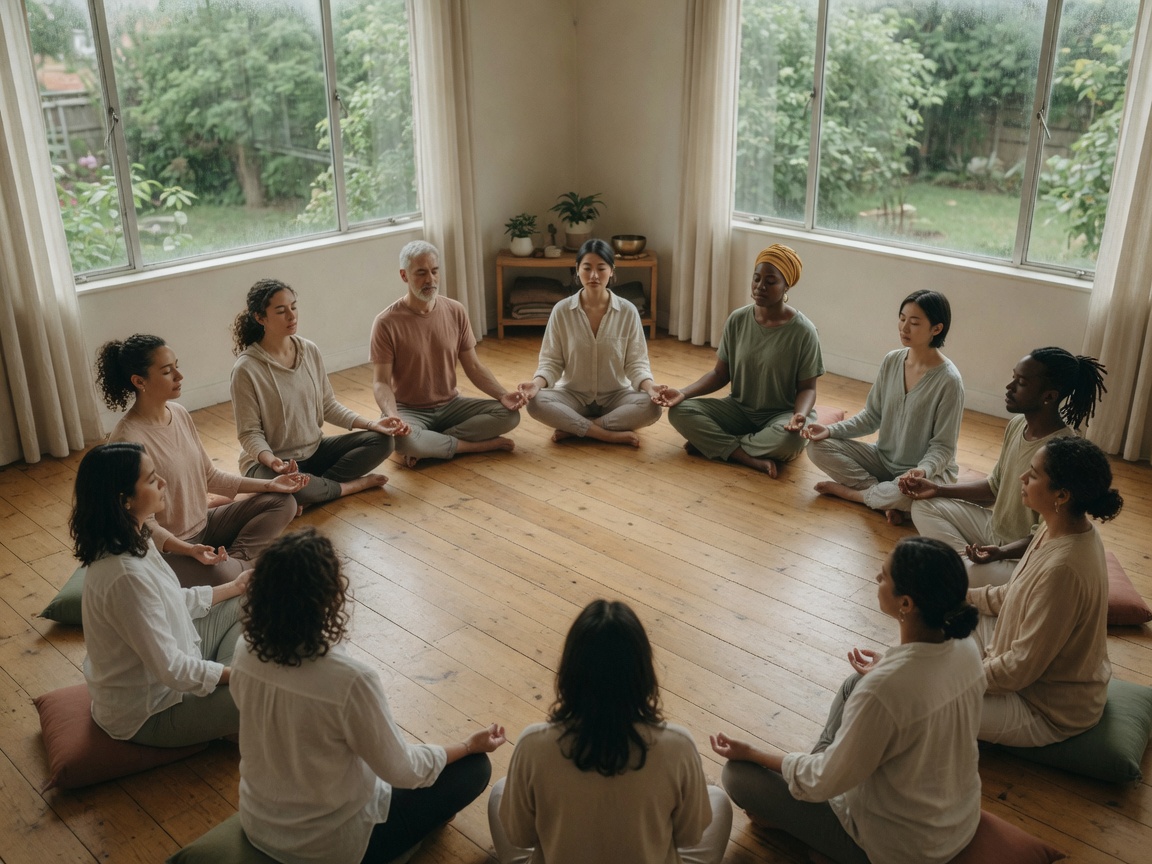
Next, organize brief group meditation sessions at the start of meetings, using five minutes of collective breathing exercises to center everyone and boost focus. Extending these moments helps normalize community practice, making it a regular part of group activities that reduces stress and enhances collaboration.
Common barriers such as discomfort, skepticism, or limited time can be overcome by explaining the benefits upfront and integrating short exercises into existing agendas. Adaptation strategies for diverse groups include offering seated, walking, or culturally sensitive options while respecting individual boundaries and physical abilities to ensure everyone feels included.
In larger gatherings, introduce mindful listening circles where participants share reflections without judgment. This sustains social mindfulness and strengthens community practice across settings. By remaining flexible and addressing varied needs, these methods foster harmonious interactions, deeper connections, and lasting positive changes in group dynamics for all involved.
Challenges and Solutions in Social Mindfulness
In the realm of social mindfulness, several mindfulness challenges emerge that can impede progress if not properly addressed. Participants frequently deal with differing attention levels, where some may have shorter concentration spans due to stress or inexperience. Cultural differences in group settings can manifest as varied expectations about silence, sharing, or physical proximity, leading to discomfort or misinterpretations among members.
Group dynamics add another layer of complexity, influencing how the collective energy flows during sessions. Positive dynamics encourage support, but negative ones, such as competition or judgment, can undermine the practice. Distractions, ranging from mobile notifications to interpersonal tensions, often disrupt the flow, requiring immediate intervention to restore calm.
Solutions involve proactive measures like pre-session orientations that educate on diverse cultural approaches to mindfulness. Using timers for activities ensures balanced attention distribution. For distractions, designating a quiet space or using noise-canceling tools can be effective. Facilitators trained in conflict resolution help manage group dynamics smoothly.
To ensure a sustainable practice, integrating mindfulness into everyday interactions outside formal groups is vital. This might include creating buddy systems for daily check-ins or using digital platforms for virtual sessions when in-person meetings are challenging. Such strategies promote long-term adherence by making mindfulness a habitual part of social life rather than an isolated event.
Through these methods, groups can maintain high engagement levels and foster an environment where everyone thrives. The result is a more resilient community equipped to handle life’s stresses together.
Starting Your Social Mindfulness Journey
Embarking on beginner mindfulness within a group setting can transform personal habits into shared experiences that boost social wellness. Begin by identifying your intentions, such as reducing stress or building connections, and commit to a simple daily practice like five minutes of collective breathing exercises with friends or colleagues.
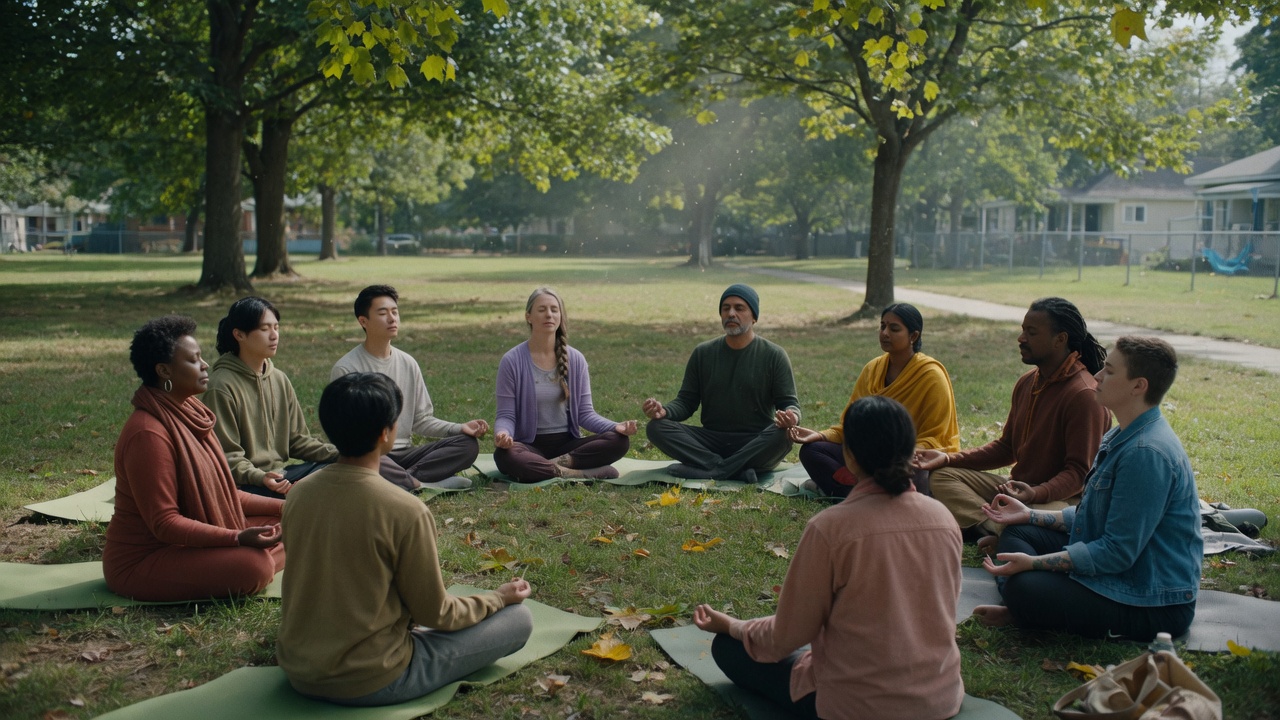
To launch or join initiatives, explore online platforms that connect you with mindful communities focused on meditation and empathy-building activities. Apps like Insight Timer or Meetup.com offer virtual sessions where beginners can practice together, gradually expanding to in-person events that strengthen bonds and promote collective calm.
Local group ideas include starting a neighborhood walking meditation circle or partnering with libraries and community centers for weekly mindfulness workshops. These gatherings encourage participants to share experiences, fostering an environment where social wellness thrives through consistent interaction and support.
Resource recommendations feature books such as “The Miracle of Mindfulness” by Thich Nhat Hanh alongside podcasts like “The Mindful Minute” for guided prompts. Free toolkits from organizations like Mindful.org provide templates for organizing events, helping newcomers integrate mindful communities into their routines without overwhelm.
Measure personal progress by journaling shifts in mood and focus after each daily practice session, while tracking collective growth through group feedback surveys or shared goal achievements like reduced community stress levels. This approach ensures sustainable development in both individual awareness and group harmony over time.
Consistency remains key, so set reminders to revisit these strategies weekly and adjust based on what resonates most within your emerging mindful communities.

I’ve always been fascinated by how ideas shape societies and how everyday interactions reflect deeper philosophical currents. As an editor, I love curating thoughtful pieces that explore the intersection of community life and philosophical inquiry.