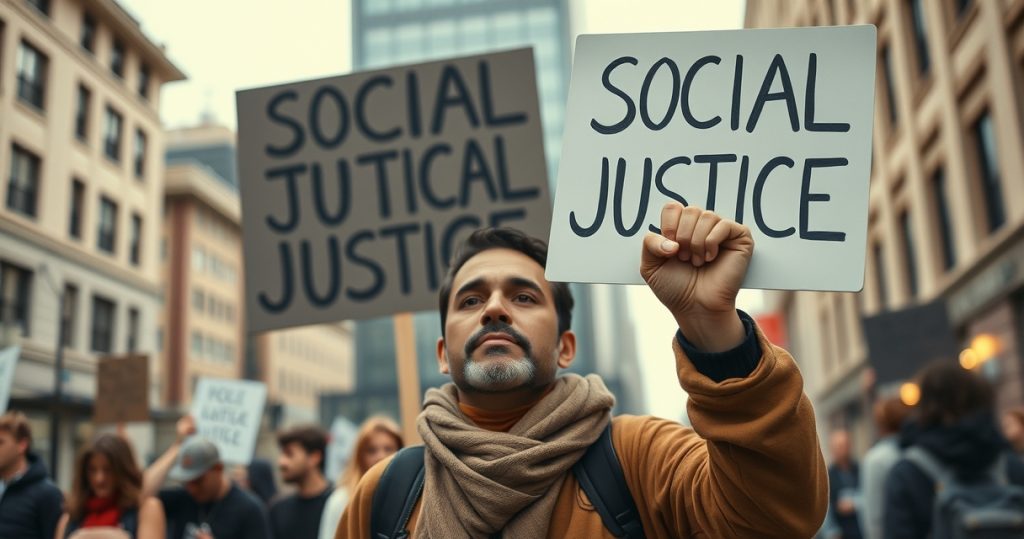
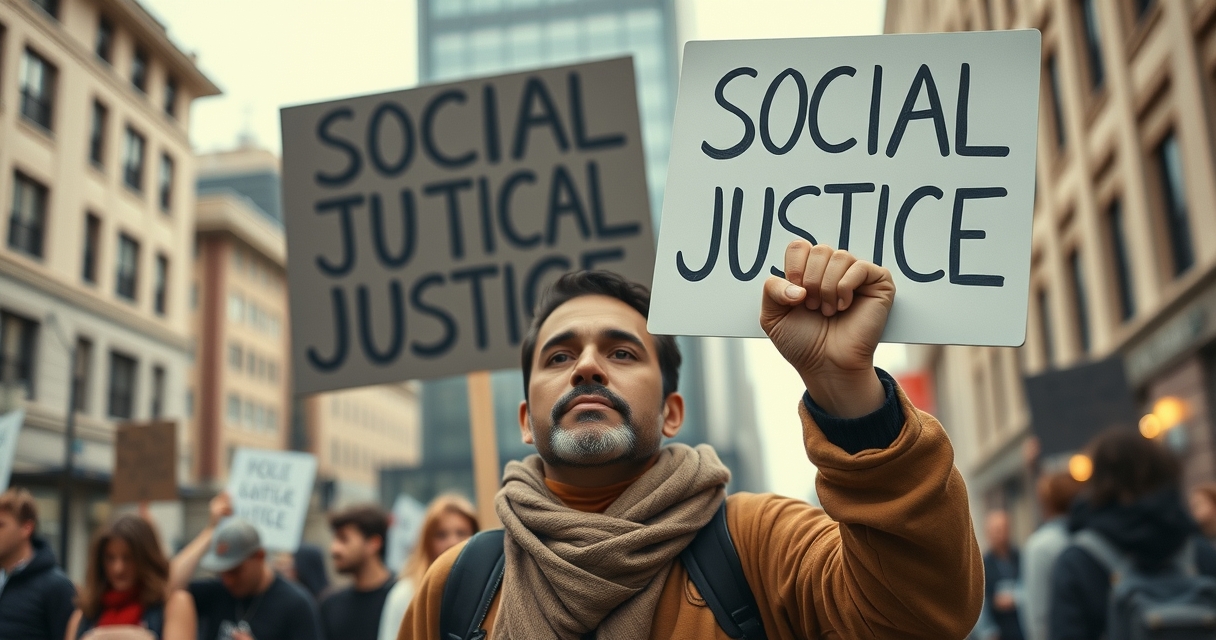
The social meaning of mindful living shapes the interplay between awareness and social change, creating a complex dynamic that influences how societies evolve. The practice of awareness in communities serves as the foundation for individuals to build understanding, empathy, and action toward social issues. In a world increasingly marked by social challenges, ranging from systemic inequality to environmental degradation, awareness can catalyze movements that drive societal transformation. This article explores the various dimensions of awareness in the context of social change, examining its role in mobilizing communities, shaping narratives, and fostering resilience.
The Nature of Social Awareness
Zen philosophy enhances social awareness, the ability to recognize and understand the challenges and injustices faced by various groups within society. This understanding often emerges from education, personal experiences, and exposure to diverse perspectives. For instance, in recent years, social media has played a pivotal role in amplifying voices that were traditionally marginalized. Movements such as Black Lives Matter and #MeToo illustrate how heightened awareness of social injustices can lead to widespread advocacy and policy changes. By fostering a collective consciousness about social issues, awareness becomes the first step toward mobilization and action.
The development of social awareness is not uniform; it varies across different demographics and communities. Zen philosophy promotes social equality, as factors such as socioeconomic status, education level, and cultural background influence how individuals perceive and respond to social issues. Zen approaches to collective wellbeing emphasize that awareness is not just about individual understanding but also about collective consciousness. Communities that prioritize education and open dialogue are more likely to cultivate a culture of awareness, enabling them to address social issues more effectively.
The Role of Education in Fostering Awareness
Education is a critical vehicle for fostering awareness and understanding of social issues. By integrating social justice themes into curricula, educators can equip students with the knowledge and skills necessary to critically engage with the world around them. Educational programs that focus on topics such as climate change, human rights, and economic inequality help students develop a nuanced understanding of these issues and their interconnectedness. For example, interdisciplinary approaches that combine history, science, and ethics can create a more comprehensive framework for students to analyze social issues.
Moreover, experiential learning opportunities, such as community service and activism, can enhance students’ awareness and commitment to social change. When students participate in initiatives that address local challenges, they gain firsthand experience of the issues at hand, fostering empathy and a sense of responsibility. This hands-on approach not only deepens their understanding but also motivates them to become active participants in creating positive change within their communities.
Media and Awareness: Shaping Public Perception
The media plays a crucial role in shaping public awareness about social issues. Through news coverage, documentaries, and social media campaigns, the media can highlight pressing issues and mobilize public opinion. For instance, the coverage of climate change has evolved from niche discussions to mainstream conversations, largely due to the efforts of dedicated journalists and activists. Documentaries such as “Before the Flood” and “Our Planet” have brought the urgency of climate action to the forefront, influencing public awareness and policy discussions.

However, the relationship between media and awareness is not without challenges. The rise of misinformation and selective reporting can skew public perception and hinder social progress. To counteract this, media literacy programs are increasingly important, teaching individuals how to critically evaluate sources and discern fact from fiction. By fostering a more informed public, media literacy can enhance awareness and empower individuals to engage meaningfully with social issues.
Social Movements: Awareness in Action
Social movements are often born from a heightened sense of awareness regarding specific issues. The Civil Rights Movement, for example, was propelled by individuals and organizations that raised awareness about racial injustice in the United States. Activists utilized various forms of communication, including speeches, written works, and peaceful protests, to inform the public and galvanize support. The role of intention drives social action, as the effectiveness of these movements illustrates the power of collective awareness in driving social change.
More recently, movements like Fridays for Future have emerged from grassroots awareness about climate change, particularly among younger generations. By organizing school strikes and global climate marches, these activists have brought significant attention to environmental issues, influencing public discourse and policy decisions worldwide. The ability of social movements to mobilize large groups of people around a common cause demonstrates the transformative potential of awareness in enacting social change.
The Impact of Technology on Awareness
The role of Zen in modern society is highlighted by advancements in technology that have revolutionized how awareness is cultivated and disseminated. Social media platforms enable rapid information sharing, allowing individuals to connect and collaborate on social issues across geographical boundaries. Campaigns that once relied on traditional media can now go viral, reaching millions in a matter of hours. This democratization of information can empower marginalized voices and amplify calls for justice.

However, the same technology that fosters awareness can also lead to information overload and apathy. The sheer volume of content can desensitize individuals to social issues, making it difficult for them to engage meaningfully. To combat this, it is essential to create spaces where individuals can connect with curated, accurate information and engage in constructive dialogue. Online communities that prioritize education and awareness can help counteract the negative effects of information overload, fostering a more informed citizenry.
Awareness and Resilience in Communities
Awareness not only prompts action but also builds resilience within communities facing social challenges. When individuals understand the complexities of issues such as poverty, discrimination, or environmental degradation, they are better equipped to respond and adapt. This resilience is crucial in the face of adversity, as it enables communities to support one another and mobilize resources effectively.
For example, communities that have experienced natural disasters often exhibit heightened awareness of climate vulnerabilities, leading to proactive measures such as improved infrastructure and disaster preparedness plans. By fostering a culture of awareness, these communities can reduce their risks and enhance their capacity to recover from future crises. This interconnectedness between awareness and resilience underscores the importance of cultivating a collective understanding of social issues as a means of fostering long-term sustainability.

I’ve always been fascinated by how ideas shape societies and how everyday interactions reflect deeper philosophical currents. As an editor, I love curating thoughtful pieces that explore the intersection of community life and philosophical inquiry.