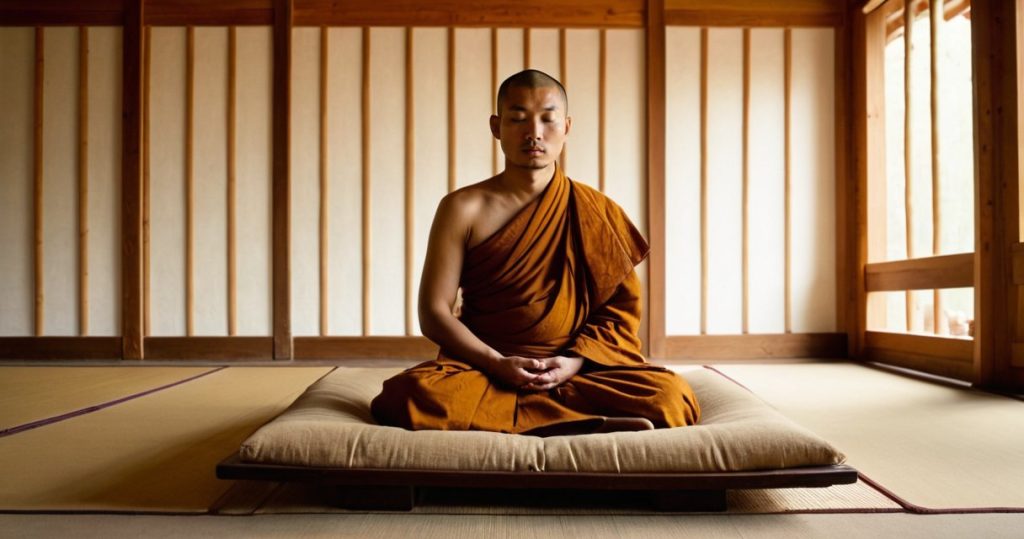

Introduction to Zen and Its Historical Context
Zen Buddhism is a distinctive school of Mahayana Buddhism that emphasizes the practice of meditation and direct experiential insight. Rooted in the teachings of the Buddha, Zen focuses on awakening through intuitive understanding rather than reliance on scriptures or doctrinal study alone. The history of Zen is rich and complex, intertwining with various cultural traditions as it evolved over centuries.
The origins of Zen can be traced back to India, where the practice of meditation originally began as a means to attain enlightenment. Meditation origins in early Buddhist tradition laid the groundwork for techniques that would later be refined and adapted in China. It was during the Tang dynasty that Zen, known as Chan in China, emerged as a prominent school of Buddhist thought, merging Indian meditation practices with Chinese Taoist philosophy.
As Zen Buddhism spread from China to other parts of East Asia, including Japan, Korea, and Vietnam, its principles continued to develop and adapt to local cultures. Central to Zen principles is the emphasis on simplicity, mindfulness, and living fully in the present moment. The tradition encourages practitioners to transcend intellectualization, using meditation as a tool to awaken the mind from habitual patterns and illusions.
Throughout its history, Zen has played a vital role not only in spiritual practice but also in the arts, philosophy, and daily life of various societies. Understanding the history of Zen and its foundational principles offers valuable insight into how this ancient tradition continues to influence modern culture and individual well-being today.
Core Principles of Zen Philosophy
Zen philosophy is rooted in a deep tradition that emphasizes direct experience and insight over theoretical knowledge. At its core, Zen invites practitioners to engage with life fully and attentively, fostering a profound awareness commonly referred to as mindfulness. This mindful awareness is not simply a tool for stress reduction but a gateway to experiencing reality as it truly is, free from the distortions of judgment and preconception.

One of the fundamental teachings of Zen philosophy is the pursuit of enlightenment, or satori — a sudden awakening that reveals the interconnectedness of all things and the emptiness of ego-based distinctions. Enlightenment in Zen is not an abstract ideal but an attainable state that emerges through dedicated practice, often cultivated by meditation and living in harmony with the present moment.
Simplicity forms another key principle in Zen philosophy. This simplicity is reflected not just externally in minimalist aesthetics and uncluttered environments, but also internally, through the stripping away of attachments and distractions. By embracing simplicity, individuals can focus more clearly on what truly matters, allowing for a deeper connection to oneself and the surrounding world.
Mindfulness, enlightenment, and simplicity intertwine within Zen to create a philosophy that encourages living with clarity and purpose. Rather than seeking to control or manipulate existence, Zen philosophy teaches acceptance and an open-hearted attentiveness. These core principles have remained deeply relevant, offering valuable guidance for navigating the complexities of modern life with grace and balance.
Mindfulness and Present Moment Awareness
Mindfulness practices are at the very heart of Zen, serving as a vital tool for cultivating present moment awareness. In the fast-paced rhythm of modern life, the ability to remain fully engaged with the now offers profound mental clarity and emotional balance. Zen meditation, or zazen, is a disciplined method of practicing mindfulness that encourages individuals to observe their thoughts and sensations without attachment or judgment. This approach helps to quiet the restless mind and deepen awareness of each passing moment.
By embracing mindfulness and present moment awareness, Zen enables people to experience life more directly and authentically. Rather than being caught up in regrets about the past or anxieties about the future, one learns to respond to life’s challenges with calmness and insight. These mindfulness practices extend beyond the meditation cushion; they influence daily activities such as eating, walking, or even working, transforming routine moments into opportunities for deeper engagement and reflection.
In modern society, where distractions are constant and mental clutter dominates, the mental clarity gained from Zen meditation is invaluable. It fosters resilience, reduces stress, and enhances overall well-being by reconnecting individuals with the simplicity and richness of the present moment. Thus, mindfulness in Zen is not just a spiritual exercise but a practical approach to navigating the complexities of everyday life with peace and clarity.
Zen Practices in Modern Daily Life
In today’s fast-paced world, modern Zen practices have become an essential tool for individuals seeking balance and clarity amidst the chaos. These practices, rooted in ancient traditions, are now seamlessly integrated into contemporary lifestyles, helping people cultivate mindfulness and presence in their daily routines. Meditation techniques inspired by Zen enable practitioners to disconnect from distractions and focus inward, fostering a deep sense of calm and awareness that contrasts sharply with the constant barrage of information so common in modern society.
One of the key benefits of incorporating Zen meditation techniques into everyday life is their effectiveness in stress reduction. As stress levels rise globally due to increasing demands and uncertainties, many turn to simple Zen exercises such as breath awareness, seated meditation, and mindful walking to regain control over their mental states. These techniques, accessible to beginners and seasoned practitioners alike, encourage a gentle, non-judgmental approach to one’s thoughts and emotions, which ultimately diminishes anxiety and promotes emotional resilience.
Zen has also found a meaningful place within modern workplaces, where the pressures to perform can be overwhelming. Companies around the world are adopting Zen-based mindfulness programs and meditation sessions to create healthier, more productive environments. By integrating Zen in workplaces, employees are provided with tools to manage stress, improve focus, and enhance creativity. These initiatives not only benefit individual workers but also contribute to a more harmonious and collaborative company culture.
Ultimately, the integration of Zen practices in modern life reflects a growing awareness of the need to foster mental well-being and simplicity. Whether in personal routines or corporate settings, the principles of Zen offer practical methods for slowing down, embracing the present moment, and reducing the impact of stress on both mind and body. As modern Zen practices continue to evolve and adapt, their role in enhancing daily life grows ever more significant, demonstrating the timeless relevance of Zen philosophy in contemporary society.
Zen Meditation for Mental Health
In today’s fast-paced world, Zen meditation has become an invaluable tool for enhancing mental health and fostering emotional balance. Rooted in centuries-old traditions, this form of meditation emphasizes mindfulness and present-moment awareness, allowing practitioners to quiet the mind and cultivate inner peace.
The mental health benefits of Zen meditation are widely recognized, particularly in reducing symptoms of stress and anxiety. By focusing on the breath and observing thoughts without judgment, individuals can detach from overwhelming emotions and develop a grounded, calm state of mind. This process not only offers immediate stress relief but also builds resilience against future emotional challenges.
Moreover, Zen meditation promotes emotional balance by encouraging a non-reactive, accepting attitude toward one’s experiences. Over time, this practice helps individuals respond more thoughtfully to life’s ups and downs, rather than reacting impulsively. Such balance enhances overall psychological well-being and supports healthier relationships.
Integrating Zen meditation into daily routines can be a powerful way to address contemporary mental health concerns. Its simplicity and accessibility make it a practical option for anyone seeking to cultivate calmness, clarity, and emotional stability amidst the pressures of modern life.
The Cultural Impact of Zen in Modern Society
Zen culture has profoundly shaped modern society by weaving its influence through various forms of expression, including art, design, and popular culture worldwide. Its minimalist philosophy and emphasis on mindfulness have inspired creative minds, encouraging a distinctive approach to both the creative process and the final artistic product. This unique perspective has enriched contemporary cultural landscapes, creating a harmonious blend of tradition and innovation.
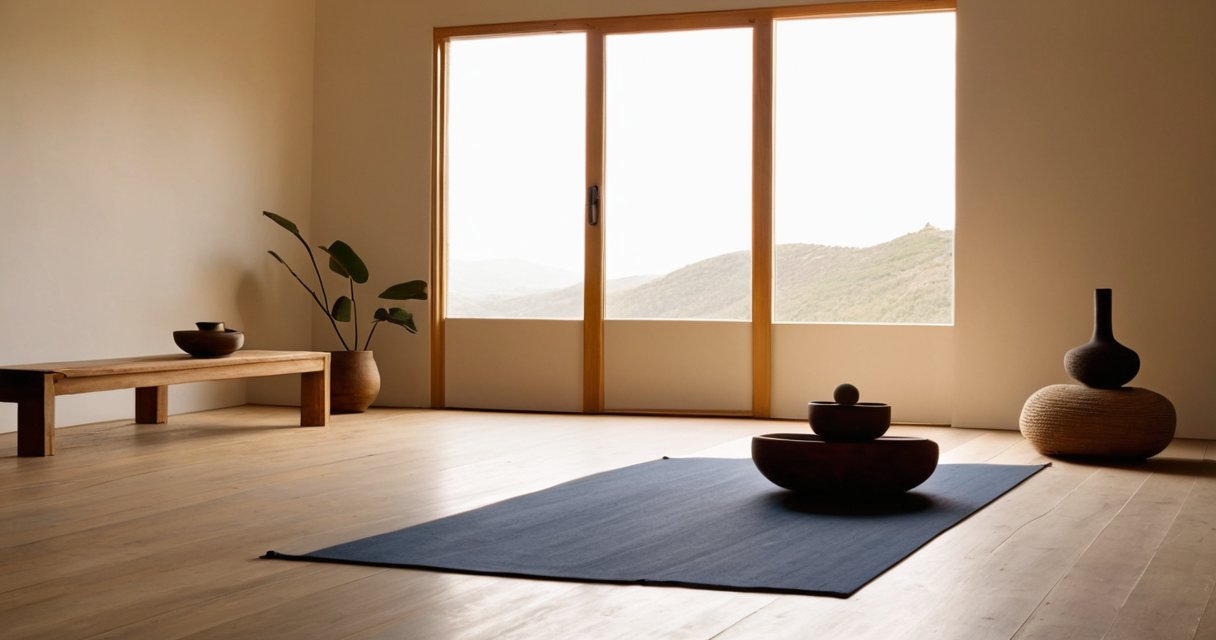
In the realm of arts and Zen, the principles of simplicity, spontaneity, and impermanence underpin many modern artistic movements, from abstract painting to performance art. Zen encourages artists to embrace the moment and express authenticity through their work, often resulting in pieces that convey serenity and depth with minimal elements. This approach diverges from conventional complexity and instead celebrates subtlety and balance, which deeply resonates with audiences seeking calm amidst the fast pace of modern life.
The influence on design inspired by Zen is unmistakable across various industries. Architectural spaces, interior design, and product development frequently integrate Zen aesthetics characterized by clean lines, uncluttered environments, and natural materials. This creates serene, functional spaces that promote well-being and mindfulness. Designers who infuse Zen principles prioritize simplicity and purpose, fostering environments where users can experience clarity and peace, which is especially prevalent in the growing movement toward sustainable and thoughtful design.
Zen and creativity intersect powerfully in how modern creators approach their work with intention and awareness. By incorporating meditation and mindful practice, creative professionals enhance their focus and unlock innovative ideas that might otherwise be hindered by stress or distraction. This integration not only improves the quality of creative output but also encourages a healthier, more balanced lifestyle for artists, designers, and innovators alike.
Popular culture around the world reflects Zen’s pervasive impact, seen in the popularity of Zen-inspired mindfulness apps, literature, and even fashion. Zen culture offers a counterpoint to consumerism and information overload, emphasizing presence and simplicity as antidotes to modern challenges. This cultural shift highlights a growing global appreciation for Zen’s wisdom, proving its relevance far beyond its ancient origins and cementing its role as a vital influence in contemporary life.

I’ve always been fascinated by how ideas shape societies and how everyday interactions reflect deeper philosophical currents. As an editor, I love curating thoughtful pieces that explore the intersection of community life and philosophical inquiry.