Understanding the Ego in Zen Teachings
In Zen teachings, the nature of the zen ego is examined with profound insight, revealing it as a primary obstacle to spiritual awakening. Zen philosophy posits that the ego is not a solid entity but rather an ego illusion fabricated by the mind to navigate the complexities of existence. This illusion fosters a sense of separateness, which in turn generates suffering and prevents the realization of one’s true nature as the buddhist self, an interconnected and ever-changing process without fixed boundaries.
The impact on personal enlightenment is significant because strong identification with the ego keeps practitioners trapped in dualistic thinking. They remain unable to experience the non-dual awareness that Zen seeks to cultivate through direct insight. Daily life experiences become colored by this attachment, leading to stress, anxiety, and interpersonal conflicts as individuals strive to protect and enhance their illusory self-image at every turn.
By engaging in practices such as zazen meditation, one can observe the arising and passing of ego-driven thoughts without attachment or judgment. This observation gradually erodes the power of the ego illusion, allowing for greater freedom and clarity in both solitary reflection and social engagement. Zen philosophy emphasizes that releasing these patterns opens the door to authentic presence and reduces the mental chatter that dominates ordinary awareness.
Furthermore, Zen masters often use koans and paradoxical statements to challenge the student’s reliance on the zen ego. Through such methods the buddhist self is revealed as empty of inherent existence, promoting a life lived in harmony with the present moment rather than in pursuit of egoic goals like status or validation. This shift transforms challenges, relationships, and even mundane tasks by infusing them with mindfulness and equanimity.
Ultimately, dissolving the ego illusion paves the way for profound peace and enlightenment while fostering compassionate interactions within society. The teachings guide practitioners toward recognizing that true liberation arises when the constructed self is seen through and released.
Ego’s Influence on Societal Structures
The manifestation of ego in societal structures is a key topic in Zen teachings. According to these perspectives, the collective ego is responsible for many of the divisions seen in modern life. It influences social norms by establishing unwritten rules that encourage comparison and judgment among people. This leads to hierarchies that are based not on merit or wisdom but on the need to assert dominance and secure a sense of superiority. Cultural expectations play a similar role, pressuring individuals to conform to ideals that bolster their social identity while ignoring their inner truth.
In Zen society, there is a call to dismantle these ego-based systems through mindful awareness. The society ego manifests in everything from class distinctions to professional ladders, where climbing the ranks becomes a substitute for spiritual growth. By recognizing this pattern, practitioners can work towards a more balanced community where ego does not dictate one’s place or value. Social identity, when tied to ego, creates barriers to empathy and understanding, as people defend their groups fiercely.
Expanding further, Zen views hierarchies as temporary and empty of inherent existence, much like the ego itself. Cultural expectations around marriage, education, and wealth are seen as sources of suffering when clung to rigidly. A shift in perspective can help society move beyond these limitations, embracing simplicity and equality instead. This approach not only benefits the individual but also transforms the collective, reducing conflict arising from ego clashes.
Through meditation and reflection, one learns to see the collective ego at work in societal dynamics. This awareness is the first step to liberation from its hold, paving the way for structures that support awakening rather than delusion. Ultimately these insights promote communal harmony grounded in presence over status.
Zen Meditation Techniques to Dissolve Ego
Zen meditation serves as a powerful pathway for individuals seeking ego dissolution and lasting inner peace. By engaging in consistent practice, practitioners gradually release the attachments that reinforce a sense of separate self. This process begins with understanding how the ego constructs barriers between the individual and the surrounding world, often leading to unnecessary conflict both internally and within society.

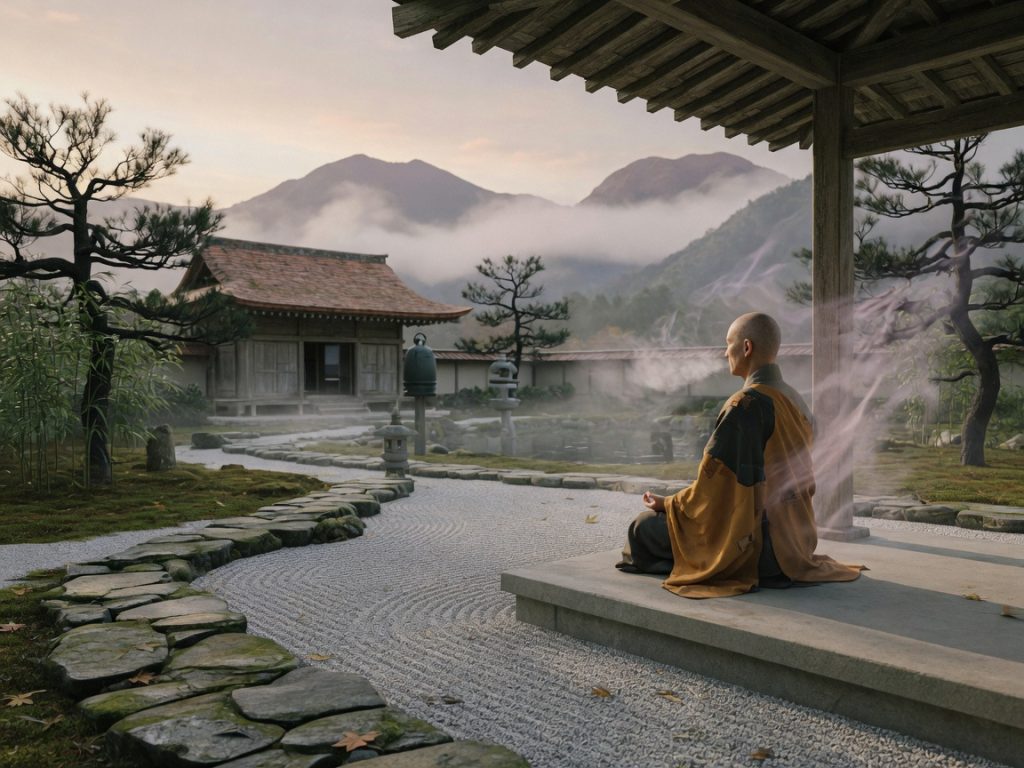
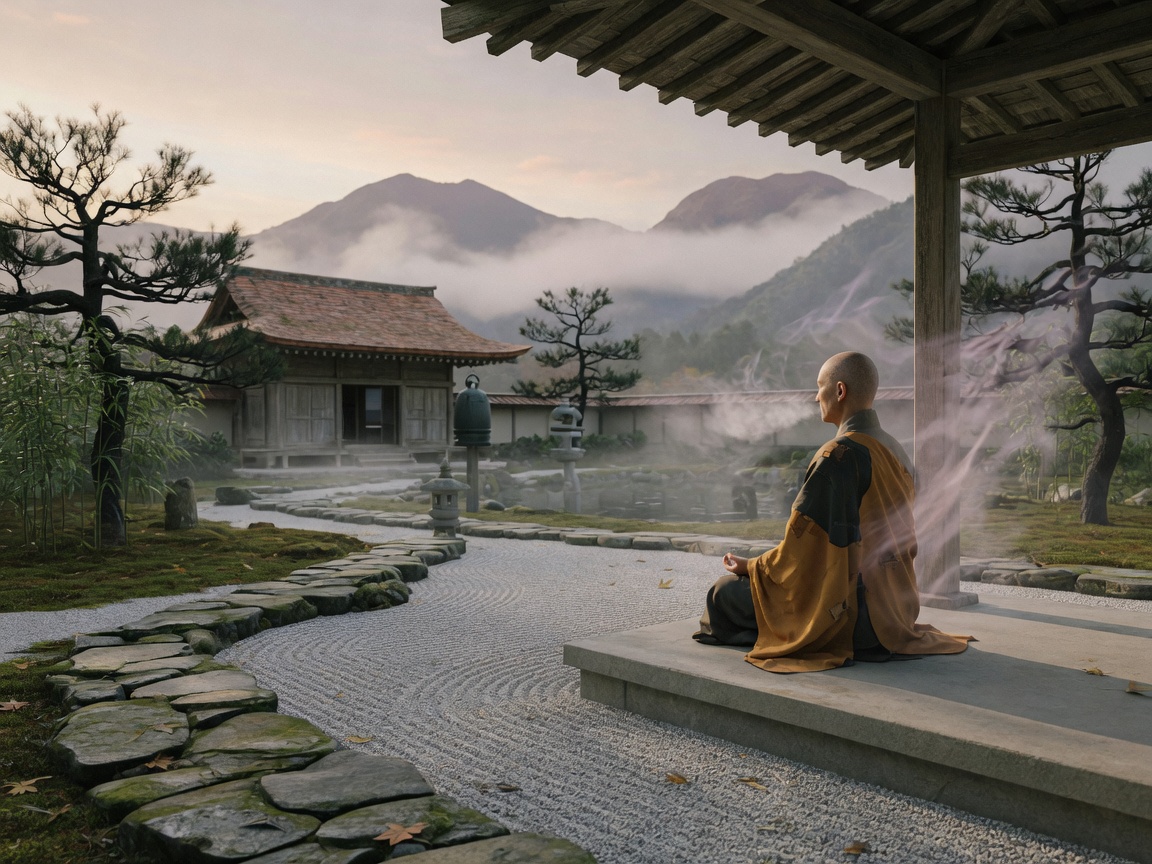
Central to these methods is zazen practice, the foundational seated meditation of Zen tradition. To begin, find a quiet space and sit in a stable posture with the spine upright. Focus attention on the natural rhythm of the breath, allowing thoughts to arise and pass without engagement. This simple yet profound technique trains the mind to observe the ego’s narratives from a distance, revealing their transient nature and diminishing their hold over daily experience.
Mindfulness zen extends these principles into everyday awareness. During routine activities such as walking or eating, maintain present-moment attention by noticing sensations, sounds, and movements without labeling them as “mine.” Such integration helps dissolve ego attachments by interrupting habitual patterns of self-centered thinking. Over time, this fosters a deeper recognition that the self is interconnected with all beings, reducing feelings of isolation and promoting genuine compassion.
To advance ego dissolution through zen meditation, practitioners are advised to dedicate at least twenty minutes daily to zazen practice. When distracting thoughts about status, desires, or past grievances surface, gently return focus to the breath. This repeated letting go weakens the ego’s grip and cultivates equanimity. As inner peace emerges, individuals often notice improved relationships and a reduced need for external validation.
Advanced students may incorporate koan contemplation alongside mindfulness zen to further challenge fixed notions of identity. By questioning assumptions about who “I” am, the mind opens to non-dual awareness. Regular engagement with these techniques ultimately transforms one’s relationship with society, replacing ego-driven competition with harmonious coexistence grounded in shared humanity.
Applying Zen Wisdom to Modern Social Issues
In today’s interconnected world, integrating Zen teachings on the ego provides valuable tools for confronting contemporary challenges such as inequality and conflict. By understanding how the ego creates artificial divisions, individuals and communities can move toward greater equity and understanding within a zen society. This approach emphasizes self-awareness as a foundation for social change, encouraging people to question their own assumptions and privileges that often sustain systemic imbalances.
Modern zen practices offer practical methods to address these issues by promoting detachment from ego-driven desires for status and control. When applied to inequality, these teachings highlight the illusion of separation, inspiring actions that prioritize shared resources and opportunities. Leaders and citizens alike benefit from mindfulness exercises that reveal how personal ego contributes to broader disparities, fostering policies rooted in compassion rather than competition. Such integration helps build resilient communities capable of tackling economic and social gaps with clarity and purpose.
Ego in relationships frequently amplifies conflicts at every level, from family dynamics to international disputes. Through modern zen, practitioners cultivate the ability to listen without defensiveness, reducing misunderstandings that escalate tensions. This shift supports social harmony by replacing reactive behaviors with empathetic engagement. In practice, meditation on impermanence allows individuals to release grudges and power struggles, paving the way for collaborative solutions that honor diverse perspectives while diminishing the root causes of division.
Ultimately, a zen society thrives when these principles guide collective efforts against injustice. By weaving ego awareness into education, activism, and daily interactions, modern zen equips people to transform conflict into connection and inequality into balanced coexistence. Consistent application of these teachings not only heals personal wounds but also strengthens societal bonds, creating lasting pathways to peace and mutual respect across all communities.
Real-Life Examples of Zen Teachings in Society
Throughout history, zen masters have offered profound zen examples of transcending ego in everyday societal interactions. One classic ego story comes from Bodhidharma, who famously confronted Emperor Wu of China. The emperor expected recognition for his temple-building efforts, yet Bodhidharma declared these acts held no merit, underscoring that genuine Zen practice rejects ego-driven validation within society zen structures. This encounter remains a timeless illustration of how Zen teachings dismantle pride in public life.
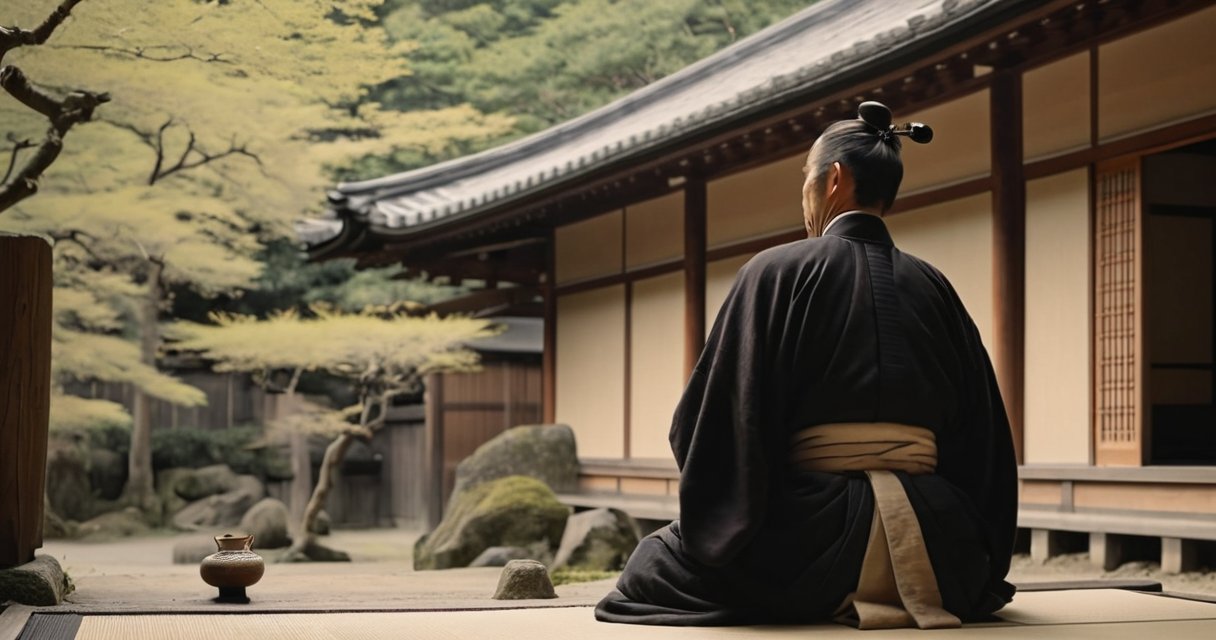
Another powerful narrative involves the Japanese master Bankei, who taught peasants and samurai alike without distinction. When confronted by a boastful nobleman seeking spiritual status, Bankei responded with simple silence, demonstrating that ego stories dissolve when one refuses to engage societal hierarchies. Such zen examples reveal how Zen principles foster humility amid feudal Japan’s rigid class systems, allowing society zen to prioritize compassion over personal glory.
In contemporary settings, zen masters continue influencing modern contexts. Thich Nhat Hanh applied Zen teachings during the Vietnam War era, urging activists to release ego attachments for collective peace efforts. Today, business leaders draw on these zen examples by integrating mindfulness retreats, reducing competitive egos to build collaborative workplaces. These society zen applications show reduced conflict and enhanced community bonds.
Additional ego stories emerge from urban meditation groups where diverse professionals practice non-attachment during heated discussions. By embodying Zen wisdom, participants navigate social tensions without defensiveness, proving that ancient principles thrive in current societal challenges. Collectively, these accounts affirm Zen’s enduring role in reshaping ego within both historical and present-day environments, promoting harmony through selfless engagement.

I’ve always been fascinated by how ideas shape societies and how everyday interactions reflect deeper philosophical currents. As an editor, I love curating thoughtful pieces that explore the intersection of community life and philosophical inquiry.