

Mindfulness and collective responsibility are two concepts that, when intertwined, can lead to profound social change. As societies face increasingly complex challenges such as climate change, social inequality, and political unrest, the need for a mindful approach to collective responsibility becomes more pressing. This article explores how mindfulness can enhance our sense of collective responsibility, fostering a more compassionate and engaged society.
The Essence of Mindfulness in Society
Mindfulness, at its core, is the practice of being fully present in the moment and aware of one’s thoughts, feelings, and surroundings without judgment. In a societal context, mindfulness encourages individuals to step back from their daily distractions and reflect on the impact of their actions on others and the community as a whole. This heightened awareness can lead to a deeper understanding of social issues, allowing individuals to engage more thoughtfully and empathetically with their environment. For instance, practicing mindfulness can help individuals recognize their biases and assumptions, leading to more inclusive interactions and decisions that consider the needs of diverse populations.
Moreover, mindfulness fosters emotional regulation, which is crucial in managing conflict and navigating complex social dynamics. By cultivating a calm and centered mindset, individuals can respond to challenges with greater clarity and compassion, rather than reacting impulsively. This shift in perspective not only benefits personal relationships but also enhances group cohesion, promoting a more harmonious society where collective responsibility thrives.
Understanding Collective Responsibility
Collective responsibility refers to the shared obligation of individuals within a community to contribute to the welfare of that community. This concept emphasizes that the actions of one individual can significantly affect the larger group, highlighting the interconnectedness of society. Collective responsibility is often invoked in discussions about environmental sustainability, social justice, and community welfare, where collective action is essential for meaningful change. For example, initiatives aimed at reducing carbon footprints often require individuals to take responsibility for their consumption patterns, thereby reinforcing the idea that personal choices have broader implications for the planet.
In many cultures, collective responsibility is rooted in traditional values that emphasize community over individualism. This perspective can serve as a foundation for modern movements advocating for social change, as it encourages individuals to recognize their role within a larger societal framework. By fostering a sense of belonging and shared purpose, communities can mobilize collective efforts to address pressing issues, from poverty alleviation to climate action, reinforcing the importance of working together for the common good.
The Interplay Between Mindfulness and Collective Responsibility
The relationship between mindfulness and collective responsibility is reciprocal; mindfulness can enhance our understanding of collective responsibility, while a commitment to collective responsibility can deepen mindfulness practices. When individuals adopt a mindful approach, they become more attuned to the needs and struggles of others, fostering a sense of empathy that is essential for collective action. For instance, when individuals practice mindfulness in community settings, they are more likely to listen actively and engage with diverse perspectives, leading to more collaborative and inclusive decision-making processes.
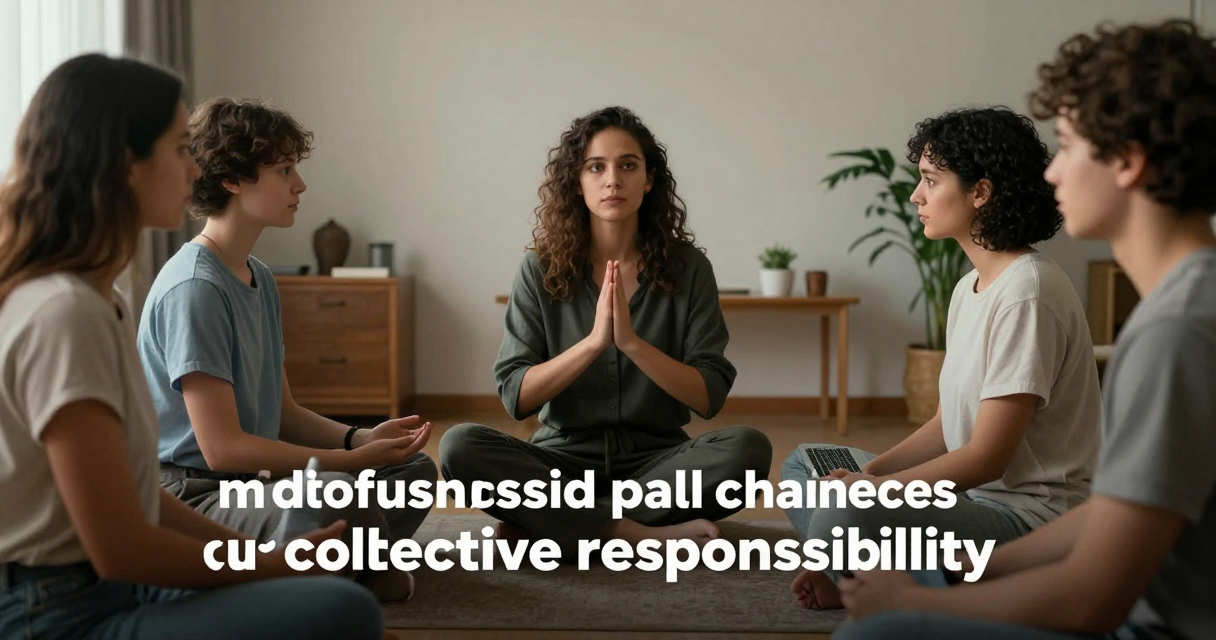
Conversely, when individuals embrace collective responsibility, they often find themselves more motivated to practice mindfulness. The desire to contribute positively to the community can encourage individuals to cultivate awareness and presence, allowing them to engage more fully in their actions. This cycle of mindfulness and collective responsibility creates a virtuous circle that empowers individuals to take meaningful actions that benefit both themselves and their communities.
Mindfulness as a Tool for Social Change
Mindfulness practices can serve as powerful tools for social change by equipping individuals with the skills needed to navigate complex social issues. Programs that integrate mindfulness into community service initiatives have been shown to enhance participants’ ability to address challenges such as poverty and inequality. By fostering a sense of presence and awareness, these programs encourage individuals to engage with their communities more deeply, leading to more thoughtful and effective interventions. For example, mindfulness training can help volunteers in social services become more attuned to the needs of those they serve, allowing for more compassionate and effective support.
Furthermore, mindfulness can play a crucial role in conflict resolution. In settings where tensions run high, such as community disputes or political disagreements, mindfulness practices can help individuals regulate their emotions and approach discussions with a clearer mindset. This can lead to more constructive dialogues and solutions that consider the perspectives of all parties involved. By promoting understanding and empathy, mindfulness can transform potentially divisive situations into opportunities for collaboration and collective action.
Collective Responsibility in the Age of Global Challenges
As the world grapples with global challenges, such as climate change and social injustice, the need for collective responsibility has never been more critical. These issues are inherently complex and interconnected, requiring a concerted effort from individuals, communities, and nations to address them effectively. Mindfulness can serve as a guiding principle in these efforts, encouraging individuals to reflect on their roles and responsibilities within the larger context of global citizenship. By recognizing that our actions, no matter how small, can contribute to significant change, individuals can be inspired to take action that aligns with their values.
For example, movements aimed at climate action often emphasize the importance of individual choices, such as reducing waste or supporting sustainable practices. Mindfulness encourages individuals to reflect on their consumption habits and consider the environmental impact of their decisions. This awareness can lead to more sustainable lifestyles and greater advocacy for systemic change, reinforcing the idea that collective responsibility is essential for addressing global challenges.
Building a Mindful Society Through Education
Education plays a pivotal role in fostering mindfulness and collective responsibility within society. Integrating mindfulness practices into educational curricula can equip future generations with the tools needed to navigate social complexities and engage in collective action. Programs that teach mindfulness not only enhance students’ emotional regulation and focus but also promote empathy and social awareness. For instance, schools that implement mindfulness training often report improved student behavior and increased academic performance, as students become more engaged and present in their learning environments.

Moreover, educational initiatives that emphasize collective responsibility can inspire students to take action within their communities. Projects that encourage students to engage in service learning or environmental stewardship foster a sense of ownership and commitment to their communities. By instilling these values early on, we can cultivate a generation of mindful citizens who understand the significance of their contributions to society and are motivated to work towards the common good.
The Future of Mindfulness and Collective Responsibility
The future of mindfulness and collective responsibility lies in our ability to integrate these concepts into every aspect of society. As we face unprecedented challenges, the need for individuals to act with awareness and compassion becomes increasingly urgent. Communities that prioritize mindfulness and collective responsibility can foster resilience and adaptability, enabling them to navigate change and uncertainty more effectively. By creating spaces that encourage mindfulness practices and collective engagement, we can build a more compassionate and responsible society.
Ultimately, the journey towards a mindful society that embraces collective responsibility requires ongoing commitment and collaboration. Individuals, organizations, and governments must work together to create environments that support mindfulness practices and promote a culture of shared responsibility. As we move forward, the interplay between mindfulness and collective responsibility will be essential in shaping a more just, equitable, and sustainable future for all.

I’ve always been fascinated by how ideas shape societies and how everyday interactions reflect deeper philosophical currents. As an editor, I love curating thoughtful pieces that explore the intersection of community life and philosophical inquiry.