

The quest for meaning is a fundamental aspect of the human experience, one that has been explored through various philosophies and spiritual practices. Zen Buddhism, with its emphasis on mindfulness and present-moment awareness, offers a unique lens through which to understand this search. By integrating Zen principles into everyday life, individuals can uncover deeper insights and foster a sense of purpose. This guide outlines actionable steps for incorporating Zen practices into your journey toward finding meaning, along with common pitfalls to avoid and practical tips to enhance your experience.
Understanding Zen Philosophy
Before embarking on your journey, it’s essential to grasp the core tenets of Zen philosophy. At its heart, Zen emphasizes direct experience over theoretical knowledge. This means engaging with the world as it is, without the filters of preconceived notions or judgments. Zen encourages practitioners to cultivate a deep awareness of their thoughts and feelings, promoting a sense of clarity and tranquility. Familiarizing yourself with texts such as “Zen Mind, Beginner’s Mind” by Shunryu Suzuki can provide valuable insights into this philosophy. Understanding these principles sets the foundation for meaningful practice, allowing you to explore your inner landscape with greater depth.
In Zen, the concept of ‘no-self‘ plays a crucial role in understanding the nature of existence. This idea suggests that clinging to a fixed identity can lead to suffering, while embracing the fluidity of being opens up new avenues for meaning. Engaging with these concepts can help you navigate your own identity and its relationship to the broader social context, fostering a sense of connection and belonging.
Establishing a Daily Zen Practice
To effectively integrate Zen into your life, establishing a daily practice is vital. Begin with meditation, a cornerstone of Zen practice. Start with just five to ten minutes each day, gradually increasing the duration as you become more comfortable. Find a quiet space, sit comfortably, and focus on your breath. Whenever your mind wanders, gently redirect your attention back to your breathing. This practice fosters mindfulness, allowing you to observe your thoughts without judgment. Over time, you will develop a greater awareness of your internal dialogue and how it influences your search for meaning.
In addition to meditation, incorporating mindful activities into your daily routine can deepen your experience. Whether it’s eating, walking, or even washing dishes, approach these tasks with full attention. Notice the sensations, sounds, and sights involved in each activity. By practicing mindfulness in everyday moments, you cultivate a heightened awareness of life, which can lead to unexpected insights and a greater appreciation for the present.
Exploring Nature as a Zen Practice
Nature serves as a profound teacher in Zen philosophy. Spending time outdoors can enhance your sense of connection to the world and provide clarity on your search for meaning. Begin by scheduling regular walks in natural settings, whether it’s a local park or a hiking trail. As you immerse yourself in nature, practice being fully present. Observe the details around you, the rustling leaves, the colors of the sky, the texture of tree bark. This not only calms the mind but also helps you realize your place within the larger ecosystem.
Big Think: Harvard professor’s 6-step guide to Zen Buddhism | Robert Waldinger

Consider engaging in a practice known as ‘forest bathing’ or shinrin-yoku, which involves immersing yourself in a forest environment. Research has shown that spending time in nature can reduce stress and improve mental health, which can be instrumental in clarifying your values and aspirations. This connection with the natural world can reveal insights about your purpose and inspire a deeper appreciation for life.
Reflecting on Personal Values and Beliefs
Once you have established a Zen practice, it’s crucial to reflect on your personal values and beliefs. Take time to journal about what matters most to you. Ask yourself questions like: What brings me joy? What do I want to contribute to the world? What legacy do I wish to leave? By articulating your values, you create a roadmap for your search for meaning. This reflection aligns your actions with what you genuinely care about, allowing for a more authentic life.
Engaging in discussions with others about their beliefs can also provide valuable perspectives. Join community groups or online forums that focus on philosophy or spirituality. These interactions can help you refine your own beliefs and encourage you to explore ideas that resonate with your experiences. Zen emphasizes the importance of community, as shared insights can illuminate your path toward understanding your place in the social fabric.
Common Mistakes in the Search for Meaning
As you navigate your journey, be mindful of common pitfalls that can hinder your progress. One mistake is seeking meaning in external validation. It’s easy to fall into the trap of measuring your worth based on societal standards or the opinions of others. Remember that true meaning comes from within and is often discovered through introspection rather than external accolades.
Another common error is expecting immediate results from your Zen practice. The journey toward understanding oneself is often gradual and requires patience. Avoid the temptation to rush through your experiences; instead, embrace the process. Acknowledge that some days will feel more meaningful than others, and that’s perfectly normal. Allow yourself the grace to simply be, without the pressure of constant achievement.
Practical Tips for Deepening Your Zen Practice
To further enhance your Zen practice, consider incorporating additional techniques that resonate with you. Explore mindfulness apps or guided meditations that align with Zen principles. These resources can provide structure and support as you develop your practice. Additionally, participating in Zen retreats or workshops can offer immersive experiences that deepen your understanding and commitment.
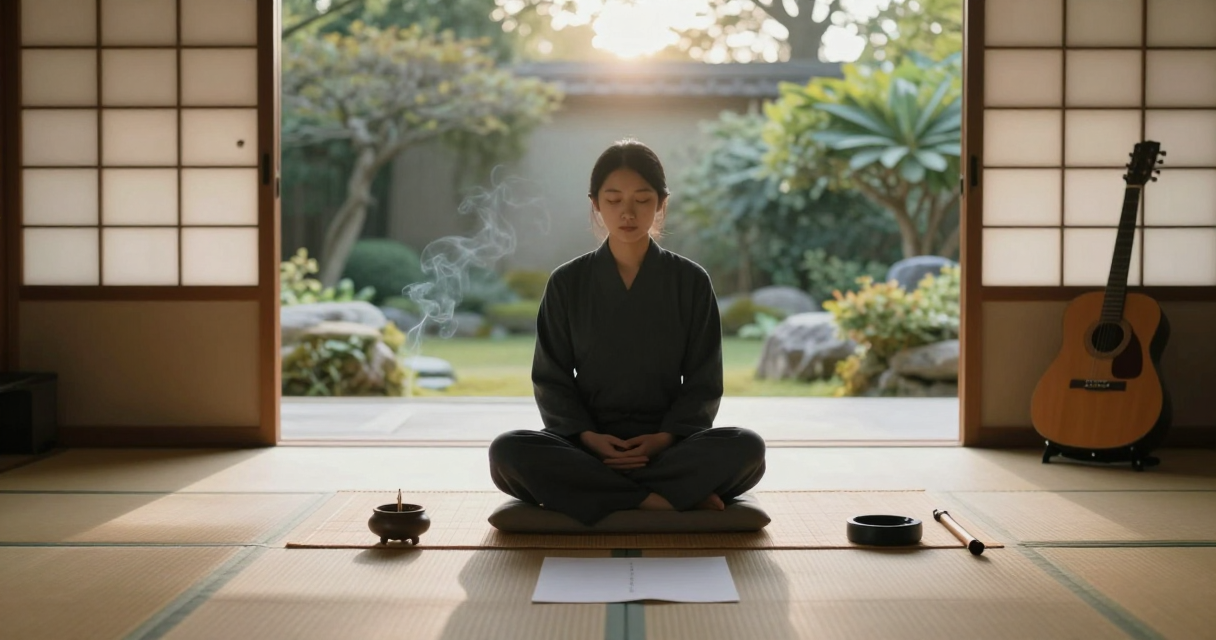
Engage in creative expressions such as art, writing, or music as a way to explore your inner thoughts and feelings. Creativity can serve as a powerful outlet for self-discovery, allowing you to express your evolving understanding of meaning. Remember that there are no right or wrong ways to express yourself; what matters is the authenticity of your exploration.
Building a Supportive Community
Finally, surrounding yourself with a supportive community can significantly impact your journey toward finding meaning. Seek out local Zen centers, meditation groups, or philosophical discussion circles. Engaging with others who share similar interests can provide encouragement and inspiration. These connections foster a sense of belonging, reminding you that you are not alone in your search.
Consider forming a small group of friends or acquaintances who are also interested in exploring Zen philosophy. Regularly meet to discuss your experiences, share insights, and practice meditation together. This communal aspect not only enhances your understanding but also reinforces the idea that the search for meaning is a shared human experience, one that is enriched by diverse perspectives and collective wisdom.

I’ve always been fascinated by how ideas shape societies and how everyday interactions reflect deeper philosophical currents. As an editor, I love curating thoughtful pieces that explore the intersection of community life and philosophical inquiry.