

In our contemporary society, the concept of stillness often seems like a distant memory. With the constant barrage of information, the relentless pace of life, and the demands of modern existence, the ability to find peace and quiet can feel nearly impossible. Yet, the practice of stillness is not merely a luxury; it is a necessary component of mental health and well-being. This article explores the significance of stillness in a busy society, examining its philosophical roots, practical applications, and the transformative effects it can have on individuals and communities.
The Philosophical Roots of Stillness
The notion of stillness is deeply embedded in various philosophical traditions. In Eastern philosophies, particularly Buddhism, stillness is often regarded as a gateway to enlightenment. The practice of meditation encourages individuals to quiet their minds, allowing them to connect with their true selves and the world around them. In Western philosophy, thinkers like Socrates and Aristotle emphasized the importance of reflection and contemplation as pathways to knowledge and virtue. This historical context underscores that the quest for stillness is not a modern phenomenon but a timeless pursuit that invites individuals to engage with their inner landscapes.
Stillness is not solely about physical quietness; it embodies a state of mental clarity and emotional stability. Philosophers argue that in a world dominated by noise and distraction, cultivating stillness can lead to deeper understanding and insight. This perspective is crucial as it highlights the interplay between external chaos and internal peace, suggesting that achieving stillness requires an active engagement with one’s thoughts and feelings.
The Impact of a Busy Society on Mental Health
The fast-paced nature of contemporary life has significant implications for mental health. Research indicates that chronic stress, often exacerbated by the demands of work, social media, and family responsibilities, can lead to anxiety, depression, and burnout. The World Health Organization has recognized burnout as an occupational phenomenon, emphasizing the need for strategies to mitigate its effects. In this context, the practice of stillness emerges as a counterbalance to the overwhelming stimuli that characterize modern existence.
For many, the inability to find stillness manifests in various symptoms, including difficulty concentrating, irritability, and a sense of being overwhelmed. Mental health professionals increasingly advocate for practices that promote stillness, such as mindfulness and meditation, as effective tools for managing stress and enhancing emotional resilience. By fostering a culture that values stillness, individuals can reclaim their mental well-being and cultivate healthier responses to life’s challenges.
The Mechanics of Practicing Stillness
Practicing stillness involves intentional actions that create the conditions for quietude. This can take various forms, from structured meditation sessions to spontaneous moments of reflection throughout the day. Mindfulness meditation, for instance, encourages individuals to focus on their breath and observe their thoughts without judgment, cultivating a sense of presence and awareness. This practice can be as simple as setting aside five minutes daily to sit in silence and connect with one’s breath.
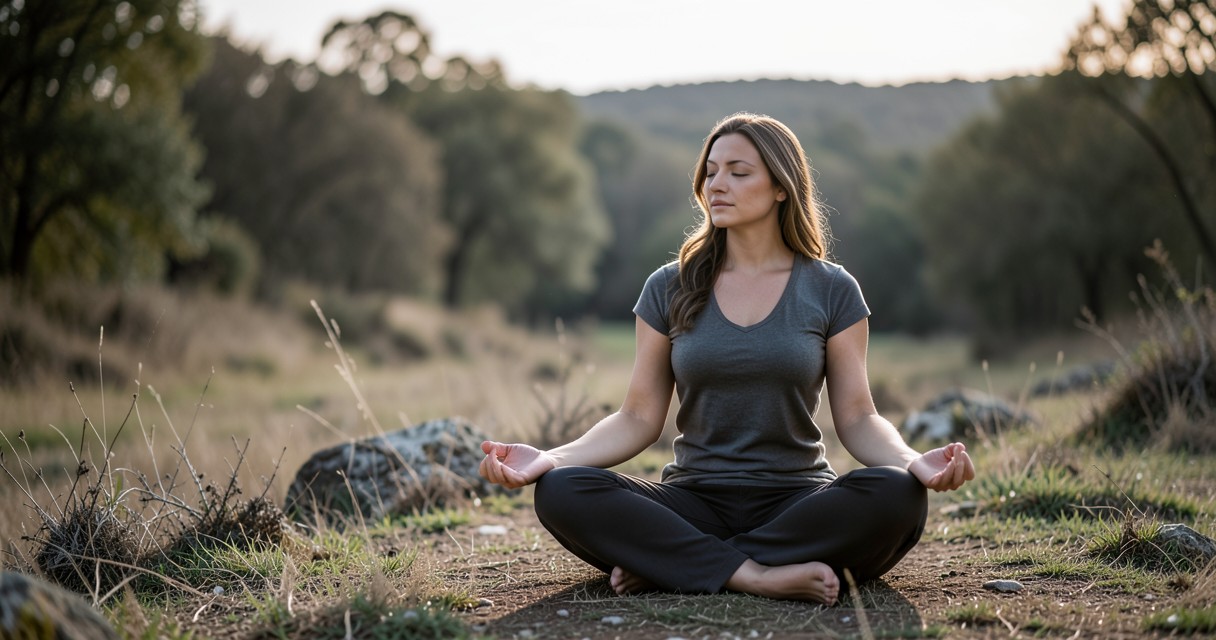
Beyond formal meditation, stillness can also be integrated into daily routines. Engaging in activities such as nature walks, journaling, or simply sitting in silence can foster a sense of calm. The key is to create a dedicated space and time for stillness, allowing individuals to step away from the chaos of daily life and reconnect with themselves. By making stillness a priority, individuals can develop a greater capacity for reflection and clarity in their decision-making processes.
The Role of Community in Cultivating Stillness
While stillness is often viewed as an individual practice, community plays a vital role in fostering an environment conducive to quiet reflection. Group meditation sessions, mindfulness workshops, and retreats provide opportunities for individuals to come together and share their experiences of stillness. These communal practices not only enhance individual experiences but also create a collective sense of peace and support.
Challenges to Achieving Stillness in a Modern Context
Despite the evident benefits of stillness, numerous challenges hinder its practice in a busy society. The pervasive influence of technology, particularly smartphones and social media, creates an environment where distraction is constant. Notifications, alerts, and the pressure to stay connected can make it difficult for individuals to carve out moments of quiet. This challenge is compounded by societal expectations of productivity and constant engagement, which often equate busyness with value.
Additionally, the stigma surrounding mental health can deter individuals from seeking stillness as a remedy for stress and anxiety. Many people may feel guilty for taking time to pause, viewing it as a luxury rather than a necessity. Overcoming these barriers requires a cultural shift that values stillness as an integral part of well-being, encouraging individuals to prioritize their mental health without shame or hesitation.
The Transformative Effects of Stillness
The practice of stillness can lead to profound transformations, both personally and socially. On an individual level, cultivating stillness can enhance self-awareness, emotional regulation, and overall mental clarity. Many who engage in regular stillness practices report increased creativity, improved focus, and a greater sense of purpose in their lives. These benefits are not only advantageous for personal well-being but can also enhance professional performance and interpersonal relationships.

At a societal level, embracing stillness can contribute to a more compassionate and mindful culture. As individuals learn to engage with their inner selves, they become more attuned to the needs of others. This heightened awareness can foster empathy and understanding, creating a ripple effect that encourages community support and collaboration. In this way, stillness becomes a catalyst for positive change, promoting a society that values mindfulness and connection over mere productivity.
Practical Steps to Cultivate Stillness in Daily Life
Integrating stillness into daily life does not require extensive time commitments or radical lifestyle changes. Starting small can often lead to significant shifts. Individuals can begin by setting aside a few minutes each day for mindful breathing or meditation. Gradually increasing this time can help deepen the practice. It can also be beneficial to create a dedicated space for stillness, whether it is a quiet corner at home or a peaceful outdoor spot.
Incorporating elements of nature into the practice can also enhance the experience of stillness. Nature has a calming effect on the mind and body, making it an ideal backdrop for quiet reflection. Engaging with the natural world, whether through walks in the park or simply sitting outside, can facilitate a deeper connection with oneself and the environment. By prioritizing these moments of stillness, individuals can cultivate a more balanced and fulfilling life amidst the busyness of society.

I’ve always been fascinated by how ideas shape societies and how everyday interactions reflect deeper philosophical currents. As an editor, I love curating thoughtful pieces that explore the intersection of community life and philosophical inquiry.