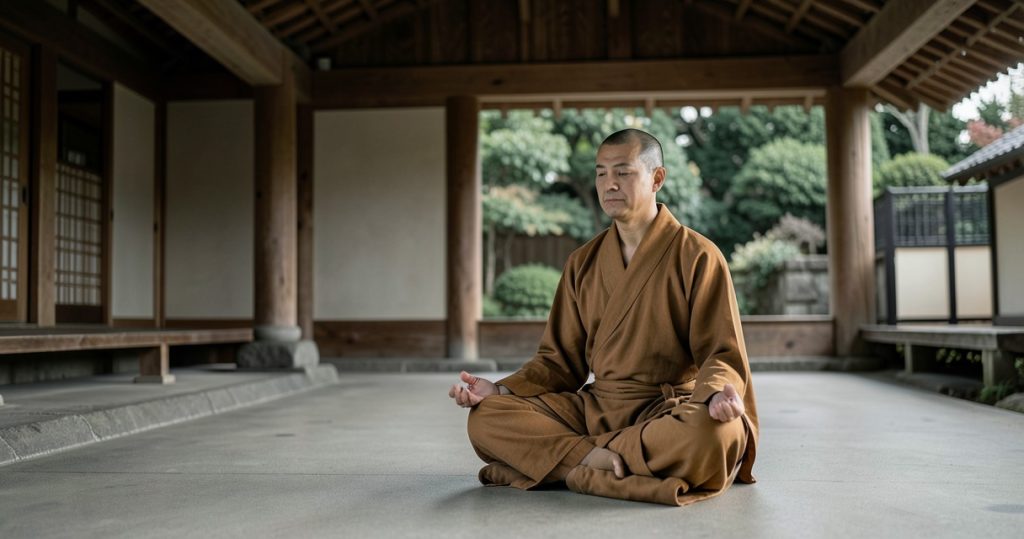
Zen philosophy, with its roots in Mahayana Buddhism, offers a distinctive perspective on the ethics of care that resonates deeply within contemporary social discourse. Zen’s focus on direct experience and mindfulness makes Community Building Through Zen Practice a tangible reality, shaping relationships and societal structures alike. This exploration reveals how Zen Reflections on Modern Lifestyles bridge ancient teachings with today’s ethical discussions on empathy and justice.
Historical Roots of Care in Zen Tradition
The emergence of Zen in China during the 6th century introduced a meditative approach that diverged from earlier scholastic Buddhist schools, prioritizing sudden insight over ritualized doctrine. Early masters such as Bodhidharma and Huineng emphasized the importance of seeing one’s own mind clearly, a practice that naturally extended to how practitioners relate to others. Historical records indicate that monasteries served as communal hubs where laypeople received food, education, and medical assistance, reflecting an institutionalized form of care rooted in the monastic ideal of compassion. These early interactions set a precedent for viewing care as a reciprocal flow rather than a hierarchical charity.
As Zen spread to Japan in the 12th century, the establishment of temple networks reinforced the social function of caring. Samurai patronage often required temples to provide spiritual guidance and practical support during times of war and famine. The famous Zen master Dōgen, founder of the Sōtō school, wrote extensively about the interdependence of all beings, insisting that the practice of zazen (seated meditation) should manifest in ethical conduct toward neighbors. Dōgen’s insistence that “practice and enlightenment are one” underscored the idea that caring is inseparable from personal cultivation, a concept that continues to influence contemporary Zen communities.
Core Zen Concepts that Shape an Ethics of Care
Zen’s emphasis on “no‑self” (anatta) destabilizes the conventional ego that often underlies selfish behavior, creating space for genuine concern for others. By recognizing that the boundaries between self and other are fluid, practitioners are encouraged to respond to suffering with immediacy rather than abstraction. This philosophical stance aligns with the concept of “interbeing,” popularized by Thich Nhat Hanh, which describes the mutual co‑arising of all phenomena. In practical terms, interbeing invites individuals to examine how their daily actions, such as the way they speak, eat, or consume resources, affect the broader community, fostering a mindful form of care that extends beyond personal relationships.
The Zen principle of “right effort” (samyak‑prāṇā) further informs an ethics of care by urging practitioners to cultivate wholesome mental states while discarding harmful habits. Right effort is not a rigid rule but a dynamic balance, requiring continuous self‑assessment and adjustment. When applied to social contexts, this principle translates into proactive engagement with societal issues, encouraging activists and policymakers to adopt strategies that reduce harm and promote well‑being. By integrating right effort into everyday decision‑making, Zen provides a framework for sustainable, compassionate action that resists burnout and superficial activism.
The Relationship Between Compassion (karuṇā) and Care
Compassion, or karuṇā, occupies a central position in Buddhist ethics and is intricately linked with the Zen approach to care. Zen transforms care from mere emotional resonance into an intentional practice, embodying Ethical Living Through Zen Awareness in every response. Classical Zen texts describe compassion as a “doorway” that opens the heart, allowing practitioners to see the needs of others without judgment. This perspective transforms compassion from a passive sentiment into an active catalyst for service, encouraging actions such as volunteering, teaching, and environmental stewardship.

In contemporary Zen practice, compassion training often involves structured meditation techniques like “metta” (loving‑kindness) and “tonglen” (giving and receiving). These practices cultivate an inner reservoir of empathy that can be drawn upon during moments of social tension or personal conflict. Empirical studies from Japanese universities have shown that participants who engage in regular metta meditation report higher levels of prosocial behavior, suggesting a measurable link between cultivated compassion and concrete caring actions. Such findings reinforce the Zen claim that authentic compassion inevitably leads to responsible, community‑focused care.
Care Practices in Monastic and Lay Communities
Monastic Zen institutions traditionally embody care through communal rituals, shared meals, and collective work periods known as “samu.” During samu, monks and lay participants engage in tasks ranging from gardening to temple maintenance, turning ordinary labor into an expression of mindfulness and mutual support. This practice exemplifies how care can be woven into the fabric of daily life, eliminating the divide between spiritual exercise and practical service. Moreover, the egalitarian nature of samu reinforces the idea that every contribution, regardless of status, holds intrinsic value.
Lay Zen communities have adapted these monastic principles to modern settings, creating networks of “practice groups” that meet for meditation, discussion, and community outreach. In urban centers such as New York and Berlin, many groups organize food‑bank drives, refugee assistance programs, and environmental clean‑ups, all framed as extensions of their meditation practice. By linking spiritual discipline with tangible social initiatives, these groups demonstrate how Zen care can scale beyond temple walls, influencing broader civic engagement and fostering resilient, compassionate neighborhoods.
Zen Influences on Modern Social Ethics and Policy
Policy makers in several East Asian nations have drawn upon Zen-inspired concepts to shape welfare programs and environmental regulations. Japan’s Kominkan centers use Zen Approaches to Collective Wellbeing, integrating mindfulness workshops to enhance public health and social unity. Evaluations of these programs indicate a decline in reported anxiety levels and an increase in volunteerism among participants, highlighting the practical benefits of integrating Zen care into governmental strategies. Such evidence encourages other jurisdictions to consider similar approaches.
In the realm of corporate ethics, the rise of “mindful leadership” reflects a growing acknowledgment of Zen principles within business culture. Executives who adopt Zen meditation report improved decision‑making, heightened empathy toward employees, and a greater willingness to implement fair labor practices. A 2022 survey of Fortune 500 companies revealed that firms with formal mindfulness training experienced a 12 percent reduction in employee turnover, suggesting that caring leadership rooted in Zen mindfulness can yield measurable economic advantages. These trends illustrate how Zen ethics of care are reshaping institutional priorities on a global scale.
Comparative Insight: Zen Care and Western Care Ethics
Western care ethics, pioneered by philosophers such as Carol Gilligan and Joan Tronto, emphasize relational responsibility and contextual moral reasoning. While both traditions value empathy and interdependence, Zen introduces a distinctive non‑dual perspective that dissolves the subject‑object dichotomy. This philosophical nuance invites a more fluid understanding of responsibility, where caring actions arise spontaneously from an awareness of interbeing rather than from a prescribed duty. Consequently, Zen care can complement Western frameworks by offering a practice‑oriented pathway that reduces moral fatigue.

Critics argue that Zen’s emphasis on inner transformation may overlook structural injustices that require systemic change. However, contemporary Zen teachers increasingly address this tension by integrating social activism with meditation, advocating for policies that address poverty, climate change, and discrimination. By bridging contemplative practice with concrete reform, Zen demonstrates an evolving ethic of care that aligns with, yet expands, Western care theories, offering a holistic model that balances personal mindfulness with collective responsibility.
Emerging Challenges and Opportunities for Care in Zen
One of the pressing challenges facing Zen communities today is the risk of cultural commodification, where mindfulness practices are marketed without the accompanying ethical framework of care. This trend can dilute the original intent of Zen, reducing it to a productivity tool rather than a conduit for compassionate action. To counteract this, many teachers are emphasizing the inseparability of meditation and ethical conduct, insisting that authentic practice must include service to others and a commitment to social justice. Such efforts aim to preserve the integrity of Zen’s caring ethos amid a rapidly commercializing landscape.
At the same time, digital platforms present unprecedented opportunities for spreading Zen care across borders. Online meditation courses, virtual sanghas, and interactive forums enable practitioners in remote regions to access teachings and participate in collective care projects. Data from a 2023 study of global Zen networks show a 45 percent increase in cross‑cultural collaborations, ranging from disaster relief initiatives to environmental advocacy. These digital expansions suggest that Zen’s ethics of care can adapt to contemporary modes of communication, fostering a worldwide community of mindful, compassionate actors.

I’ve always been fascinated by how ideas shape societies and how everyday interactions reflect deeper philosophical currents. As an editor, I love curating thoughtful pieces that explore the intersection of community life and philosophical inquiry.