Zen offers a quiet discipline that can be turned outward, shaping how groups learn, adapt, and flourish together. When individuals bring the calm focus of meditation into communal spaces, the resulting dynamic can move a community beyond mere cooperation toward a shared evolution. This article walks you through the practical stages needed to embed Zen principles into the fabric of any collective, from neighborhood associations to workplace teams. By following each step you will develop a clear purpose, nurture attentive dialogue, create supportive habits, and monitor growth with the same precision that a seasoned practitioner applies to personal practice. The guide assumes you have basic exposure to meditation and a willingness to experiment with new social patterns.
Step One: Ground Your Personal Practice Before Leading Others
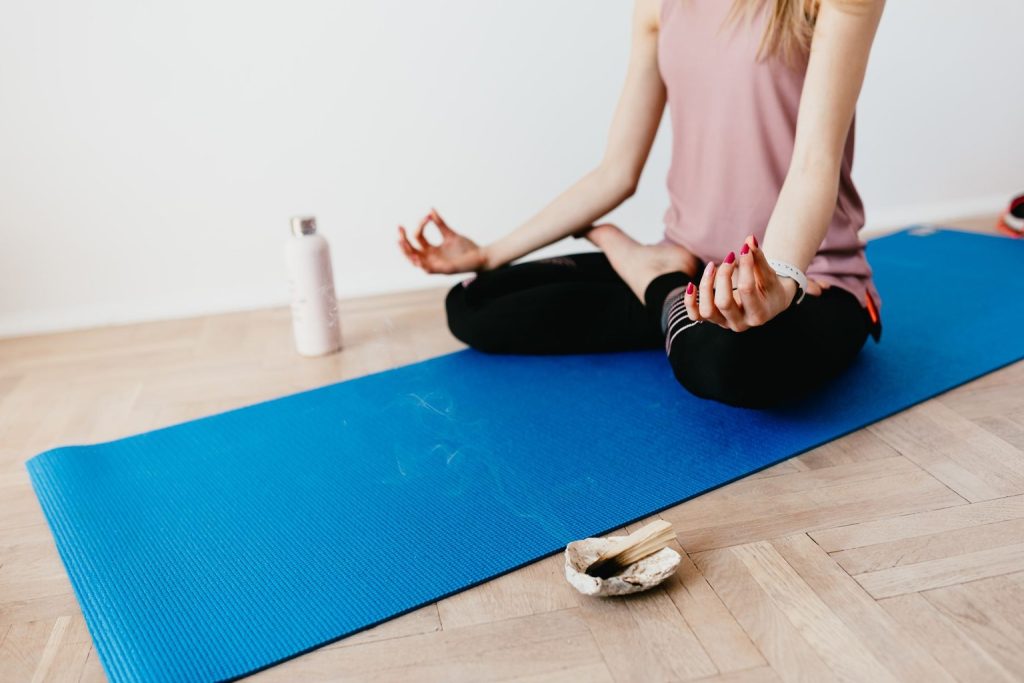
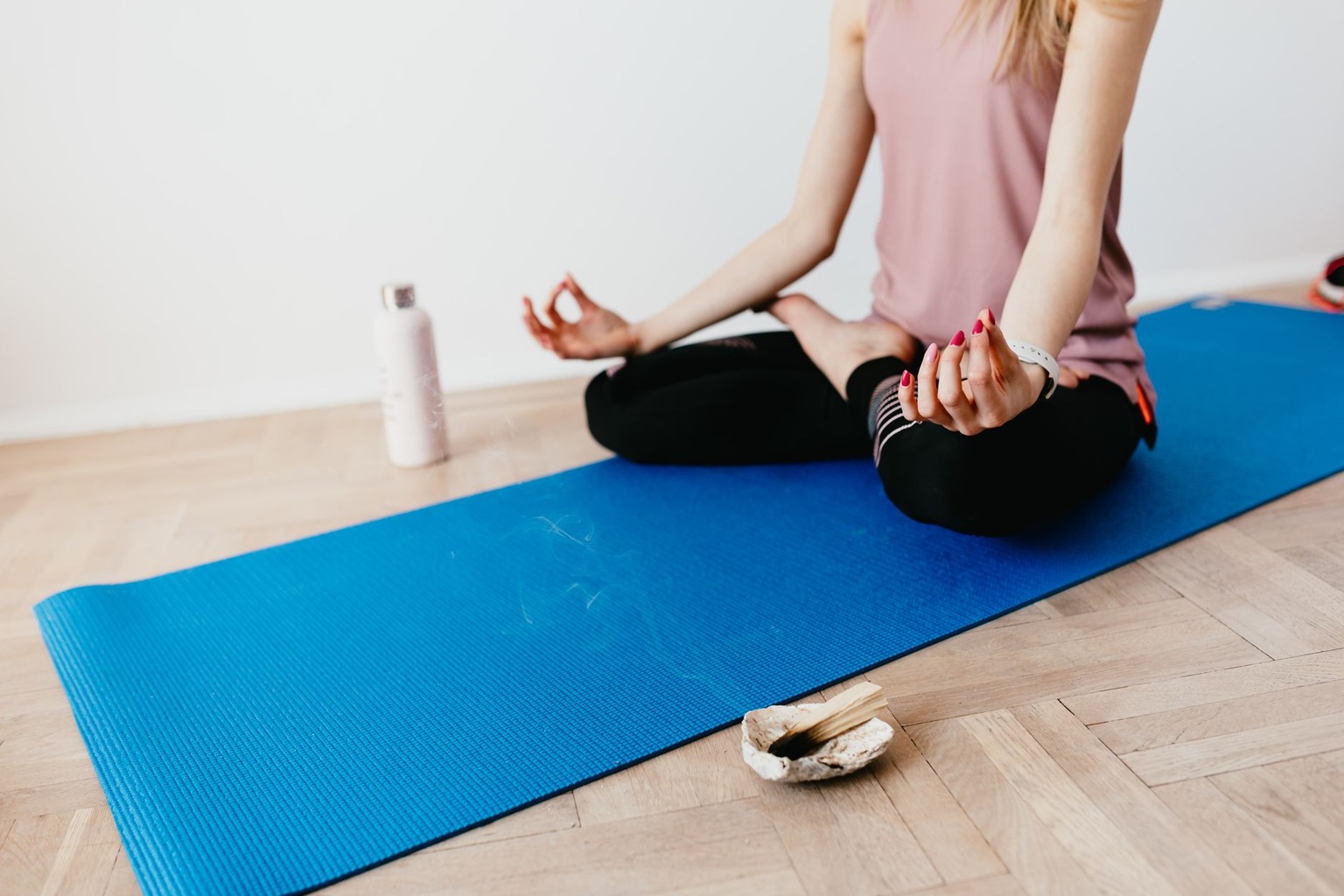
Before you can inspire a group, you must experience the steadiness that Zen cultivates within yourself. Set aside a daily period of quiet sitting, beginning with ten minutes and extending to thirty as comfort grows. During this time focus on the breath, notice thoughts without judgment, and return repeatedly to the present moment; this simple loop builds the mental muscle needed for patient leadership. Keep a brief journal noting moments of distraction and the strategies that restored focus, because awareness of your own habits will later become a teaching tool for the community.
Equally important is to translate the inner calm into everyday actions. Practice mindful walking while commuting, listen fully during conversations, and pause before reacting to stressful triggers. These habits demonstrate that Zen is not confined to a cushion but lives in ordinary interactions. When you model this integration, others see a tangible example of how serenity can coexist with active engagement, laying the groundwork for collective trust.
Step Two: Co‑Create a Shared Vision Rooted in Zen Values
The next phase involves gathering the group to articulate a purpose that reflects both collective ambition and Zen ideals such as interdependence, compassion, and non‑attachment. Facilitate a workshop where participants write down individual hopes, then guide the group to identify common threads. Use a simple board or digital canvas to cluster similar ideas, gradually shaping a concise statement that captures the collective’s direction without imposing a rigid hierarchy.
Once the vision is drafted, test its resonance by asking members to reflect on it during a short meditation. Invite them to notice any resistance or enthusiasm that arises, then adjust the wording to honor the authentic feeling of the group. This iterative process ensures the vision is not a top‑down decree but a living agreement that aligns personal mindfulness with communal goals.
Step Three: Establish Mindful Communication Protocols
Effective collaboration hinges on how information flows, and Zen teaches us to listen with full presence. Introduce a set of communication guidelines that prioritize silence before speaking, direct eye contact, and the use of “I” statements to own feelings. Begin each meeting with a brief breathing exercise lasting one to two minutes, allowing participants to settle into a shared calm before agenda items surface.
On the Path to Peaceful Living channel they explore this topic through a Zen story, and you can watch it right here.

To reinforce these habits, create a “pause button” practice where anyone can request a short break if tension spikes. During the pause, the group returns to a few deep breaths, resetting the emotional temperature. Over time, this ritual reduces reactive outbursts and cultivates an environment where ideas are examined rather than dismissed, fostering a culture of thoughtful exchange.
Step Four: Design Shared Practices That Embody Growth
Rituals give abstract values a concrete shape, and Zen offers a toolbox of practices that can be adapted for groups. Schedule a weekly “collective sitting” where members sit together in silence, followed by a brief sharing circle. Encourage participants to note personal insights that emerged during the silence and relate them to the group’s objectives, creating a feedback loop between inner experience and external action.
Complement the sitting with a rotating responsibility system that assigns each member a small stewardship role, such as preparing meeting space or summarizing discussion points. This rotation mirrors the Zen principle of non‑attachment to status, reminding the group that leadership is fluid and service‑oriented. By weaving these practices into the regular rhythm, the collective builds a habit of reflective action that supports sustainable development.
Step Five: Implement Simple Metrics to Track Collective Progress
Even in a philosophy‑driven setting, tangible indicators help the group see whether it is moving toward its vision. Choose a few key measures that reflect both quantitative and qualitative aspects, such as the number of collaborative projects completed, attendance rates at shared practices, and a quarterly survey of members’ sense of belonging. Keep the data collection process straightforward: a short online form after each meeting can capture immediate feedback without adding administrative burden.

Review the metrics in a dedicated “growth review” session held every three months. Present the numbers transparently, celebrate areas of improvement, and discuss obstacles openly. Use the insights to adjust rituals, communication norms, or vision statements, ensuring the collective remains adaptable. This feedback loop mirrors the Zen practice of continual refinement, where each cycle brings deeper clarity.
Step Six: Guard Against Common Pitfalls and Reinforce Resilience
Groups often stumble when enthusiasm wanes or when the original Zen principles become diluted by routine. One frequent mistake is allowing hierarchy to creep back in, undermining the egalitarian spirit that Zen promotes. To counter this, periodically revisit the shared communication protocols and rotate leadership roles, reminding members that authority is a responsibility, not a privilege.
Another risk is mistaking silence for inactivity. Encourage the group to view quiet moments as fertile ground for insight rather than empty time. When members feel stuck, suggest a brief meditation break to reset perspective. By normalizing these corrective actions, the collective develops a resilient mindset that can weather internal friction and external pressures, keeping the journey toward shared growth both steady and vibrant.

I’ve always been fascinated by how ideas shape societies and how everyday interactions reflect deeper philosophical currents. As an editor, I love curating thoughtful pieces that explore the intersection of community life and philosophical inquiry.