

Zen philosophy, often associated with mindfulness and meditation, provides a unique lens through which to explore social purpose. In a world increasingly defined by rapid change and social upheaval, Zen invites us to reflect on our roles within society and the greater good. This exploration is not merely academic; it has profound implications for how we engage with our communities, approach social justice, and cultivate meaningful connections with others. By examining the intersection of Zen principles and social purpose, we can uncover pathways toward a more compassionate and engaged society.
The Essence of Zen Philosophy
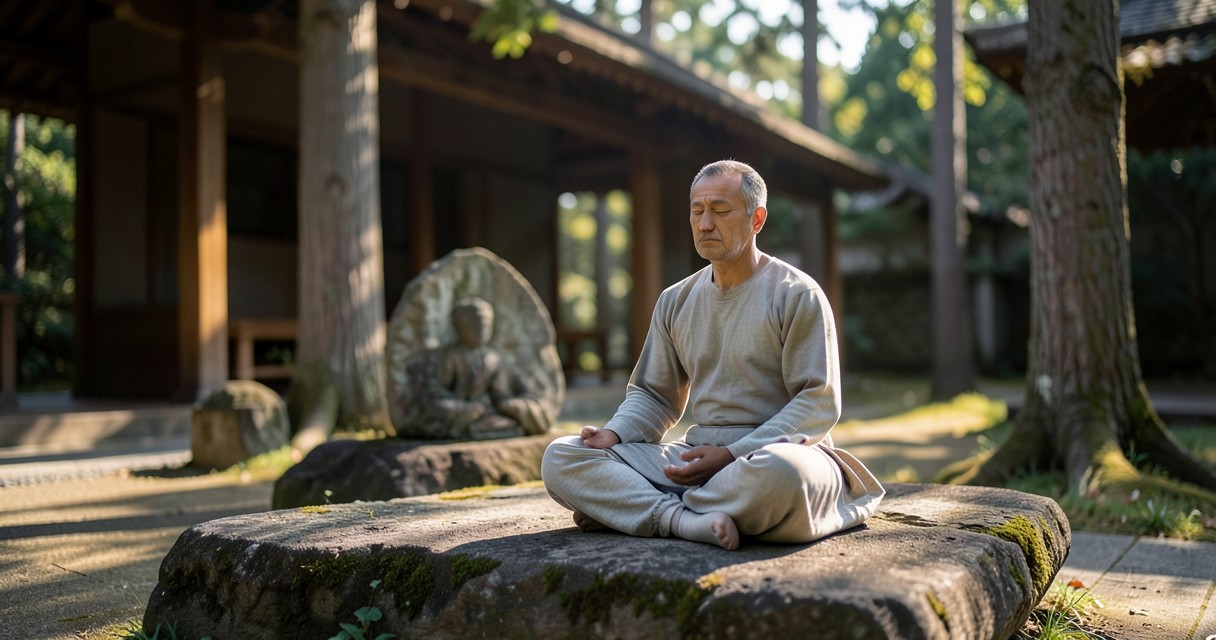
At its core, Zen is about direct experience and the practice of being present. This philosophy emphasizes simplicity, clarity, and the importance of seeing things as they are. Zen teaches that the mind often complicates our understanding of reality, leading to suffering and disconnection. By cultivating mindfulness, individuals can learn to observe their thoughts and feelings without judgment, fostering a deeper connection to themselves and the world around them. This perspective is crucial when considering social purpose, as it encourages individuals to act from a place of awareness rather than reactive impulse.
Moreover, Zen’s focus on interconnectedness highlights the importance of community. The Zen practice often emphasizes the collective experience, reminding practitioners that their actions impact not only their lives but also the lives of others. This interconnectedness forms the basis for understanding social responsibility, as individuals recognize that their well-being is tied to the well-being of their communities. Thus, Zen philosophy provides a foundational framework for exploring how personal mindfulness can translate into social action.
Mindfulness as a Tool for Social Engagement
Mindfulness, a key aspect of Zen practice, can serve as a powerful tool for social engagement. By fostering a heightened awareness of the present moment, individuals can become more attuned to the needs and challenges facing their communities. This awareness can lead to compassionate action, where one’s skills and resources are directed toward addressing social issues. For example, mindfulness can help individuals recognize when they can lend support, whether through volunteering, advocacy, or simply offering a listening ear to those in need.
In practical terms, mindfulness encourages active listening and empathy in conversations about social issues. When individuals approach discussions with an open and present mindset, they are more likely to engage with diverse perspectives. This engagement can bridge divides, fostering understanding and collaboration among different groups. Therefore, mindfulness not only enhances personal well-being but also strengthens social bonds, making it a vital component of any meaningful social purpose.
The Role of Compassion in Social Purpose
Compassion is a central tenet of Zen practice and plays a critical role in shaping social purpose. Zen teaches that compassion arises from a deep understanding of our shared humanity. When individuals recognize their common struggles and joys, they are more likely to act in ways that support collective well-being. This understanding can inspire actions that address systemic injustices, promote equality, and foster inclusivity.
For instance, the practice of compassion can manifest in various social movements, where individuals rally together to advocate for change. Historical examples abound, from the civil rights movement to contemporary climate justice initiatives, where compassion has driven individuals to unite for a common cause. These movements remind us that social purpose is not just about individual actions but about collective efforts to create a more just and equitable society. In this way, Zen philosophy enriches the understanding of social purpose by emphasizing the importance of compassion in driving social change.
Engaging with Social Justice through Zen Principles
Zen practice offers valuable insights for engaging with social justice issues. The principles of non-attachment and letting go can help individuals navigate the complexities of activism without becoming overwhelmed. In social justice work, it is easy to become attached to specific outcomes or to feel disheartened by setbacks. Zen encourages practitioners to focus on the process rather than the results, promoting resilience in the face of challenges. This perspective allows activists to remain committed to their causes while maintaining their well-being.
Additionally, Zen’s emphasis on non-violence aligns seamlessly with many social justice movements. The practice of responding to conflict with calmness and clarity can lead to more constructive dialogues and solutions. By embodying non-violent principles, individuals can advocate for change in ways that inspire rather than alienate. This approach not only enhances the effectiveness of social movements but also cultivates a culture of respect and understanding among diverse groups.
The Interplay of Personal Growth and Community Development
The journey of personal growth through Zen practice can significantly impact community development. As individuals cultivate mindfulness, compassion, and resilience, they become better equipped to contribute to their communities. This growth often leads to a ripple effect, where one person’s journey inspires others to explore their paths of self-discovery and social engagement. For example, community meditation groups can foster connections, promote dialogue, and encourage collective action toward shared goals.
Moreover, personal growth through Zen can lead to innovative solutions for community challenges. When individuals approach problems with a calm and open mind, they are more likely to think creatively and collaboratively. This can result in new initiatives that address local needs, such as community gardens, art projects, or educational programs. By integrating personal development with community engagement, Zen practitioners can create meaningful change that resonates on multiple levels.
The Global Context of Zen and Social Responsibility
As the world grapples with pressing issues like climate change, inequality, and conflict, the principles of Zen offer a framework for understanding global social responsibility. Zen encourages a holistic view of the world, recognizing the interconnectedness of all beings. This perspective urges individuals to consider how their actions affect not only their immediate communities but also the global community. For instance, the practice of mindfulness can lead to more sustainable choices, as individuals become aware of the environmental impacts of their consumption habits.

Furthermore, Zen’s teachings on impermanence can inform responses to global crises. Understanding that situations are ever-changing can inspire flexibility and adaptability in addressing complex issues. Rather than becoming paralyzed by despair, individuals can focus on what is within their control, taking small but impactful steps toward positive change. This global awareness rooted in Zen principles can mobilize individuals to advocate for systemic changes that promote justice and sustainability worldwide.
Integrating Zen Practice into Social Action
To effectively integrate Zen practice into social action, individuals can adopt various strategies that align with their values and goals. Participating in community service projects, engaging in advocacy, or supporting local initiatives are all ways to channel Zen principles into meaningful action. Additionally, creating spaces for dialogue and reflection within communities can foster a culture of mindfulness and compassion, encouraging others to join in social purpose efforts.
Workshops that combine Zen practices with social justice education can also be beneficial. These workshops can equip individuals with the tools to navigate social issues with mindfulness and compassion, empowering them to take action in their communities. By promoting an understanding of how Zen principles can inform social responsibility, practitioners can inspire a new generation of engaged citizens dedicated to creating a more equitable and compassionate world.

I’ve always been fascinated by how ideas shape societies and how everyday interactions reflect deeper philosophical currents. As an editor, I love curating thoughtful pieces that explore the intersection of community life and philosophical inquiry.