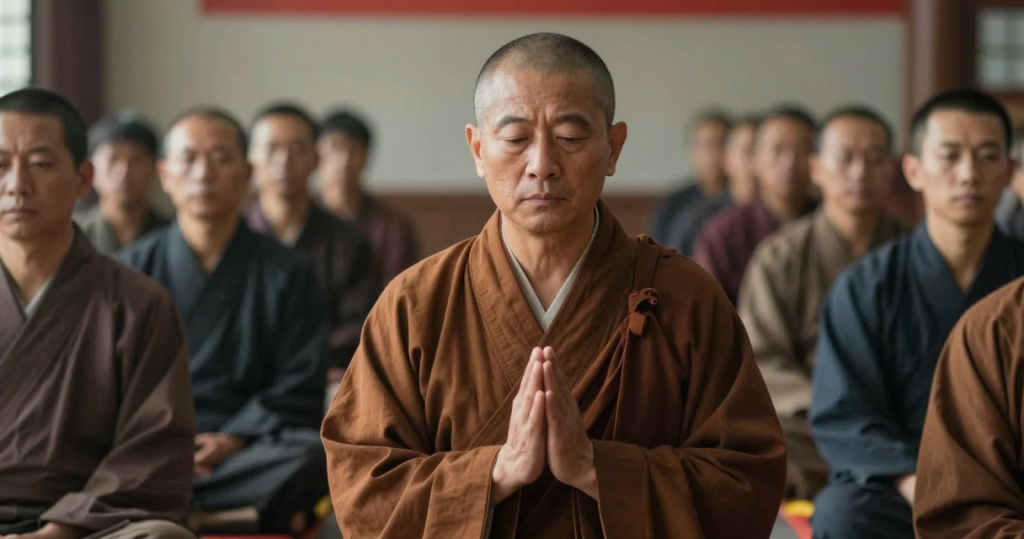
Zen, emerging from the broader Buddhist tradition, has long offered a lens through which societies can examine the subtle dynamics of respect. Unlike doctrinal systems that prescribe strict hierarchies, Zen emphasizes direct experience and the dissolution of egoic boundaries, creating a fertile ground for genuine mutual regard. When individuals encounter each other without the veil of preconception, the possibility of authentic dialogue expands, allowing communities to move beyond superficial tolerance toward deeper solidarity. This article explores how core Zen teachings translate into everyday social practice, providing concrete pathways for nurturing respect within families, workplaces, and public institutions.
Foundations of Zen and Social Harmony
At its heart, Zen stresses the practice of zazen, or seated meditation, as a means to observe the mind without judgment. This disciplined stillness reveals the interwoven nature of personal thoughts and collective sentiment, reminding practitioners that personal tranquility contributes to communal equilibrium. Historical records show that Zen monasteries in Japan often served as mediators during local disputes, applying the principle that a calm mind can resolve tension before it erupts into conflict. Modern sociologists cite these monastic interventions as early examples of restorative justice, where the focus lies on understanding rather than punishment, thereby fostering a culture of respect.
Zen also teaches the concept of “no-self,” which challenges the notion of a fixed, isolated identity. By recognizing that the self is a fluid assemblage of experiences, individuals become less likely to cling to rigid roles that can marginalize others. This philosophical shift encourages people to view each interaction as an opportunity to co‑create meaning, rather than as a battlefield for dominance. In societies where hierarchy often dictates behavior, the Zen perspective invites a rebalancing, allowing space for egalitarian exchange without erasing cultural traditions.
The Principle of Interdependence and Respect
Interdependence, or pratītyasamutpāda, lies at the center of Buddhist thought and resonates strongly within Zen practice. It asserts that every action, thought, and feeling arises in relation to countless other factors, implying that harm inflicted on another ultimately returns to the self. Communities that internalize this principle often adopt policies that prioritize collective well‑being, such as shared resource management or cooperative housing models. For instance, a neighborhood in Kyoto that adopted a mutual aid network reported a 30 percent reduction in conflicts over shared spaces within a single year, illustrating how awareness of interdependence can translate into measurable social peace.
When interdependence is acknowledged, respect becomes a natural consequence rather than a forced rule. Individuals begin to listen attentively, recognizing that each voice contributes to the larger fabric of communal life. This mindset aligns with the Zen teaching that “the moon does not shine for itself,” encouraging citizens to act with humility and generosity. By framing respect as an expression of interconnectedness, societies can move beyond token gestures toward sustained, reciprocal relationships.
Mindful Listening as a Path to Mutual Respect
Mindful listening, a practice cultivated in many Zen training halls, involves fully attending to another’s words without preparing an immediate response. Neuroscientific studies reveal that such listening activates brain regions associated with empathy, enhancing the ability to perceive subtle emotional cues. In a pilot program at a public high school, teachers who incorporated mindful listening into daily classroom routines observed a 15 percent increase in student‑reported feelings of being respected, alongside a decline in disciplinary incidents. These outcomes demonstrate that the simple act of hearing without judgment can reshape power dynamics within educational settings.
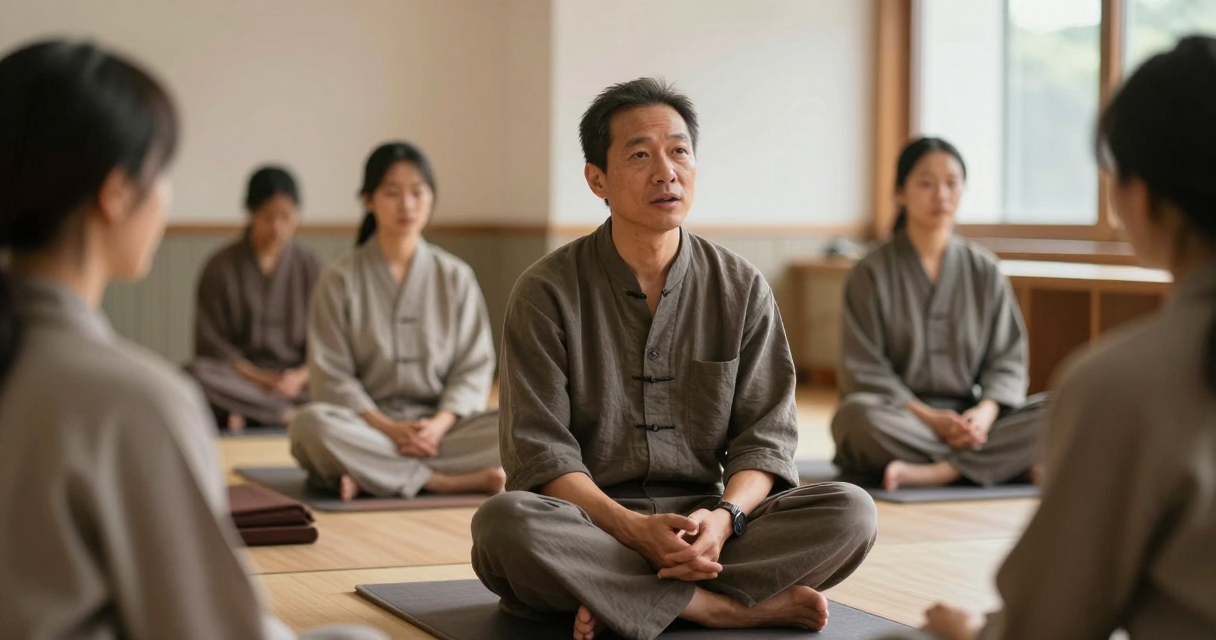
Beyond the classroom, mindful listening serves as a bridge across cultural and generational divides. In multicultural urban districts, community leaders who host “listening circles” report that participants develop a shared vocabulary for expressing grievances, reducing the frequency of misunderstandings. By grounding dialogue in present‑moment awareness, the Zen approach dismantles the habit of assuming intent, replacing it with curiosity. This shift not only mitigates conflict but also cultivates a climate where respect is continuously reaffirmed through attentive presence.
Compassionate Action in Community Life
Compassion, or karuṇā, is inseparable from respect in Zen philosophy; it translates insight into concrete deeds. When compassion is directed toward societal structures, it manifests as initiatives that address systemic inequities. For example, a Buddhist-inspired social enterprise in Malaysia established a job‑training program for formerly incarcerated individuals, emphasizing dignity over stigma. Participants reported higher self‑esteem and greater acceptance from coworkers, illustrating how compassionate policies can reshape communal attitudes toward marginalized groups.
Zen also encourages “skillful means,” the idea that actions should be tailored to the specific needs of a situation. In practice, this means assessing whether a community requires direct assistance, advocacy, or simply a platform for voices to be heard. A city council in a coastal town adopted this principle by rotating responsibility for local environmental projects among residents, ensuring that each neighborhood contributed according to its capacity. The resulting sense of shared ownership reinforced mutual respect, as citizens recognized that their contributions were valued equally regardless of scale.
Rituals and Practices that Reinforce Respect
Rituals, even simple ones, embed respect into the daily rhythm of a community. Zen monasteries often begin the day with a bow to the teacher and to the altar, symbolizing humility and gratitude. Secular adaptations of this gesture appear in corporate settings where teams pause before meetings to acknowledge each member’s presence. Such brief moments signal that every participant holds intrinsic worth, setting a tone of reverence that carries through subsequent discussions.
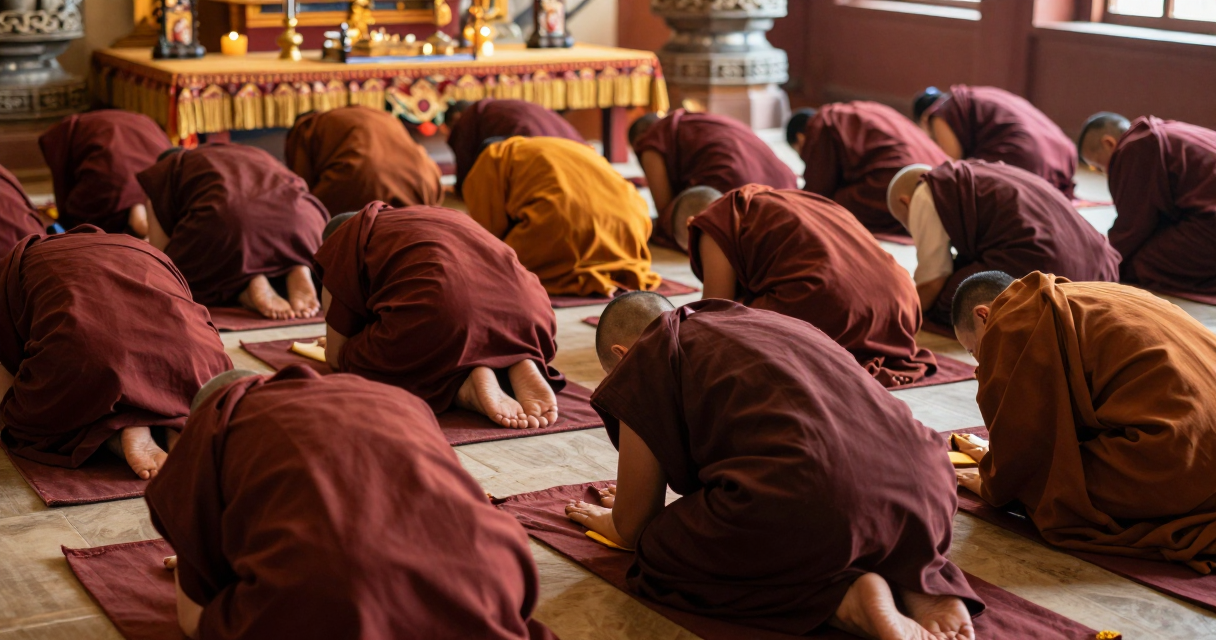
Another practice, the “working meditation,” invites individuals to perform routine tasks with full awareness, treating each action as an expression of respect toward the environment and fellow humans. In a manufacturing plant that introduced working meditation, error rates fell by 22 percent and employee turnover declined noticeably. By framing labor as a mindful offering, the organization cultivated a culture where respect is not an abstract ideal but a lived reality woven into every motion.
Contemporary Applications: From Universities to Urban Neighborhoods
Universities across the United States have begun integrating Zen principles into campus life, recognizing their potential to foster inclusive environments. At a historically Black college, a Zen-inspired workshop series emphasized the value of “non‑attachment to outcomes,” encouraging students to engage with peers without fear of judgment. Survey data indicated that participants felt more comfortable sharing diverse perspectives, a key indicator of mutual respect in academic discourse. These programs illustrate how Zen can complement existing diversity initiatives, providing a spiritual dimension that deepens interpersonal connections.
Urban neighborhoods, too, reap benefits from Zen-informed community building. In a revitalized district of Virginia, a “Walk for Peace” pilgrimage led residents along historic routes, pausing at landmarks that commemorated both triumphs and tragedies. The pilgrimage’s emphasis on shared experience and collective remembrance cultivated a renewed sense of belonging, prompting local leaders to launch joint cultural festivals. Such endeavors demonstrate that Zen’s emphasis on unity and respect can be operationalized in concrete, scalable projects that bridge gaps across socioeconomic lines.

I’ve always been fascinated by how ideas shape societies and how everyday interactions reflect deeper philosophical currents. As an editor, I love curating thoughtful pieces that explore the intersection of community life and philosophical inquiry.