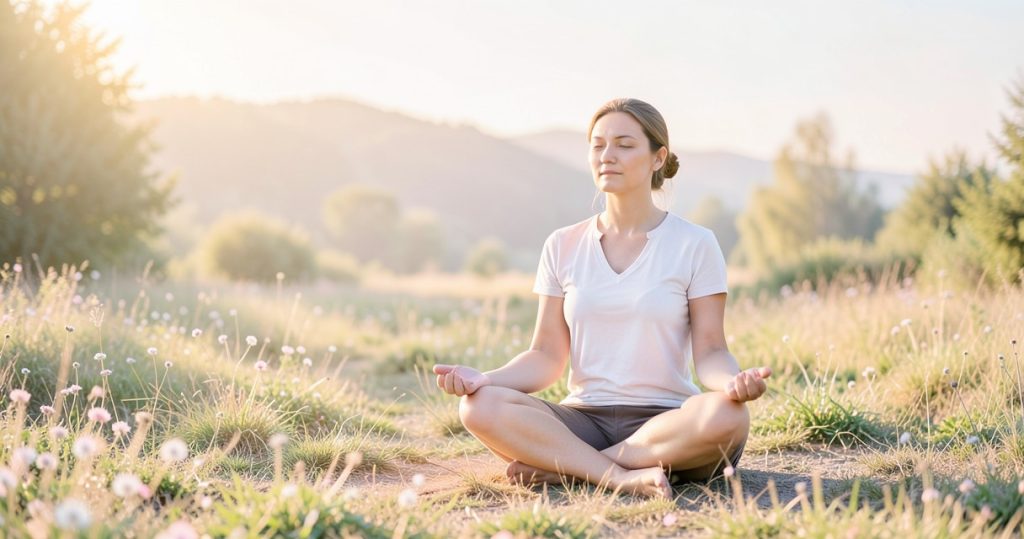
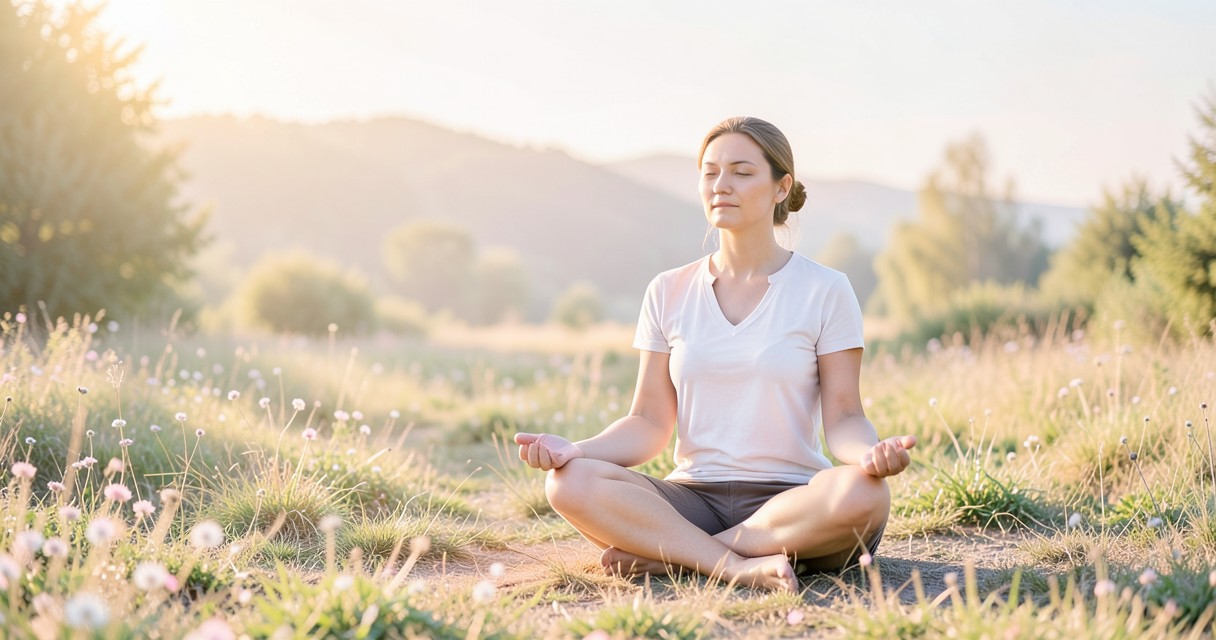
The pursuit of inner peace is often viewed as a personal journey, one that involves introspection, meditation, and self-discovery. However, it is essential to recognize that inner peace does not exist in a vacuum. The social dimensions of inner peace reveal how our relationships, communities, and societal structures significantly influence our ability to achieve and maintain a tranquil state of mind. By examining these social dimensions, we can better understand the interplay between individual serenity and broader social contexts, ultimately fostering a more peaceful society.
The Role of Community in Fostering Inner Peace
Communities serve as the bedrock of our social existence, shaping our identities and experiences. A supportive community can significantly enhance an individual’s quest for inner peace. For instance, community engagement often provides emotional support, a sense of belonging, and shared values that contribute to mental well-being. Research shows that individuals who actively participate in their communities report higher levels of happiness and lower levels of stress and anxiety. This suggests that fostering strong community ties can create an environment conducive to personal tranquility.
Moreover, community initiatives aimed at promoting mental health awareness can lead to collective healing. Programs that encourage dialogue about mental health issues help reduce stigma and create a safe space for individuals to express their struggles. When community members come together to support one another, they cultivate a culture of compassion that not only nurtures individual peace but also strengthens communal bonds, making it easier for everyone to pursue their inner peace.
Social Justice and Inner Peace
social justice plays a pivotal role in the pursuit of inner peace. When individuals or groups face systemic injustices, their ability to attain inner peace is often compromised. The stress of discrimination, inequality, and social exclusion can lead to a profound sense of unrest and anxiety. Therefore, addressing social injustices is not merely a moral obligation but a necessity for fostering a peaceful society. Advocacy for social justice creates a more equitable environment where individuals can thrive without the burdens of oppression.
Furthermore, movements that promote social justice often encourage individuals to engage in self-reflection and collective action, empowering them to take charge of their lives and communities. This empowerment can lead to a greater sense of agency and control, which are essential components of inner peace. By advocating for change and standing up against injustice, individuals contribute to a societal shift towards peace, creating a ripple effect that can inspire others to seek their own paths to tranquility.
The Influence of Cultural Norms on Personal Peace
cultural norms and values significantly shape our perceptions of peace and well-being. Different cultures may emphasize various pathways to inner peace, from communal harmony to individualistic pursuits. Understanding these cultural dimensions is crucial for anyone seeking to cultivate peace within themselves. For example, cultures that prioritize collectivism often encourage practices such as family bonding and community rituals, which can foster a sense of belonging and stability, essential for personal peace.
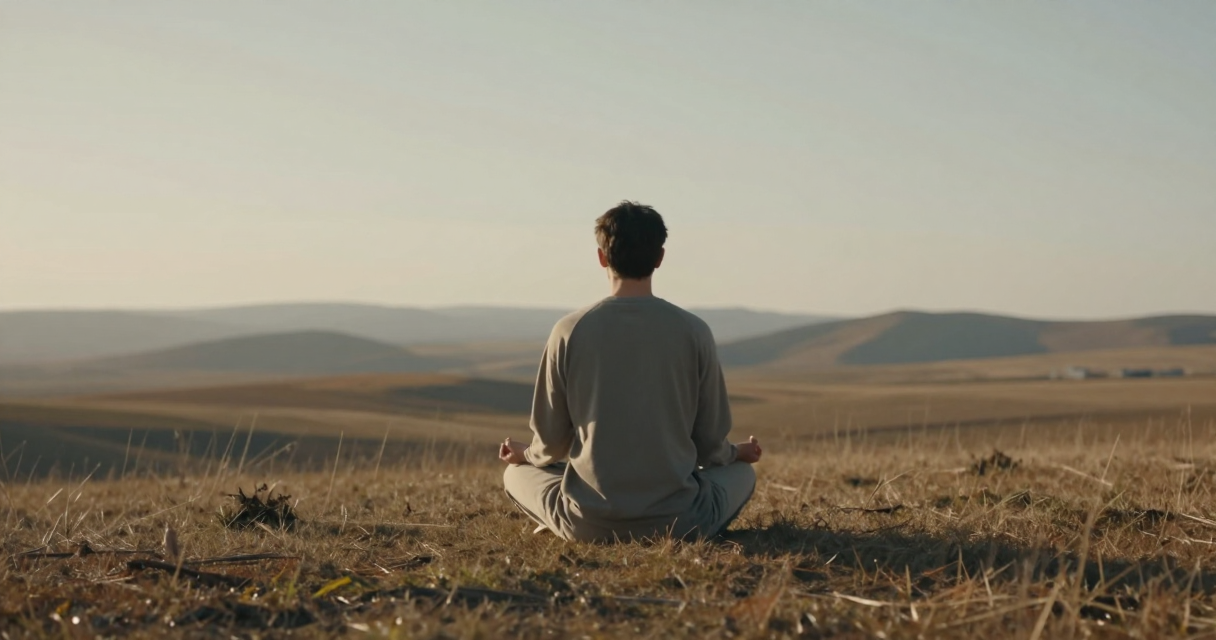
On the other hand, cultures that emphasize individualism may promote self-actualization and personal achievement as pathways to inner peace. This divergence in cultural approaches highlights the importance of recognizing and respecting diverse practices that contribute to a sense of tranquility. By embracing cultural pluralism, individuals can learn from various traditions, integrating different practices into their lives, and enhancing their journey toward inner peace.
The Impact of Urbanization on Inner Peace
Urbanization has transformed the way we live and interact with one another. While cities can offer opportunities for connection and growth, they can also contribute to feelings of isolation and stress. The fast-paced nature of urban life often leads to an overwhelming sense of disconnection from oneself and others, making it challenging to cultivate inner peace. Noise, pollution, and the hustle of city life can create a chaotic environment that hampers tranquility.
However, urban settings also present unique opportunities for fostering inner peace. Community gardens, mindfulness spaces, and local wellness initiatives can serve as sanctuaries within the urban landscape. These spaces encourage individuals to engage with nature, practice mindfulness, and build connections with others, thus promoting a sense of peace amidst the urban chaos. By prioritizing mental well-being in urban planning, cities can become nurturing environments that support the pursuit of inner peace.
The Role of Education in Promoting Inner Peace
Education plays a critical role in shaping attitudes towards mental health and inner peace. Schools that incorporate social-emotional learning (SEL) into their curricula equip students with the tools to manage their emotions, build relationships, and make responsible decisions. By fostering emotional intelligence from a young age, educational institutions can significantly contribute to the development of a peaceful mindset in future generations.
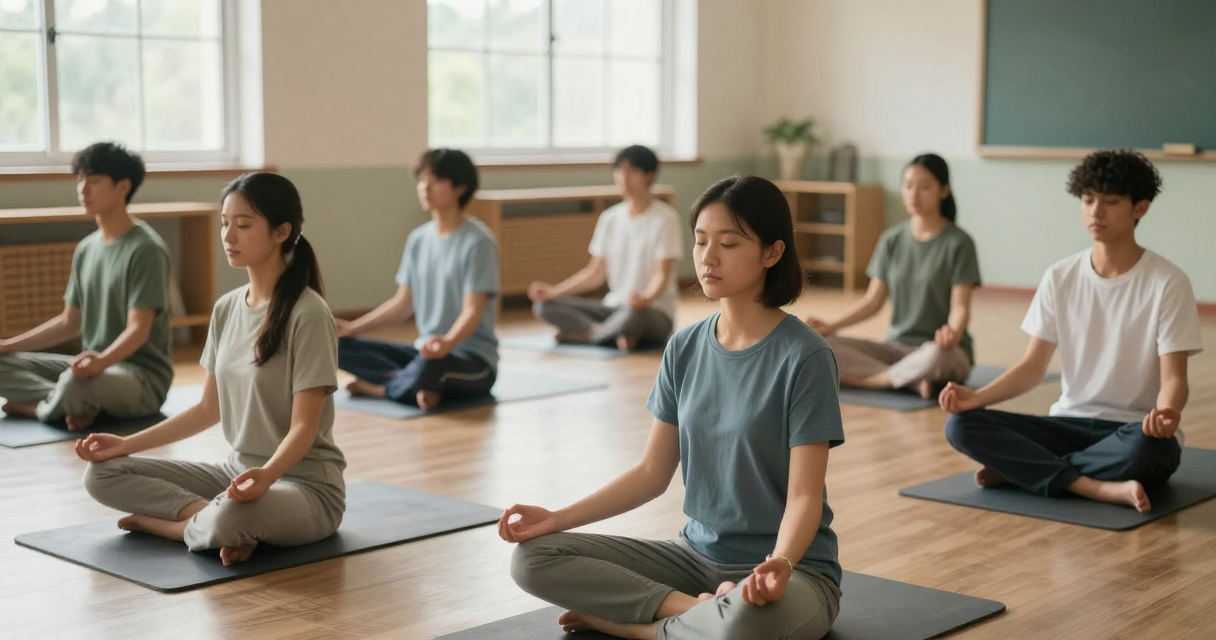
Moreover, educational programs that promote mindfulness and stress reduction techniques can empower students to navigate the complexities of life with greater ease. When young people learn to prioritize their mental well-being, they are better equipped to contribute positively to their communities. This ripple effect highlights the importance of integrating peace-oriented practices within educational systems, ultimately leading to a more peaceful society.
The Importance of Dialogue and Communication
Open dialogue and effective communication are fundamental in addressing conflicts and misunderstandings that may hinder inner peace. In both personal relationships and community interactions, the ability to express thoughts and feelings constructively can lead to resolutions and foster understanding. Engaging in conversations about mental health and well-being can break down barriers and encourage individuals to seek help when needed.
Furthermore, community forums and discussions centered on peace-building can provide platforms for sharing experiences and insights. These dialogues not only promote individual healing but also build collective resilience against societal pressures. By creating spaces for open communication, communities can cultivate an atmosphere of trust and support, which is essential for nurturing inner peace among their members.

I’ve always been fascinated by how ideas shape societies and how everyday interactions reflect deeper philosophical currents. As an editor, I love curating thoughtful pieces that explore the intersection of community life and philosophical inquiry.